

—
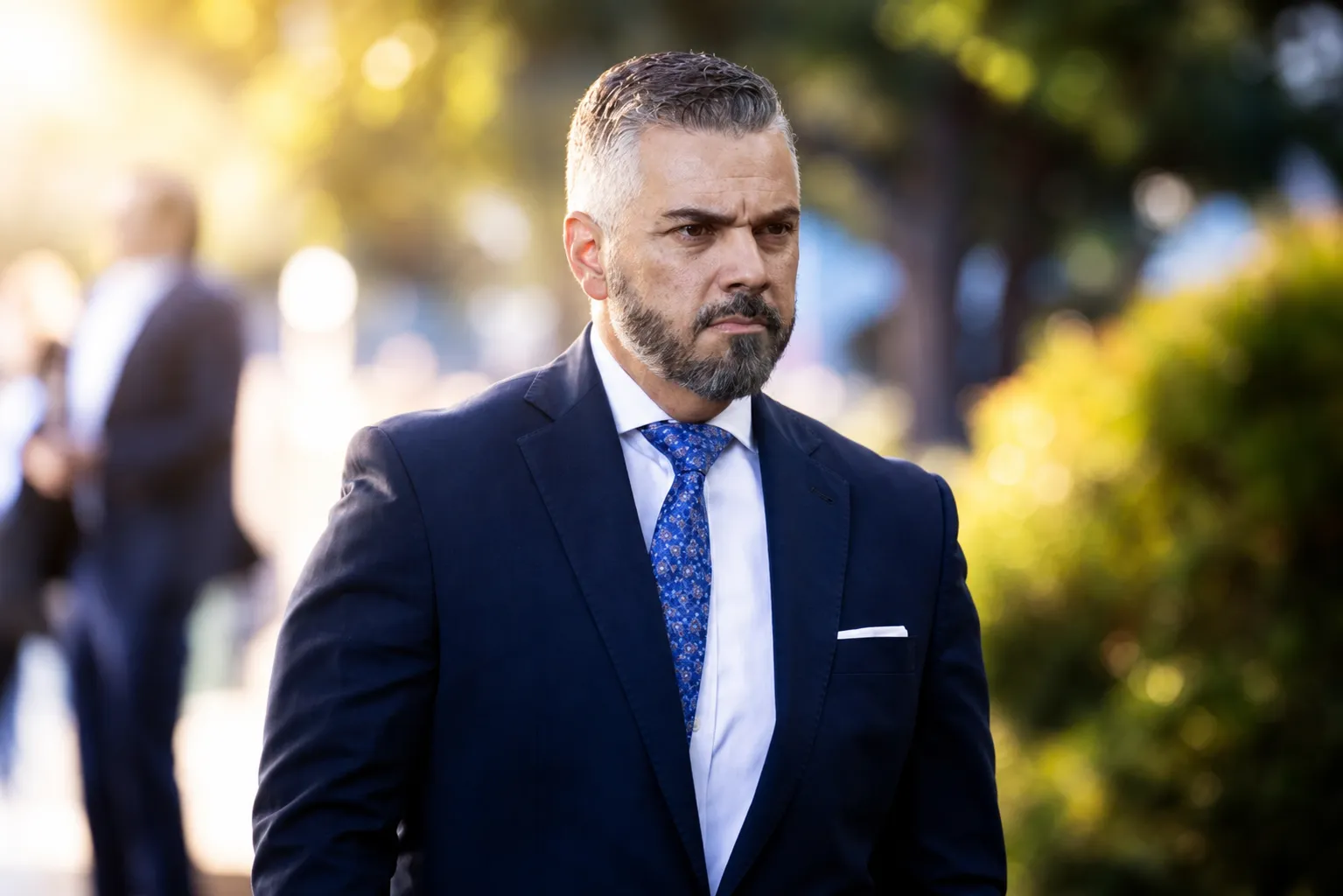
Amish Shah, a physician and former state legislator, has won the Democratic primary for Arizona’s 1st Congressional District, delivering a notable setback to the national Democratic Party establishment that backed his rival candidate.
Shah’s victory over Marlene Galán-Woods marks another instance in which Democratic voters have rejected the preference of party leadership. The Democratic Congressional Campaign Committee, the official House Democratic campaign organization, had endorsed and invested heavily in Galán-Woods, a former broadcast journalist, despite Shah’s strong performance as the party’s nominee in the same district just two years earlier.
The race for Arizona’s 1st Congressional District has become one of the most closely watched House contests in the nation. The seat covers an affluent area including Scottsdale, northeast Phoenix, Fountain Hills and Paradise Valley. Though Republicans hold a voter registration advantage in the district, it has shifted toward the center over the past decade. President Trump won it narrowly in 2024, while former President Biden won it in 2020, making it a critical battleground for control of the House.
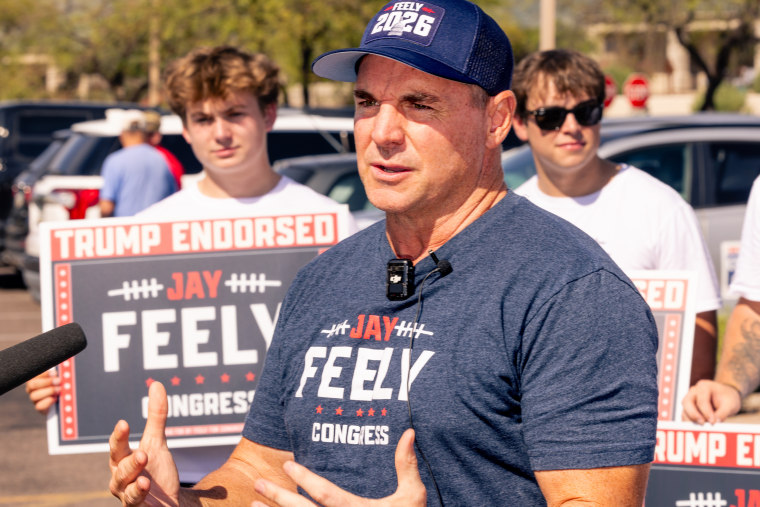
Shah will face Republican Jay Feely, a former NFL kicker who was endorsed by President Trump in his primary. Before becoming political opponents, Feely and Shah had an unlikely connection: they overlapped during the 2008 and 2009 seasons with the New York Jets, with Shah working sideline games as an airway management physician and Feely serving as the team’s kicker.
The decision by the DCCC to support Galán-Woods surprised many local Democrats, particularly because both candidates positioned themselves as moderates on the party’s ideological spectrum. Analysts noted that there was little ideological distinction between them, meaning this was not a proxy battle between progressives and centrists but rather a case of establishment leaders attempting to influence a primary based on their assessment of electability.
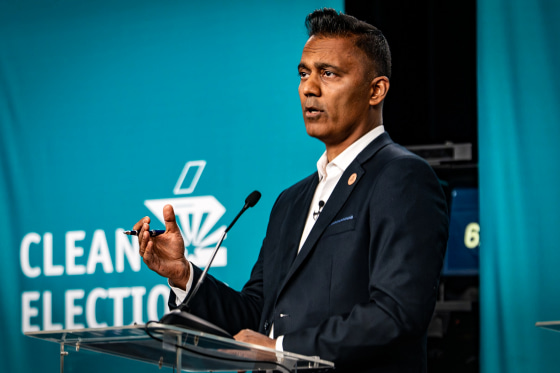
Shah’s victory came after he secured support from prominent Arizona Democrats, though not the national party. He won endorsements from former Arizona House minority leaders Lupe Contreras and Andrés Cano, as well as former Republican House Speaker Rusty Bowers. Two of his main opponents in the crowded Democratic field conceded on Wednesday, with one of them being Andrei Cherny, a former state Democratic Party chairman who lost to Shah by roughly 1,600 votes.
Shah narrowly beat Galán-Woods in the 2024 Democratic primary before losing to Republican incumbent David Schweikert in the general election by approximately 4 percentage points. Galán-Woods finished third in that primary. This year, with Schweikert giving up the seat to run for governor, the district is open, providing Democrats with what many considered their best opportunity to flip the seat.
The DCCC’s involvement in the primary drew significant criticism from progressive Democrats. The committee made a $200,000 joint ad buy with Galán-Woods and added her to its “Red to Blue” program, which highlights Democratic candidates in the most competitive pickup opportunities. This marked one of the largest primary investments the organization has made during the 2026 cycle, drawing complaints that the national party was inappropriately meddling in a local contest.
The defeat represents the latest in a series of setbacks for the DCCC’s aggressive primary endorsement strategy. Earlier in the election cycle, Democratic voters in Maine’s 2nd District and California’s 22nd District rejected the group’s preferred candidates, suggesting a growing unwillingness among party members to defer to Washington-based leadership on nominee selection.
Shah’s campaign leaned heavily on his legislative record, arguing he had pushed back against Republicans and the Trump administration during his time in the Arizona House of Representatives. He emphasized his work as an emergency room physician, making healthcare and abortion access central to his message. When the DCCC endorsed his opponent, Shah criticized the decision as an example of “dark money groups” attempting to manipulate voters with “deliberate disinformation,” and he accused the party establishment of putting “their thumb on the scale.”
“I wasn’t exactly my party’s pick,” Shah told supporters Tuesday night. “And I was willing to stand up to that establishment. And that’s what the voters of this district want.”
Feely defeated Joseph Chaplik, a former state lawmaker popular with grassroots activists, for the Republican nomination. He served in the NFL with seven teams over 14 seasons, including a stint with the Arizona Cardinals from 2010 to 2013, and later became an NFL broadcaster.
The general election campaign promises to be fiercely competitive. Democrats view Arizona’s 1st District as one of their best opportunities to gain a seat in their effort to retake control of the House. However, Shah will need substantial support from the party and its donors to overcome what promises to be a challenging race in a district that Trump carried narrowly in 2024.