

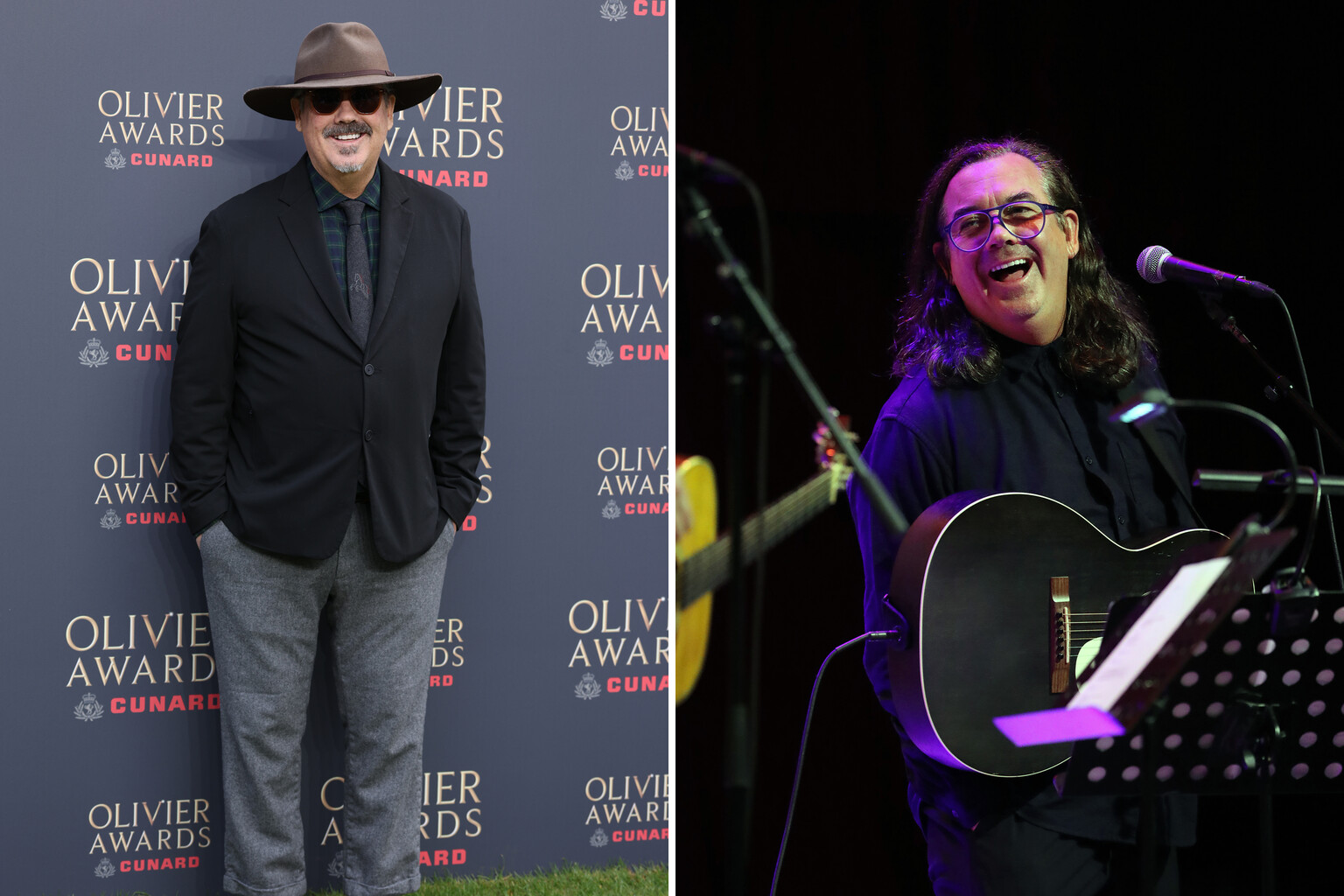
Duncan Sheik, the Grammy-nominated singer-songwriter behind the 1996 hit “Barely Breathing” and the Tony-winning composer of “Spring Awakening,” died Friday at age 56 following a cardiac arrest.
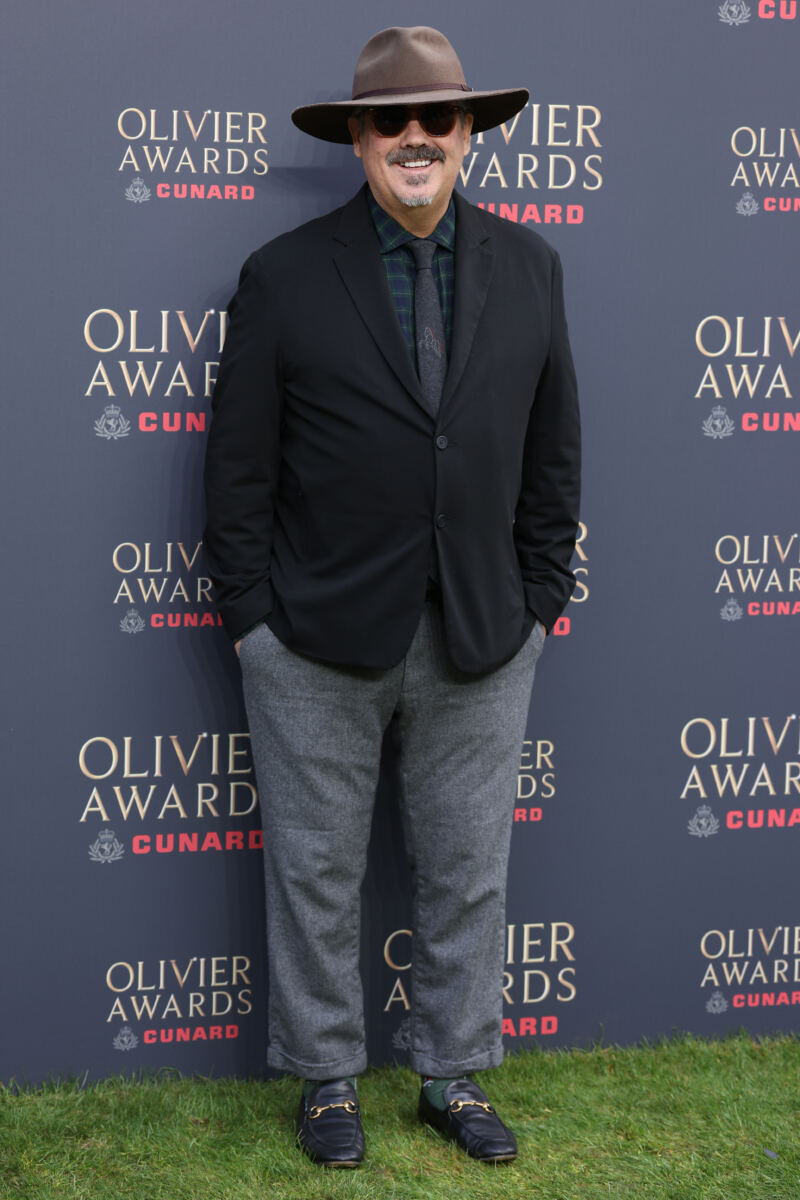
The musician, 56, had appeared visibly in good spirits at the Olivier Awards in London on April 12, where he walked the red carpet in a gray jacket with a coordinating tie, black shoes, and a gray wide-brimmed hat. Photographers captured him with his hands in his pockets, smiling for cameras in what would become his final public appearance.
Sheik’s social media presence in his last days offered little indication of what was to come. His final Instagram post, shared one week before his death, featured a black-and-white photo showing him wearing black glasses, a golf cap, and a jean jacket. He offered no caption with the image.
A day earlier, he had posted a serene photograph of what appeared to be a city view from a hotel room window. He paired that image with a lyrical caption that read:
“The sun it is leaving At the end of the evening In an airless room, some might assume.”
Those words now carry added weight for fans and followers who have returned to his posts in the wake of his sudden passing.
Sheik first broke through to mainstream success in 1996 with “Barely Breathing,” a single that spent a record-breaking 55 weeks on the Billboard Hot 100 and earned him a Grammy nomination for Best Male Pop Vocal Performance. The track established him as a distinctive voice in the alternative pop landscape of the mid-1990s.
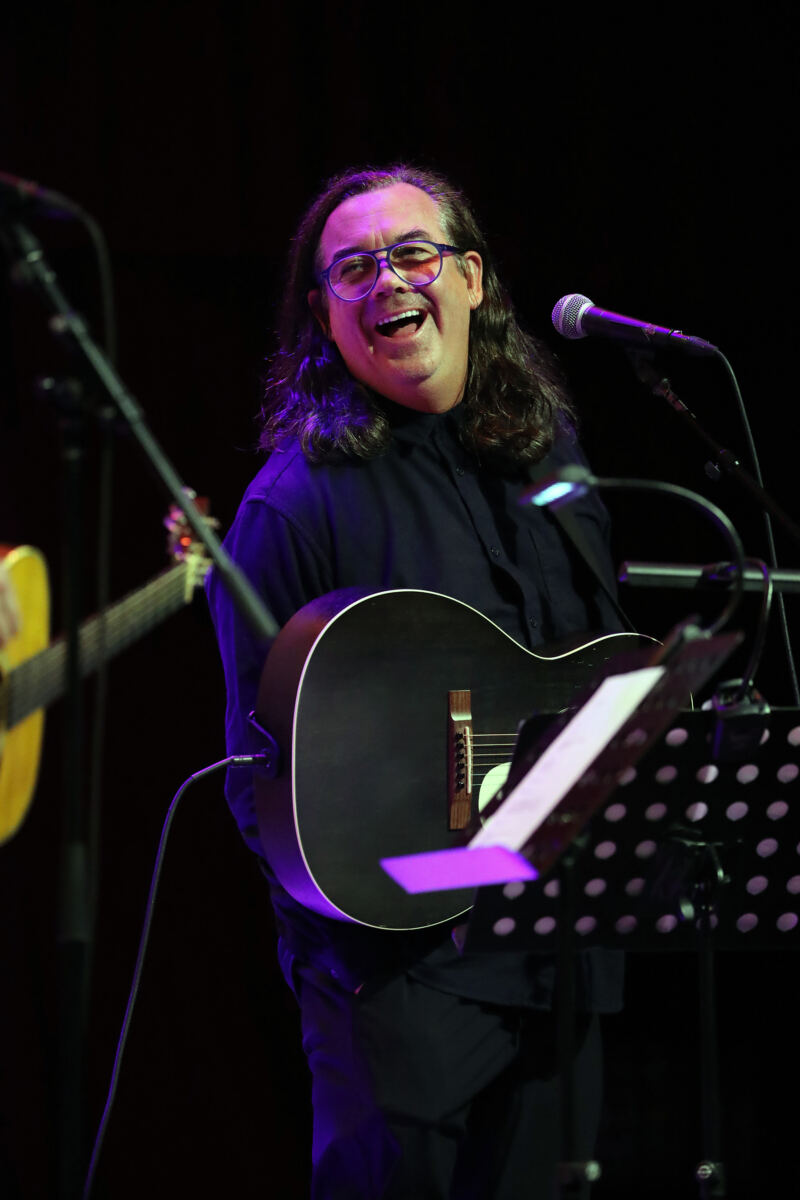
His career trajectory took a significant turn toward theater in the early 2000s when he began collaborating with lyricist Steven Sater on what would become “Spring Awakening.” The rock musical, based on Frank Wedekind’s 1891 German play, opened on Broadway in 2006 and became a cultural phenomenon. Sheik’s score won him two Tony Awards, for Best Original Score and Best Orchestrations, and the cast album took home a Grammy.
The success of “Spring Awakening” opened a sustained second act in theater for Sheik. He continued composing for the stage, including the musical adaptation of “American Psycho” that premiered in London in 2013 and later reached Broadway. His body of work bridged the worlds of singer-songwriter intimacy and theatrical spectacle in ways that influenced subsequent generations of musical theater composers.
Born in Montclair, New Jersey, Sheik spent portions of his childhood in both South Carolina and Indonesia, experiences that shaped his eclectic musical sensibilities. He released multiple solo albums throughout his career, maintaining his presence as a recording artist even as his theatrical work expanded.
News of his death prompted an outpouring of tributes from collaborators and admirers across both the music and theater industries. Many noted the particular poignancy of losing an artist who had seemed active and engaged so recently, with his Olivier Awards appearance and regular social media updates suggesting continued creative momentum.
Sheik’s death at 56 places him among several notable entertainment figures lost in 2026, a year that has already seen the passing of multiple actors, singers, and performers across various genres and generations.
The circumstances of his final days, marked by public appearances and poetic social media reflections, have left fans parsing the meaning of his last posts. The image without caption and the sunset verse with its closing phrase “some might assume” now read differently in retrospect than they likely were intended at the time.
Sheik is survived by his wife, Nora Ariffin, and his family, who have not issued public statements as of this report.