

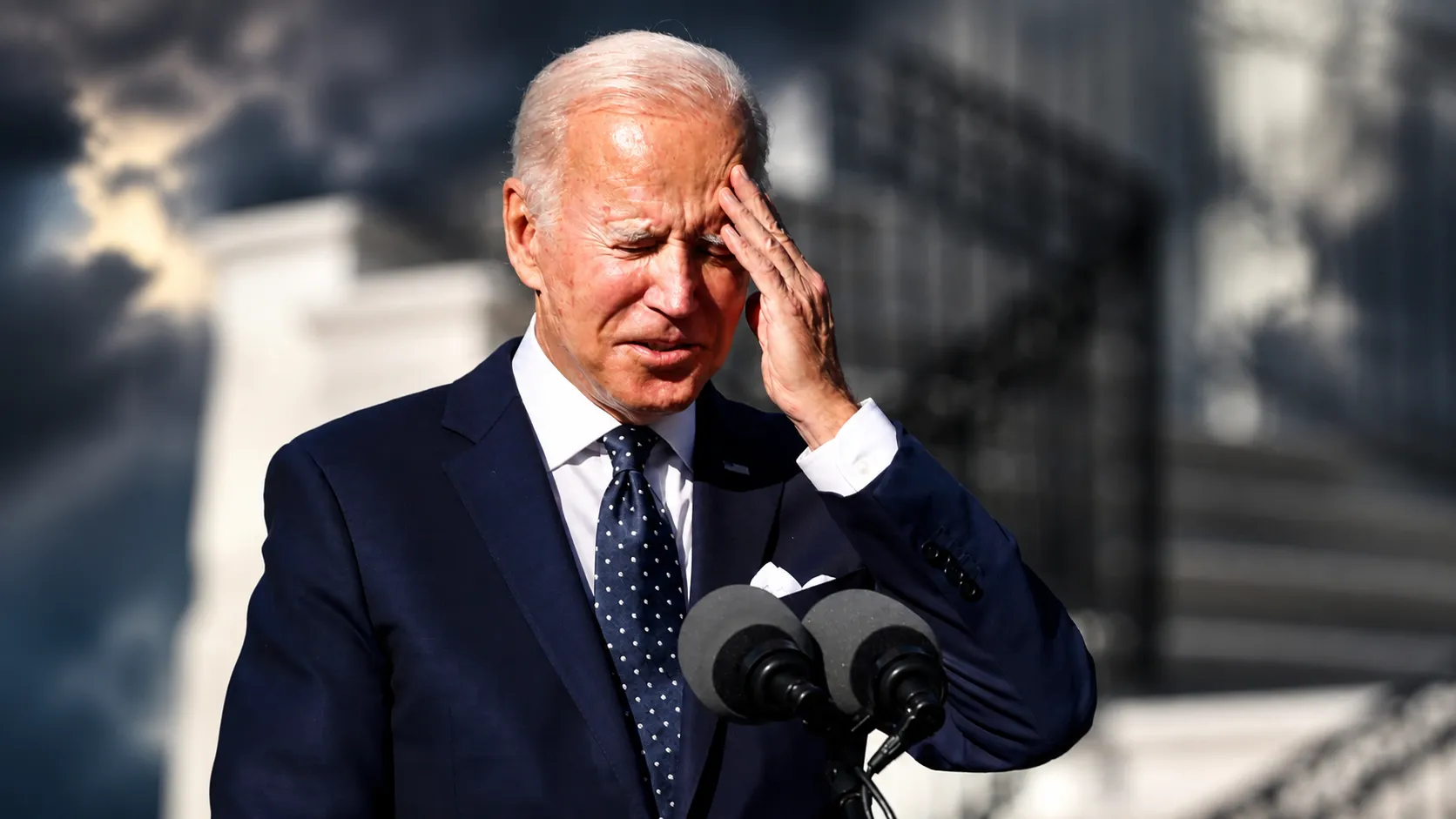
Roughly 70 hours of audio recordings from former President Joe Biden’s interviews with his memoir ghostwriter have been released to the public after a two-year legal battle, bringing renewed scrutiny to the classified documents investigation that concluded without criminal charges against the former president.
The recordings capture conversations between Biden and ghostwriter Mark Zwonitzer as they prepared Biden’s 2017 memoir, “Promise Me, Dad.” During these sessions, Biden is heard discussing classified materials from his time as vice president, making statements such as “Some of this may be classified” and “The next thing I have here is, um, this is classified.” In one notable recording from February 2017, a month after he left office, Biden said: “I just found all the classified stuff downstairs.” He also told Zwonitzer that he possessed extensive notes from his vice presidency that “the White House didn’t know I have this.”
The tapes were obtained during Special Counsel Robert Hur’s investigation into Biden’s handling of classified documents from his time as vice president and as a U.S. Senator from Delaware. Hur’s February 2024 report stated that Biden read classified notes from national security meetings to Zwonitzer nearly verbatim on at least three occasions, sometimes for an hour or more at a time. However, Hur declined to pursue criminal charges because he concluded prosecutors could not prove beyond a reasonable doubt that Biden willfully retained or disclosed the material.
The release came after the conservative Heritage Foundation and its affiliated Oversight Project fought for over two years to obtain the materials through Freedom of Information Act requests. When the Biden administration’s Justice Department failed to release them, the groups sued in federal court. A federal judge determined that the public had a strong interest in evaluating the basis for Hur’s decision not to charge Biden, and that this interest outweighed Biden’s privacy concerns.
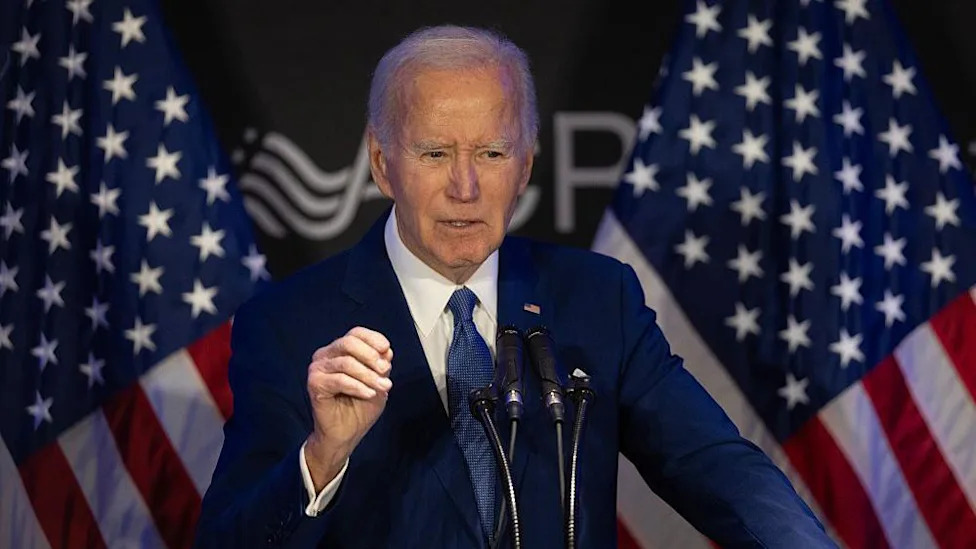
Biden’s legal team initially fought the release vigorously, but after a series of adverse court rulings, including a July 20 decision from the U.S. Court of Appeals for the District of Columbia Circuit, Biden’s attorneys abandoned their lawsuit. The appellate court determined that Biden had not shown a likelihood that the materials must be withheld from disclosure. Biden’s lawyers filed a notice of voluntary dismissal, effectively ending the legal battle.
The recordings also revealed Biden struggling with memory during the 2017 sessions. Hur’s report characterized Biden’s memory as “significantly limited” during both his 2017 interviews with Zwonitzer and his subsequent 2023 interviews with federal prosecutors. The special counsel described Biden’s recorded conversations with Zwonitzer as “painfully slow,” with Biden “struggling to remember events and straining at times to read and relay his own notebook entries.”
In one recorded moment, Biden appears to lose his train of thought entirely, saying: “All right — what was I going to ask you? Something else. Uh… um. Oh gosh. I can’t think of anything else.” In another instance from April 2017, Biden could not remember the name of one of his economic advisors and remarked that he should write names down because he kept forgetting them.
No classified information appeared in the published memoir. Hur’s investigation found that although Biden willfully retained and disclosed classified materials, the evidence did not establish guilt beyond a reasonable doubt. Hur also cited Biden’s age and the likelihood that a jury would view him as a “sympathetic, well-meaning, elderly man with a poor memory” as a factor in declining to pursue charges. This reasoning drew criticism from Democrats and prosecutors who called it unnecessary and inappropriate.
The ghostwriter, Mark Zwonitzer, deleted digital records after Hur was appointed to investigate Biden’s handling of classified materials. Zwonitzer told investigators he deleted the recordings out of fear of being hacked, though the timing prompted scrutiny. However, Hur’s investigation did not uncover evidence that Zwonitzer had been in contact with anyone about his decision to delete the recordings.
Upon the release of the tapes, Biden’s spokesman stated that releasing them “is just the latest example of this Administration weaponizing the DOJ for political retribution,” while emphasizing that Biden respects the courts and the judiciary. Conservative critics, however, celebrated the tapes’ release as finally providing transparency about the basis for Hur’s decision not to prosecute.
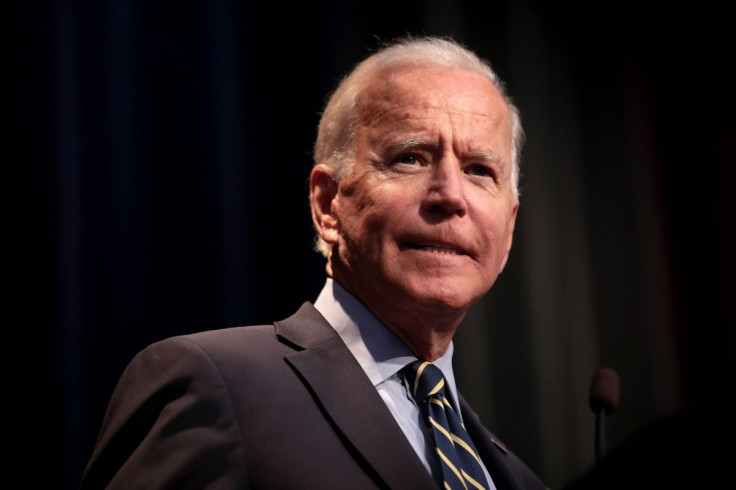
The Heritage Foundation sought the release of the materials specifically to review the recordings and transcripts on which Hur based his decision. House Republicans on the Judiciary Committee also demanded the recordings as part of broader oversight efforts examining Biden’s handling of classified documents. The appeal’s court decision determined that the materials were relevant to public evaluation of the special counsel’s decision-making in a matter of significant national importance.
The timing of the release came after President Trump took office, with the Trump Justice Department indicating its willingness to disclose the materials. When the Biden administration held the tapes, the department cited national security and privacy exemptions under the Freedom of Information Act. The transformation in approach following the change in administrations became a focal point in discussions about the release.