

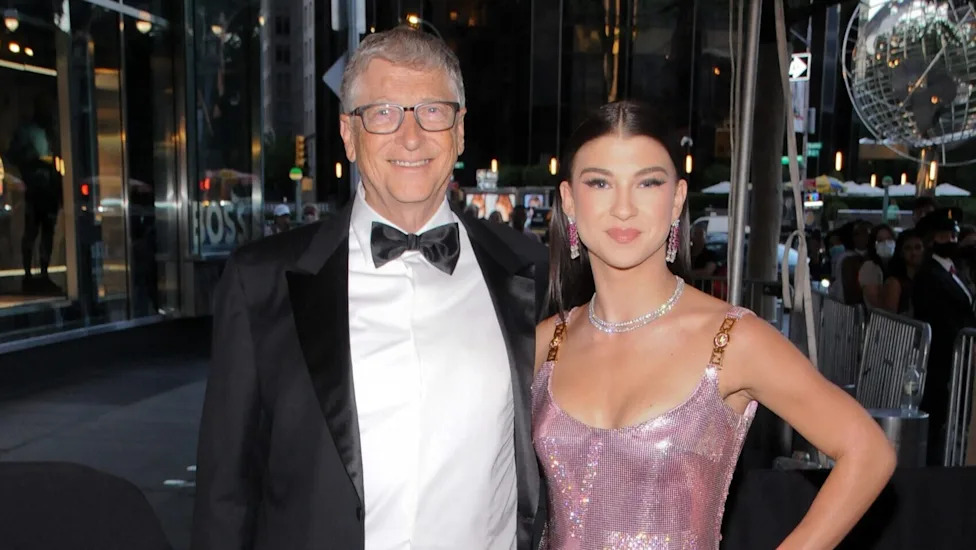
Phoebe Gates, 23-year-old daughter of billionaire Bill Gates, is facing serious legal exposure after her shopping startup Phia has been accused of “cookie stuffing”—a deceptive affiliate marketing practice that can constitute federal wire fraud carrying a maximum penalty of 20 years in prison.
The allegations emerged from a Bloomberg investigation that found Phia’s browser extension was dropping web tracking cookies onto users’ devices to claim unearned commissions on retail sales. What started as claims of a quick software bug in July has now escalated into accusations that Gates and co-founder Sophia Kianni deliberately enabled the fraudulent practice for at least seven months—and possibly longer.
Phia operates as a digital shopping assistant that helps users find discount codes and compare prices across thousands of retailers. When users make purchases through the extension, the company earns affiliate commissions from retailers. Legitimate cookie placement tracks only sales the extension actually helped drive. But according to the new evidence, Phia’s system was placing cookies even when users never interacted with the tool, allowing the startup to claim credit—and payment—for sales it had nothing to do with.
The scope of the fraud appears substantial. According to Bloomberg’s reporting, cookie stuffing accounted for approximately 51 percent of the merchandise value that Phia claimed credit for in June alone. When the startup disabled the deceptive features on July 7, daily revenue plummeted from around $80,000 to between $10,000 and $28,000, suggesting the practice had become fundamental to the company’s finances.
Perhaps more damaging than the financial impact are internal communications obtained by Bloomberg showing that Gates herself actively directed the fraudulent conduct. In one December Slack message, Gates wrote to developers: “worried this is an issue across the board…can u confirm auto pop for cookie drop is live on ALL sites w a coupon to confirm we are monetizing on all gmv.” This exchange directly contradicted the company’s later claim that they had only discovered the problem “within the last 24 hours” when Bloomberg reached out.
In another incident, co-founder Kianni suggested implementing a feature that would drop cookies whenever users tried to close a Phia pop-up window. A colleague flagged that Google Chrome prohibits extensions from dropping cookies on such “dismiss events,” and Kianni reportedly responded: “I guess we could say that the user is trying to open us and roll it back if they complain.” Phia’s statement to Bloomberg claimed this feature was never actually implemented.
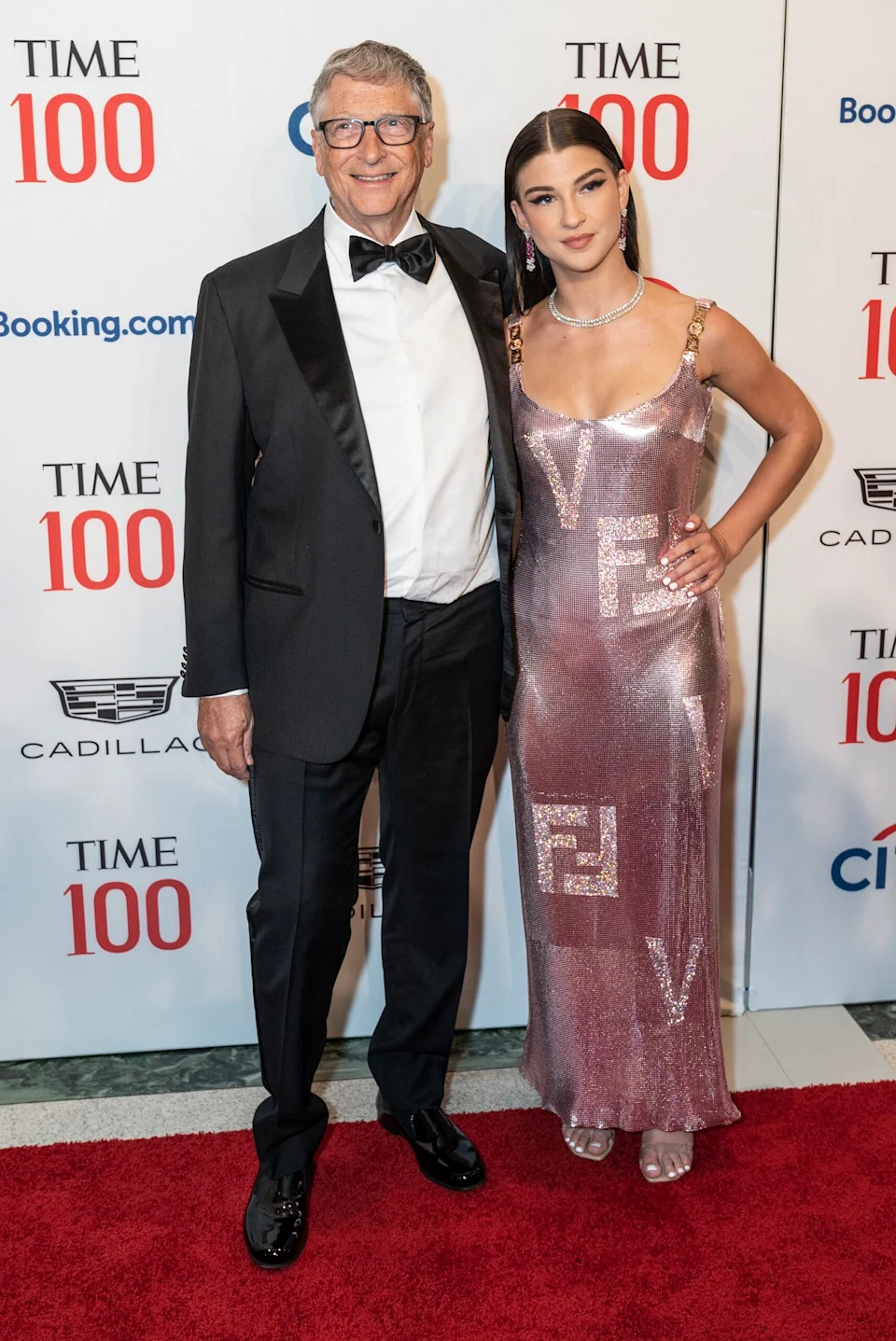
The legal ramifications could be severe. Attorney Ariel Givner, founder of Givner Law, pointed out that cookie stuffing is “typically treated as federal wire fraud in US courts,” noting that “there’s a possibility of a max penalty of up to 20 years prison + fines/restitution.” The practice is prosecuted under 18 U.S.C. § 1343, the federal wire fraud statute.
The case carries echoes of a major previous prosecution. In 2010, eBay worked directly with the FBI on a “cookie stuffing” investigation code-named “Operation Trip Wire” targeting Shawn Hogan, one of eBay’s top affiliates. Hogan ultimately pleaded guilty to wire fraud charges in 2013 and received five months in federal prison plus a $25,000 fine, despite the FBI alleging he had defrauded the company of $28 million. Another prominent affiliate marketer, Brian Dunning, received a 15-month prison sentence in a similar case.
The practical damage to Phia extends beyond criminal exposure. Impact.com, a major affiliate network the company worked with, suspended Phia’s account and reallocated commissions it had reserved for the startup. The startup will need to issue refunds covering the entire period from December through July—a far longer timeline than initially acknowledged. Research firm Ben Edelman and competitor Capital One Shopping both independently verified that Phia was indeed claiming false credits.
Gates co-founded Phia in 2025 with Stanford roommate Sophia Kianni after the two had brainstormed several startup ideas together. The company raised $43.5 million from venture capital firms including Kleiner Perkins and Khosla Ventures, along with high-profile celebrity investors including Hailey Bieber, Kris Jenner, Khloé Kardashian, Sara Blakely, Sheryl Sandberg, and others. The company’s valuation reached $185 million, and it attracted over one million downloads.

Before the allegations emerged, Gates had been vocal about building Phia on her own merits. She has spoken about wanting to prove herself without relying on her father’s wealth and privilege, saying she has “such a desire to prove myself” and wants the company to succeed with “no ties to my privilege or my last name.” Bill Gates himself did not invest in the company.
In its response to the new allegations, Phia maintained that the problematic features were removed immediately when discovered. “Any features causing misattributions were immediately removed over a month ago on July 7,” the company stated. “We are reviewing every transaction, we are fully committed to and have already begun issuing all transaction reversals to brand partners as a result of any misattribution, and we are hiring a head of compliance to make sure something like this never happens again.” The statement did not directly address Bloomberg’s evidence that the founders had known about the practice for months.
While Gates has not been charged with any crime, and no formal legal action has been announced, the evidence obtained by Bloomberg suggests potential exposure to serious federal criminal charges. Whether prosecutors will pursue the case remains to be seen. For now, Phia faces a critical test of whether it can survive the reputational damage and whether Gates can rehabilitate her entrepreneurial reputation after her ambitious pledge to build something meaningful independent of her family’s wealth.