

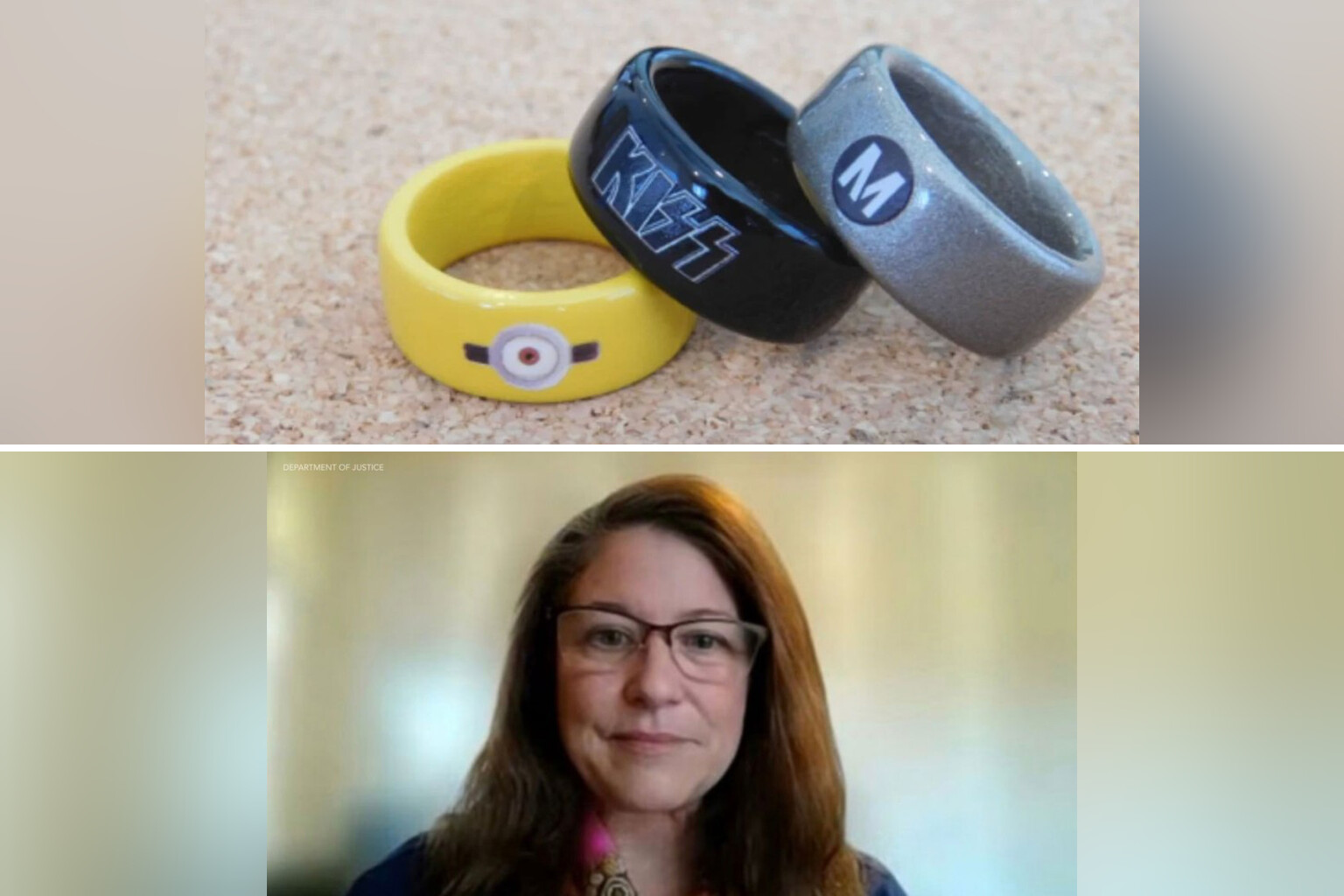
Michelle Bisnoff now faces decades behind bars after a federal jury convicted the California tech CEO on multiple fraud, money laundering, and identity theft charges.
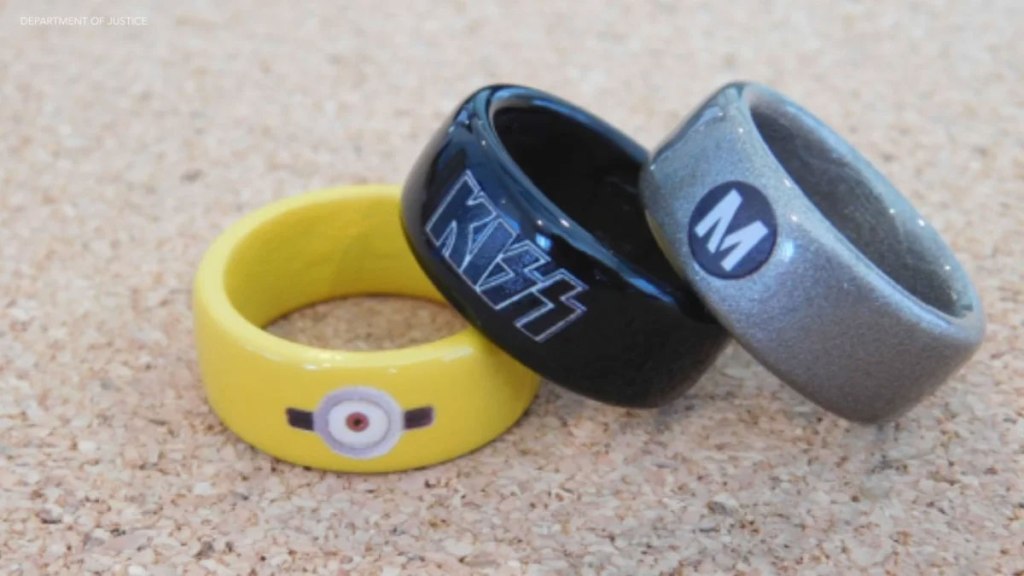
Bisnoff, who ran Esos Rings Inc., was found guilty Friday following a seven-day trial that laid bare a years-long scheme built on stolen technology, phantom retail deals, and fabricated celebrity investors. The U.S. Attorney’s Office said she started the operation back in 2017, landing a contract with UK-based McLear Ltd. To develop its U.S. Market—then turning around and claiming McLear’s patented near-field communication payment rings were her own invention.
She leveraged that lie to pull in nearly $2 million from backers, authorities said. Bisnoff told investors their money would fuel manufacturing and inventory to satisfy orders from major chains. The reality was starkly different: Esos had no deal with Target, had generated minimal revenue, and moved exactly six rings through Walmart—three of which customers sent back.

The name-dropping didn’t stop at big-box retailers. Bisnoff falsely claimed Apple Inc. And Roc Nation were pouring money into her company. Esos had zero relationship with either.
When returns failed to materialize, one investor at trial described her explanations as “dog-ate-my-homework” excuses.
Desperate to cover her tracks, Bisnoff tried to embezzle roughly $550,000 from an employer to repay investors. The checks bounced. The total damage landed at nearly $2 million in fraud, with direct losses around $1.4 million.
The COVID-19 pandemic opened another revenue stream. In March 2020, Bisnoff illegally applied for an Economic Injury Disaster Loan, securing $150,000 in federal relief. She promptly steered portions toward personal expenses, including a $15,600 monthly lease on a Pacific Palisades house.
Regulators had already moved against her by 2023. The SEC sued Bisnoff and Esos that year for the $1.95 million investor ripoff. A court ordered more than $836,000 repaid within 20 days. Court records show neither she nor the company has paid back anything.
U.S. District Judge Mónica Ramírez Almadani set sentencing for Jan. 21, 2027. The counts stack up severely: each securities fraud and wire fraud conviction carries a 20-year statutory maximum, each money laundering charge adds up to 10 years, and the aggravated identity theft counts bring mandatory two-year sentences that must run consecutively to any other prison term.