

Jeremy Wade has warned that shifting river patterns driven by climate change are threatening global food supplies.
The British biologist and television presenter, 69, tied the changing behavior of rivers directly to crop failures and rising food costs during a recent appearance on the outlet’s Honesty Box. Wade, who spent years tracking freshwater predators for River Monsters, said the hydrological cycle is transforming in ways that farmers and fishermen can no longer rely upon.
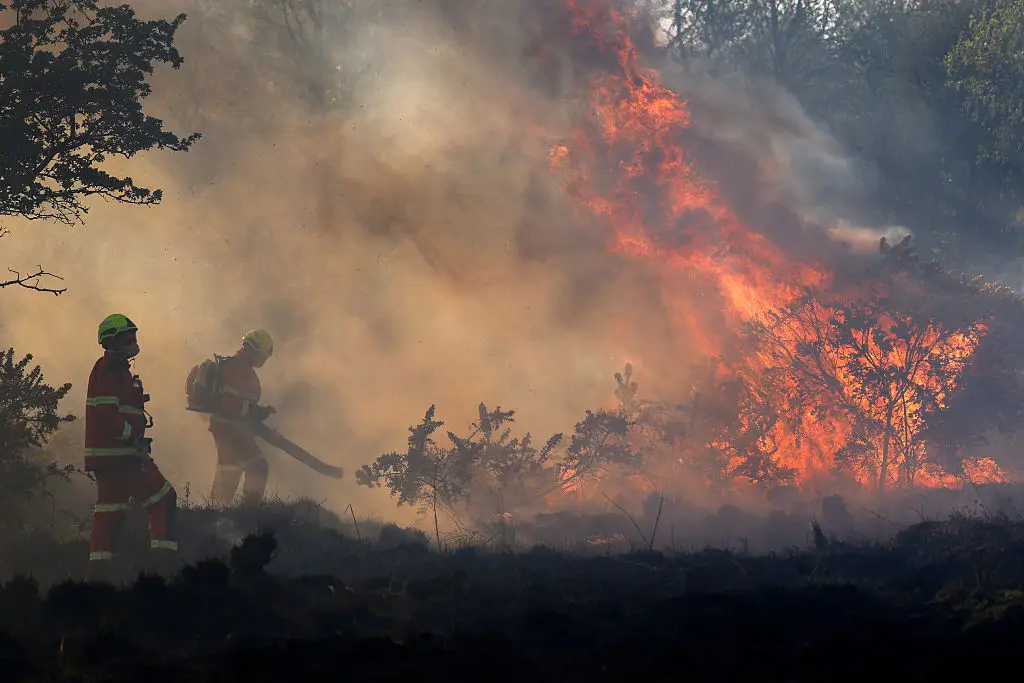
“What we’re tending to get is long periods of dry and then sudden downpours on baked earth,” he explained. “So the whole hydrological cycle is changing. So this has been very apparent in the tropics for a number of years, but, you know, we’re noticing it now.”
Wade said the “actual predictability of the high and low water, it’s changing” and “a lot of this is to do with changing rainfall patterns.” Rivers that once followed reliable seasonal rhythms in tropical regions are now behaving erratically, with consequences that extend far beyond remote watersheds.
The angler detailed how farmers’ crops are “either shrivelling” during extended droughts or “getting ruined by floods” when heavy rains finally arrive. That dual threat means food becomes “less available, more expensive” and harder for ordinary people to access.
Wade’s observations draw on decades spent studying river ecosystems across the tropics. In the Amazon, he noted, water levels can surge roughly 15 meters — about 45 to 50 feet — during flood seasons, inundating “huge areas of forest” and dispersing fish populations. That natural variation has long shaped how indigenous fishermen and anglers alike time their work.
“When you are fishing, you are normally looking for a very particular stage of the water. And often in the tropics, you want low water because, you know, the fish are going to be concentrated,” he said.
Local fishermen have historically watched these patterns and “pick the right time” to secure their catch. Wade emphasized that this practice extends well beyond recreational anglers.
“And this is not just anglers like me, but local, you know, indigenous fishermen, they watch the river,” he added.
While seasonal variation has always existed, Wade stressed that climate change is pushing rivers past their “predictable up to a point” threshold. The early warning signs, he suggested, went largely unheeded.
“We weren’t paying enough attention when the early signs were happening, and we are starting to pay attention to this now, not just how we might prevent it, but how we might mitigate it,” he warned.
Wade’s career has taken him through encounters with electric eels, 80-pound arapaima, and even a lightning strike during filming. During the same Honesty Box episode, he also named what he considers the most dangerous freshwater animal: the hippopotamus.
“I would say hippo,” he said. “It’s vegetarian. And the dangerous thing about hippos is that they can just be sitting there under the water, and, without intending to, you can invade their personal space.”
He continued: “So if you paddle on top of them, they’re going to sort of rear up out of the water, tip your canoe over and bite you in half. They’ve got very big teeth. Slight artistic licence. They’re not going to bite you in half. But they’ve got teeth about that long. And there’s a very good chance you won’t survive.”
Wade has built his public profile on close encounters with formidable aquatic creatures, but his climate commentary marks a shift toward broader environmental advocacy. The biologist framed river behavior as an underappreciated lens through which to understand climate risk — one that connects distant ecosystems to everyday meals.
The tropics’ wet and dry seasons have historically created the rhythmic conditions that Wade described as optimal for both fishing and agriculture. Rivers that rise and fall on schedule allow farmers to plant and harvest with reasonable confidence, while fishermen can anticipate when fish will cluster in accessible waters. Wade’s core concern is that this foundational predictability is eroding.
Wade’s Honesty Box appearance comes as he continues to translate field experience into public commentary on environmental issues.