

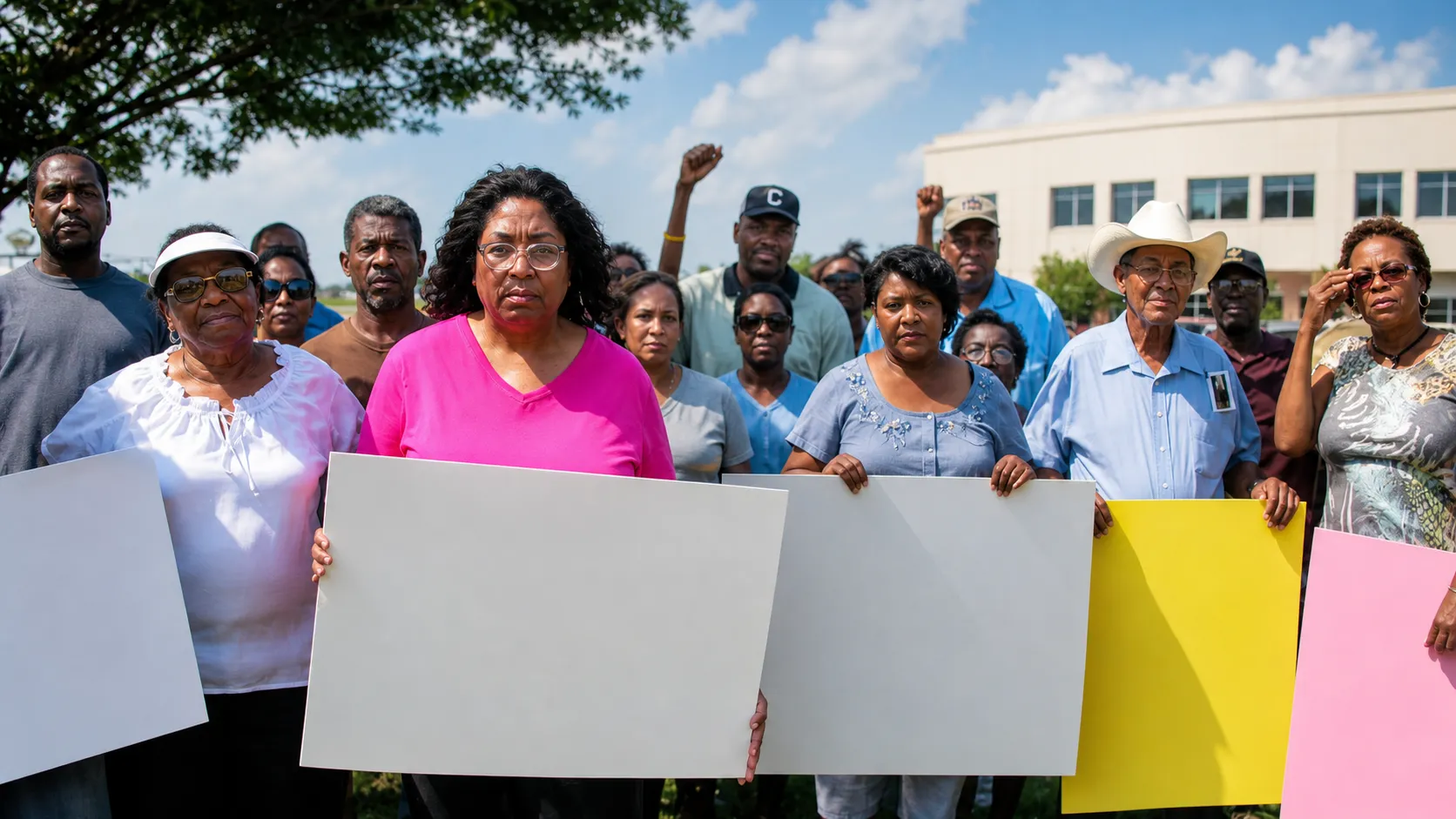
A year after the Muscogee (Creek) Nation’s Supreme Court affirmed the citizenship rights of Black Creek descendants, the tribe’s officials are facing a new federal lawsuit accusing them of refusing to obey the landmark ruling.
The case centers on two Black Creek citizens, Rhonda Grayson and Jeffrey Kennedy, who sued their tribe’s citizenship board in 2019 after their applications for membership were denied. Despite years of legal battles within tribal courts, officials have still not processed their citizenship or granted them the rights promised by a 1866 treaty between the tribe and the federal government.
On July 23, 2025, the Muscogee (Creek) Nation Supreme Court ruled that the Citizenship Board acted in violation of law when it rejected Grayson and Kennedy’s applications because their ancestors appeared on the Creek Freedmen Roll rather than the Creek “by-blood” registry. The court determined that the Treaty of 1866 guarantees Creeks of African descent and their descendants the same citizenship rights as other Creek citizens.
Yet more than a year has passed without full implementation of this decision. According to the federal lawsuit filed by Justice for Greenwood, a legal advocacy organization, the tribe’s officials—including Principal Chief David Hill, the Citizenship Board, and individual board members—have acted beyond their authority by withholding citizenship cards and obstructing the implementation of both the treaty and the court’s final judgment.
“We won in the Nation’s highest court, but one year later we are still being treated as though the judgment never happened,” Grayson said in a statement. She serves as chairwoman and band leader of the Muscogee Creek Indian Freedmen Band.
The dispute reflects a broader struggle across Indian Country regarding the citizenship rights of Freedmen descendants—descendants of formerly enslaved Black people held by Native American tribes. The Muscogee Nation, like the Cherokee, Chickasaw, Choctaw, and Seminole Nations, all participated in slavery during the 19th century. After the Civil War, new treaties signed in 1866 provided that Freedmen and their descendants would receive citizenship rights.
However, in 1979, the Muscogee Nation modified its citizenship criteria, excluding Freedmen descendants from membership by requiring applicants to trace their ancestry to those listed on the “by-blood” sections of the federal Dawes Rolls compiled over a century ago. This decision effectively barred hundreds of Freedmen descendants from tribal membership for decades.
Kennedy, who serves as vice chair of the Muscogee Creek Indian Freedmen Band, emphasized that the fight is not over. “Our children should inherit their citizenship, not this fight,” he said. “We are doing what our ancestors did before us: demanding that the Nation honor its word.”
The litigation could affect more than 100,000 Black Creek descendants nationwide and their access to voting, housing, health care, education, business assistance, and other rights and benefits tied to tribal citizenship. Federal policy experts have long argued that such exclusions violate both the treaties themselves and basic principles of civil rights law.
The pathway to this moment has been lengthy. Grayson and Kennedy applied for citizenship in 2019 and were denied. They appealed within the tribe’s system and were denied again. In 2020, they filed suit in the Muscogee Nation District Court. After a two-day bench trial in 2023, District Judge Denise Mouser sided with them, ruling that the Citizenship Board had acted “contrary to law.” The Citizenship Board then appealed to the tribal nation’s Supreme Court, which ultimately affirmed Judge Mouser’s decision in July 2025.
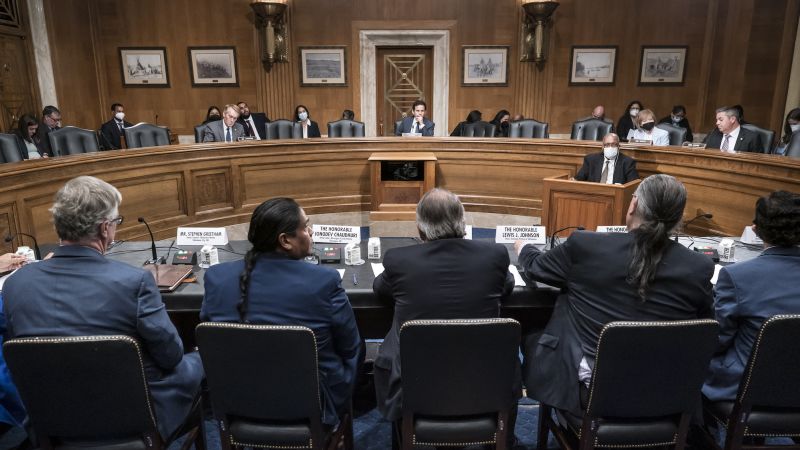
Despite this clear judicial victory, implementation has stalled. After the Supreme Court ruling, Principal Chief Hill issued an executive order instructing the citizenship office to continue receiving applications from Freedmen descendants but not to issue citizenship cards until tribal laws and regulations were updated. Grayson and Kennedy’s attorneys have characterized this as an unconstitutional obstruction of the court’s authority and a violation of the 1866 treaty.
The situation mirrors tensions that have played out in other tribes. The Cherokee Nation, one of the “Five Civilized Tribes” relocated to Oklahoma during the Indian Removal era, has been more receptive to Freedmen rights. In 2017, a federal court ruled that Cherokee Freedmen descendants have citizenship rights under their 1866 treaty, and the tribe accepted the decision without appealing. The Cherokee Nation subsequently removed “by-blood” language from its constitution and has been enrolling Freedmen descendants as full citizens.
The Muscogee Nation’s resistance stands in contrast. The tribe has historically invoked tribal sovereignty arguments, asserting its right to define its own membership regardless of treaty obligations. Yet the 2025 Supreme Court ruling explicitly rejected this reasoning, holding that the Treaty of 1866 is binding law that cannot be overridden by tribal policy.
Federal involvement remains a possibility. Civil rights advocates have called on the U.S. Department of Justice to intervene, noting that the situation involves potential discrimination that affects fundamental constitutional rights and raises questions about the federal government’s obligation to ensure that tribes honor treaty commitments.
The case has drawn attention from tribal sovereignty advocates, civil rights lawyers, and Indian affairs experts who view it as a test of whether tribal courts can successfully enforce their own constitutional and treaty-based rulings against resistance from tribal leadership. Justice for Greenwood has stated that the complaint alleges tribal officials have acted in violation of their legal responsibilities and the tribe’s own judicial authority.
Damario Solomon-Simmons, the lead attorney and founder of Justice for Greenwood, said he remains confident that the courts will ultimately uphold the freedmen’s rights. “As a Muscogee (Creek), I honor our Nation’s legal process,” he said.
The standoff raises fundamental questions about the rule of law within tribal governments and the enforceability of court orders when challenged by executive power. For Grayson, Kennedy, and thousands of other descendants, the wait for their citizenship rights to be fully realized continues.