

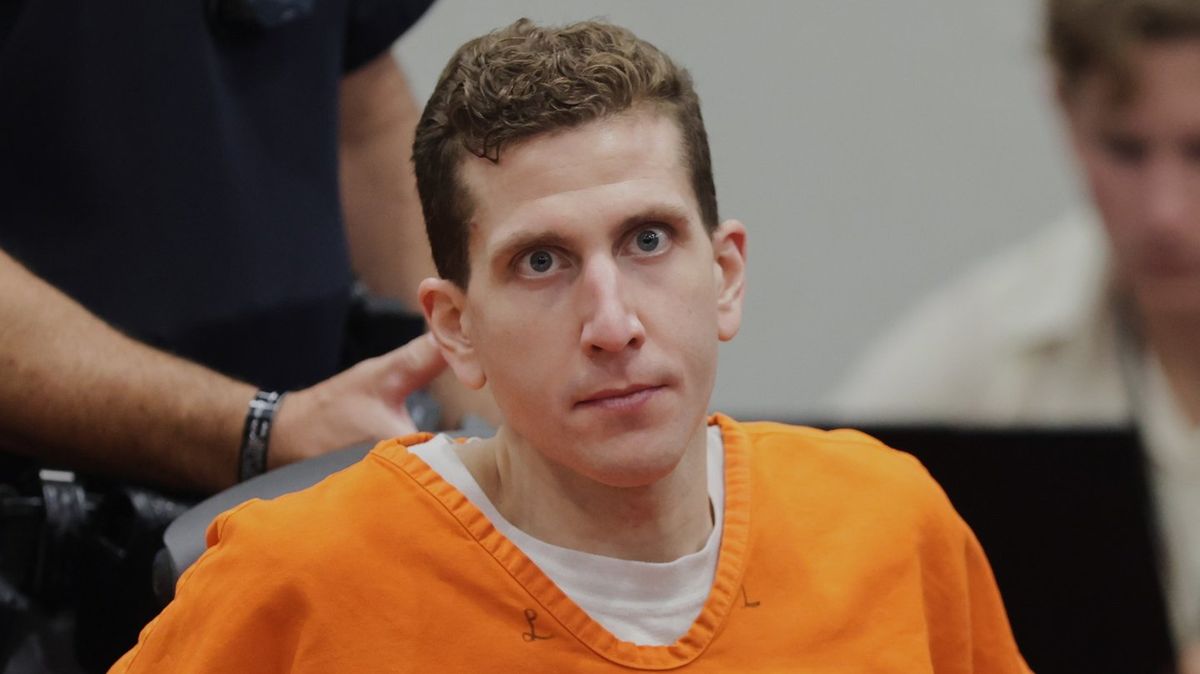
Bryan Kohberger’s newly unsealed psychological evaluation reveals eight distinct psychiatric and neurological conditions diagnosed by a court-appointed expert.
The comprehensive assessment, conducted by Dr. Rachel Lawson Orr, PsyD, ABPP-CN, a board-certified neuropsychologist retained by Kohberger’s defense team, provides the most detailed window yet into the mental state of the 30-year-old former Washington State University criminology doctoral student. The records were unsealed by the court in recent days, allowing public access to findings that had previously been shielded from view.
According to the evaluation and accompanying forensic reports, Kohberger’s diagnostic profile encompasses severe major depressive disorder, persistent anxiety, autism spectrum traits, and chronic depersonalization-derealization disorder. The latter condition is a dissociative state in which an individual experiences profound disconnection from their own body and surroundings, often described as feeling like an outside observer of one’s own life.
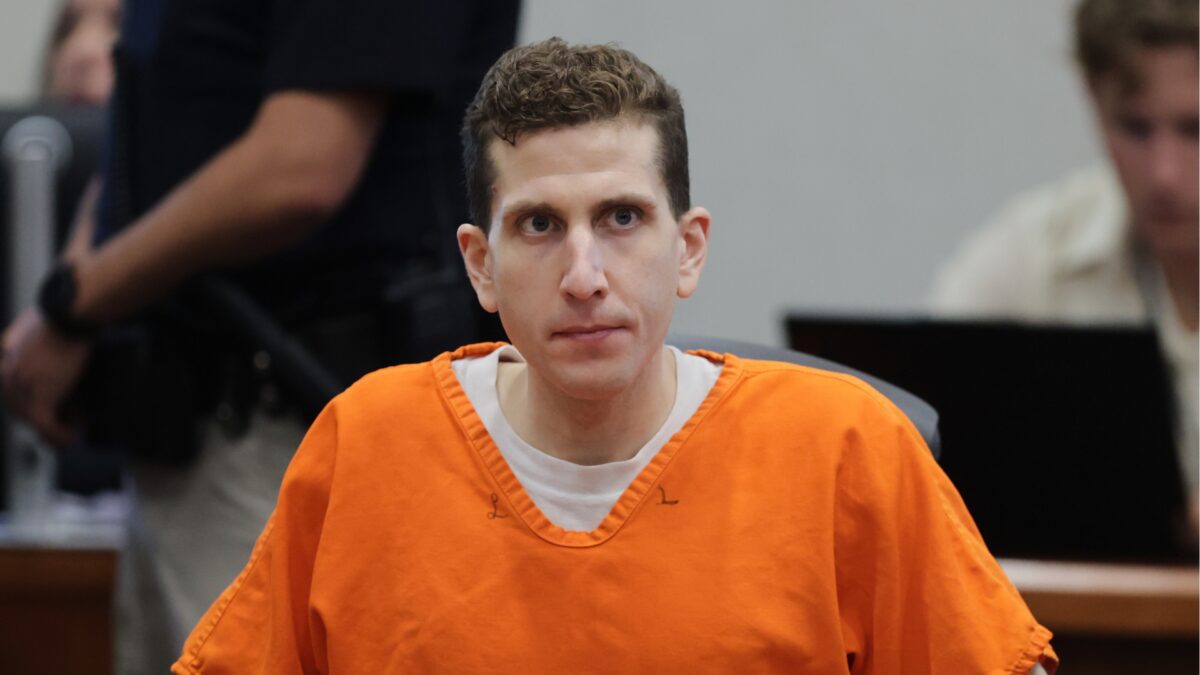
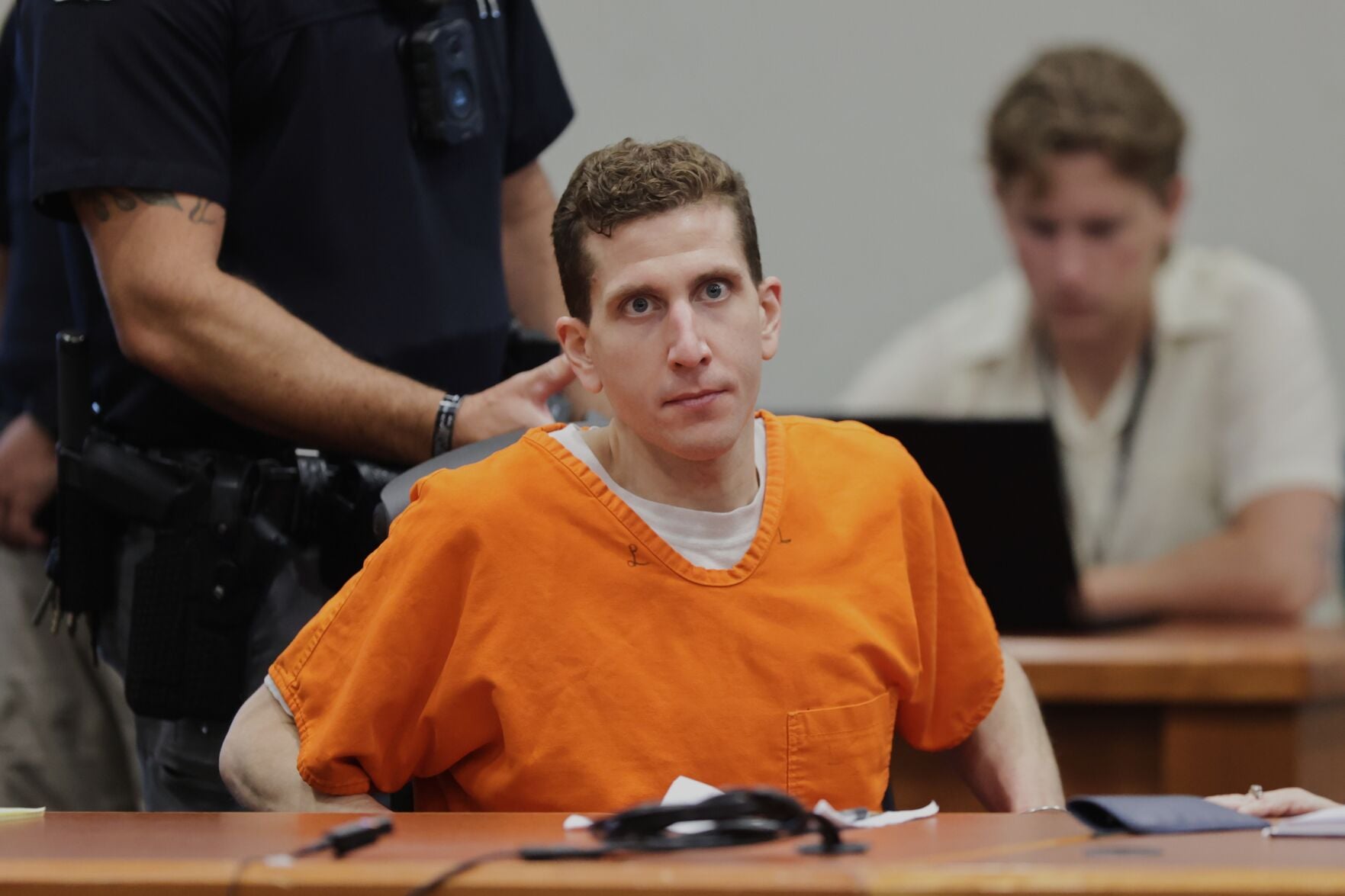
The records trace Kohberger’s psychological difficulties back to his mid-adolescence, documenting years of intense internal torment and progressive social isolation. Among the more unusual findings was his chronic struggle with “visual snow” syndrome, a rare neurological condition that causes a person’s visual field to be perpetually clouded by static-like flickering. Past forum posts and medical records referenced in the evaluation indicated that this condition significantly worsened his feelings of alienation, contributed to severe insomnia, and deepened a sense of profound emotional numbness.
Dr. Orr’s report also cataloged several atypical behavioral patterns that observers had noted during Kohberger’s interactions. These included a marked absence of descriptive or emphatic gestures, irregular speech cadence, and consistently awkward social encounters. The neuropsychologist further documented an inconsistent grasp of humor and awkward delivery when attempting to employ it.
Additionally, experts assessing Kohberger identified significant obsessive-compulsive traits, severe social anxiety, and pronounced difficulties with emotional reciprocity and peer bonding. These factors, the evaluation concluded, contributed to deep-seated resentment and a progressive withdrawal from social connection over time.
The unsealed records emerge in a broader legal context where mental health has become a contested issue. In subsequent filings, Kohberger’s lead defense attorney, Anne Taylor, argued that prosecutors had attempted to classify her client’s “mental health and developmental disabilities as aggravators.” Taylor contended this approach directly violated Kohberger’s constitutional rights by effectively “criminalizing his status as a disabled person.”
The evaluation’s findings expand upon mental health disclosures Kohberger himself made in a June court filing in September 2025, in which he listed four diagnosed conditions: autism (level 1), OCD, ADHD, and ARFID, an eating disorder. Those diagnoses were made in February 2025, months before his guilty plea. The newly unsealed evaluation from Dr. Orr appears to cover additional conditions and provides far more extensive clinical detail.
Throughout the capital proceedings, prosecutors maintained that Kohberger’s meticulous pre-planning, forensic precautions, and calculated actions demonstrated a clear, deliberate consciousness of guilt. Psychological evaluations frequently serve as core components of defense mitigation strategies in death penalty cases, intended to illustrate a defendant’s internal struggles, though mental health conditions do not absolve criminal responsibility under Idaho law.
Four University of Idaho students—Madison Mogen, 21, Kaylee Goncalves, 21, Xana Kernodle, 20, and Ethan Chapin, 20—were found fatally stabbed in an off-campus house in Moscow, Idaho, on November 13, 2022. Kohberger, then 27, was arrested the following month after investigators linked him to DNA on a knife sheath left at the crime scene and tracked his phone movements near the victims’ residence on multiple occasions before the killings. He pleaded guilty to all counts in July 2025 and was sentenced to four consecutive life terms without parole plus ten years for burglary, avoiding the death penalty through a controversial plea agreement.
Kohberger is currently incarcerated at the Idaho Maximum Security Institution, where he was placed in solitary confinement in the J block following his July 23 sentencing. In August, retired homicide detective Chris McDonough said that fellow inmates had been tormenting Kohberger through the vents in his cell, taunting him relentlessly and depriving him of sleep. “He’s extremely annoyed and frustrated,” McDonough claimed. “He’s complaining to the authorities that he can’t sleep because of them.”
Kohberger filed a petition for post-conviction relief with the Ada County District Court on Monday, July 27, attempting to challenge his conviction and representing himself, according to court dockets. The family of victim Kaylee Goncalves responded in a statement that Kohberger “chose not to leave his fate—or the facts of the case—to a jury” and received “exactly what he asked for: a deal that spared his life.”
The unsealed psychiatric findings offer clinicians and legal observers a clearer picture of Kohberger’s behavioral trajectory leading up to the 2022 tragedy, even as the question of ultimate motivation remains contested. The Kaylee Goncalves family has indicated that if Kohberger is granted a hearing, they will attend to face him again in court.