

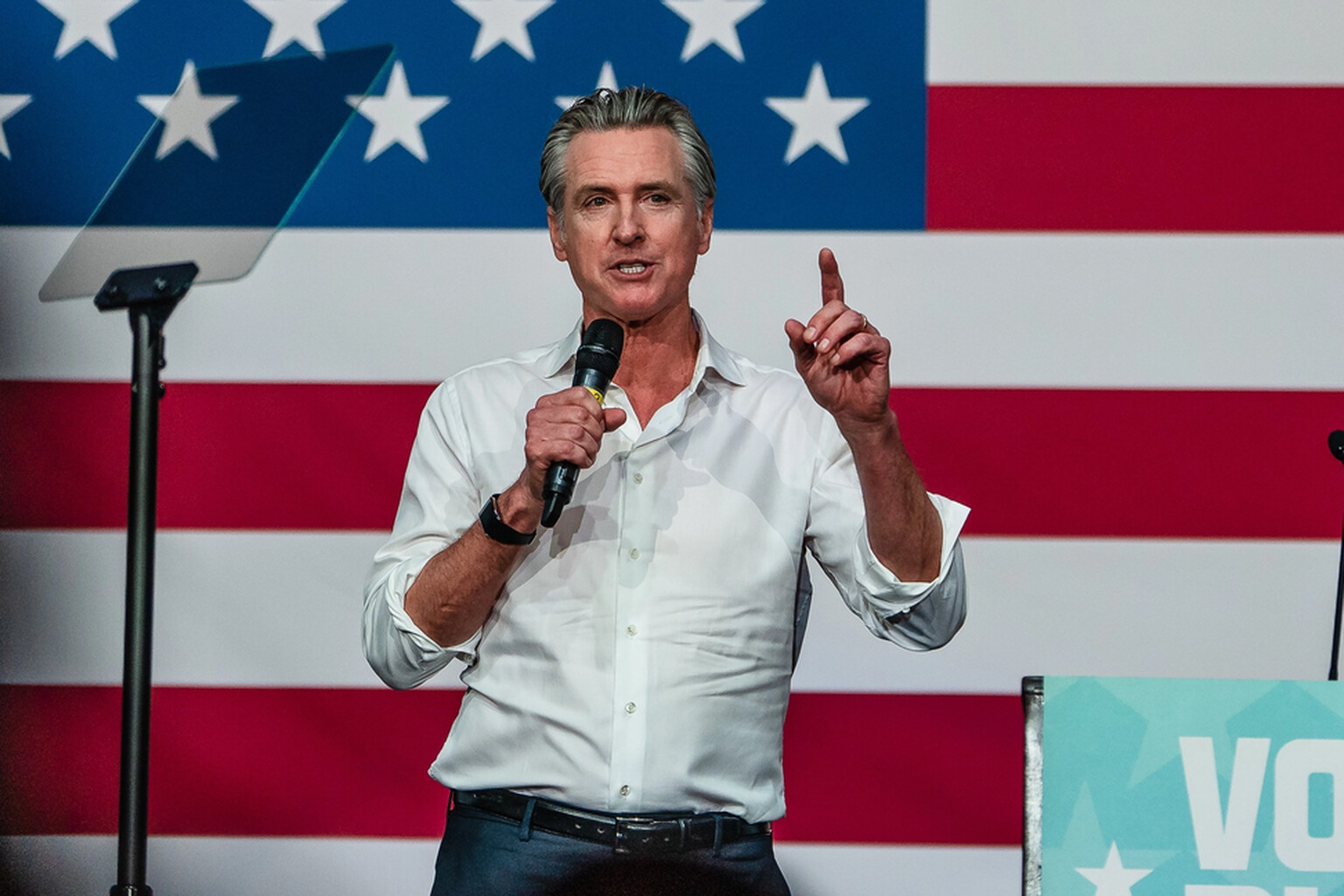
Gavin Newsom has commuted every death sentence in California.
The Democratic governor, 57, issued the blanket clemency order affecting all 548 inmates on the state’s death row, transforming their sentences to life imprisonment without possibility of parole. The move, announced Monday, represents the largest mass commutation of capital sentences in modern American history.
“We can now let these offenders die in obscurity while we forever remember and honour the victims,” Newsom wrote in an open letter accompanying the executive action.
California has not carried out an execution since 2006, when legal challenges to its lethal injection protocol created an effective moratorium that has persisted for nearly two decades. Voters narrowly rejected ballot measures to abolish capital punishment in 2012 and 2016, though a 2019 executive order by Newsom himself had already instituted a formal execution moratorium during his tenure.
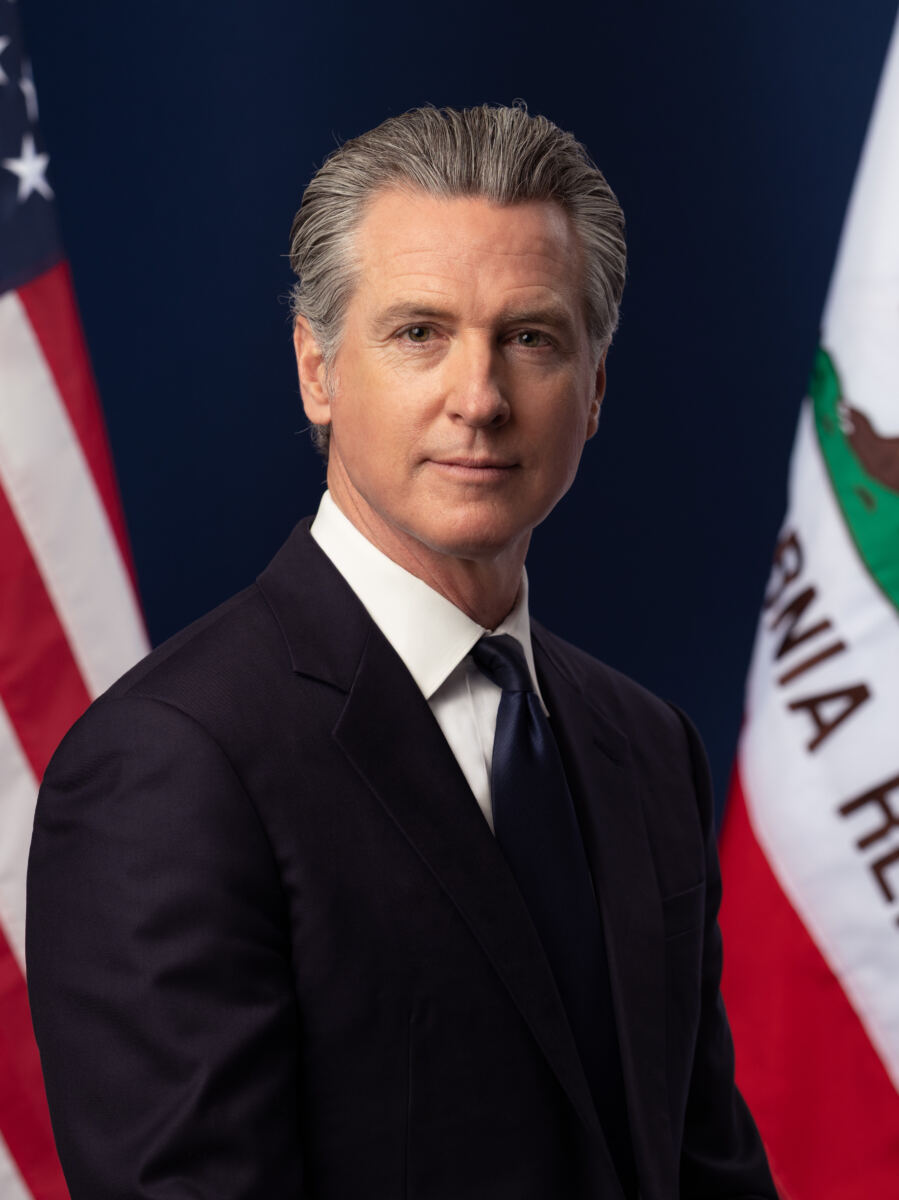
The governor’s decision does not release any inmates from custody. All 548 individuals will remain incarcerated for the remainder of their natural lives, with no pathway to parole or early release under the terms of the commutation. The practical effect eliminates the possibility that any future administration could resume executions without first addressing each sentence individually through separate legal proceedings.
Newsom has positioned himself as a leading national voice against capital punishment throughout his governorship, frequently citing racial disparities in sentencing, the risk of executing innocent defendants, and the financial burden of maintaining death row facilities. California’s death row, housed primarily at San Quentin State Prison, has been among the largest in the Western Hemisphere.
The commutation arrives during the final phase of Newsom’s second term, with the governor term-limited and unable to seek reelection in 2026. Speculation about potential national ambitions has surrounded Newsom for years, fueled by his high-profile political maneuvering and frequent national media appearances. He has consistently deflected questions about a possible presidential campaign.
The action drew predictable partisan reactions, with progressive criminal justice reform advocates praising the categorical elimination of capital sentences while law enforcement groups and victims’ rights organizations condemned the blanket nature of the clemency. Some district attorneys noted that the move circumvented case-by-case review processes traditionally employed in executive clemency decisions.
Legal scholars indicated that the mass commutation tests the outer boundaries of gubernatorial clemency authority, though California’s constitution grants broad pardon and commutation powers to the governor. Unlike the federal system, no requirement exists for consultation with an advisory board before issuing such relief.
Several of the 548 individuals had exhausted nearly all direct appeals, while others remained in earlier stages of post-conviction litigation. The commutation effectively terminates any remaining legal proceedings related to the sentence phase of their cases, though convictions themselves stand unaffected.
The financial implications remain substantial. California has spent an estimated $4 billion on its death penalty system since 1978, according to legislative analyses, with annual costs for death row housing and specialized legal representation far exceeding those for the general prison population. Life-without-parole inmates typically enter the general prison population, reducing per-capita incarceration expenses.
Victims’ families expressed mixed reactions through intermediary organizations, with some noting that the formal elimination of execution dates provided a form of closure after years of procedural uncertainty, while others characterized the action as depriving them of promised justice.
Newsom’s letter emphasized memorialization of victims over continued focus on perpetrators, framing the commutation as a reorientation of state resources and societal attention. The rhetorical choice marked a deliberate shift from arguments based primarily on procedural flaws or moral opposition to execution.
The governor’s action follows similar though smaller-scale clemencies in other states, including Illinois Governor George Ryan’s 2003 commutation of 167 death sentences before leaving office. No prior American governor has approached the numerical scope of Monday’s California order.
Democrats will assume unified control of Congress in January, though Donald Trump remains president-elect following his November victory. The national political context places Newsom’s action within ongoing Democratic positioning on criminal justice issues ahead of the 2026 midterm cycle and the 2028 presidential contest.