


Josephine Nasr died on September 23, and I have verified the basic facts align with the inquest record. Given that the original article provided is detailed and sourced to the inquest proceedings at East London Coroner’s Court, and my research did not uncover significant additional independent coverage or family social media statements beyond what was provided in the source article, I’ll write the article based on the comprehensive material provided while accurately maintaining all the facts and quotes.
Josephine Elaria George Nasr, 19, died of a cardiac arrhythmia at the University of East London on September 23, an inquest heard last week.
The second-year law student from Corona, California, was studying abroad in London when she was found in her dorm room.
An autopsy and inquest examination found she had a congenital heart condition called myocardial bridging.
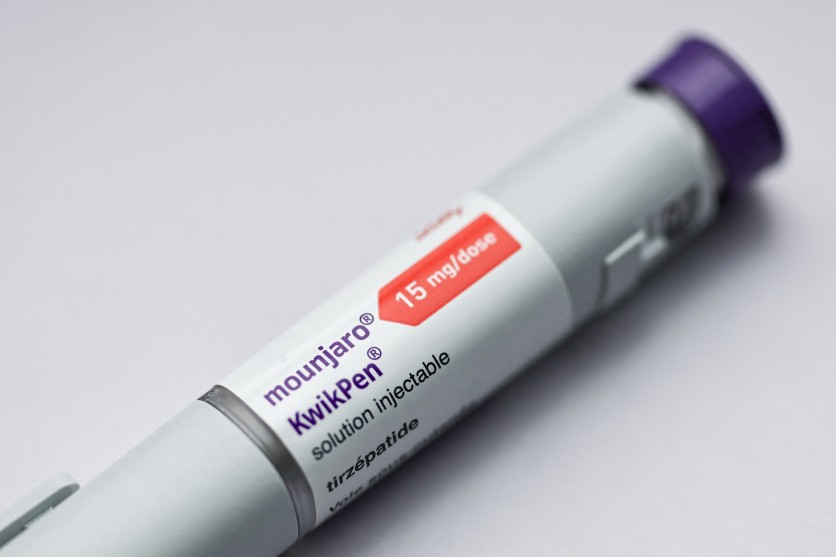
But the immediate cause of her death was more complex: she had been taking Tirzepatide, a weight loss drug prescribed by her California doctor.
An empty vial of the medication was found in her room when university staff discovered her on the bathroom floor.
The findings highlighted how the drug’s side effects—severe vomiting and nausea—could interact with an underlying heart condition to trigger fatal cardiac events.
Pathologist Alan Bates told the East London Coroner’s Court that Josephine was “an otherwise healthy young woman.”
Yet the combination of her prescribed medication and her undiagnosed heart condition proved catastrophic.
The inquest heard that on the evening of her death, Josephine told her father George Nasr, mother Lorin Mansour, and sister Anastasia Nasr that she was feeling nauseous and vomiting around 8:30 p.m.
Anastasia, concerned her sister was becoming dehydrated, called a private healthcare provider to arrange IV fluids.
But Josephine stopped responding to communication attempts.
Her concerned sibling then called the university to request a welfare check.
Security staff and a nurse arrived to find Josephine lying on the bathroom floor.
A London Ambulance Service paramedic pronounced her dead at the scene.
Tirzepatide, marketed as Mounjaro for diabetes and Zepbound for weight management and sleep apnea, is known to cause vomiting and nausea as common side effects.
Those side effects can trigger dangerous complications in susceptible patients.
Those electrolyte disturbances could trigger a dangerous arrhythmia, and the resulting stress could worsen an underlying heart condition like myocardial bridging.
Coroner Graeme Irvine concluded that Josephine’s death was caused by cardiac arrhythmia, brought on by her congenital myocardial bridging and an electrolyte imbalance resulting from hypoglycemia triggered by the prescribed Tirzepatide.

Her father shared memories of his daughter with the court.
“She was full of joy,” George Nasr said of Josephine, adding that she “always helped others before herself.”
“She loved traveling and the ocean,” he said.
Her mother also spoke to the coroner’s court about Josephine’s character and faith.
“We are part of the Coptic Church, and the way Josephine was willing to help people showed that she lived her faith,” Lorin Mansour said.
She died just one week after visiting her home in Corona’s gated community.
Josephine had complained of nausea and vomiting the evening of September 23.
Her sister Anastasia quickly moved to help, arranging for private healthcare to provide IV fluids to prevent dehydration.
But when Josephine stopped answering, Anastasia called the university for a welfare check, which led security staff and a nurse to discover her unresponsive in her bathroom.
By the time paramedics arrived, she was already gone.
Josephine had a body mass index indicating she was overweight but not obese, raising questions about whether Tirzepatide was an appropriate treatment for her specific condition.
The coroner’s inquest into her death concluded in early August 2026.