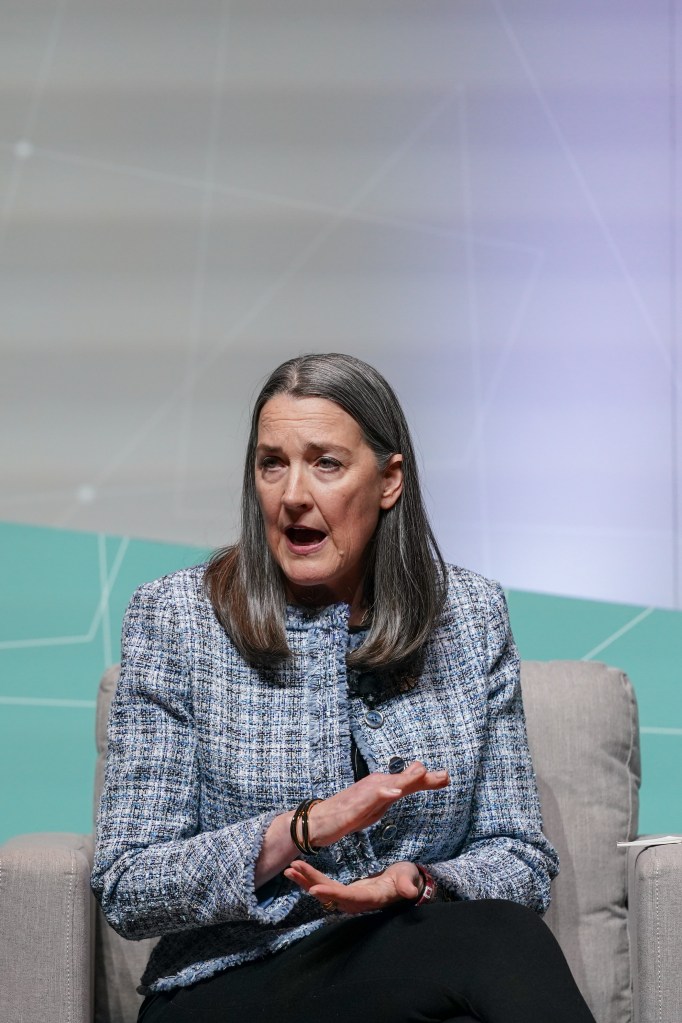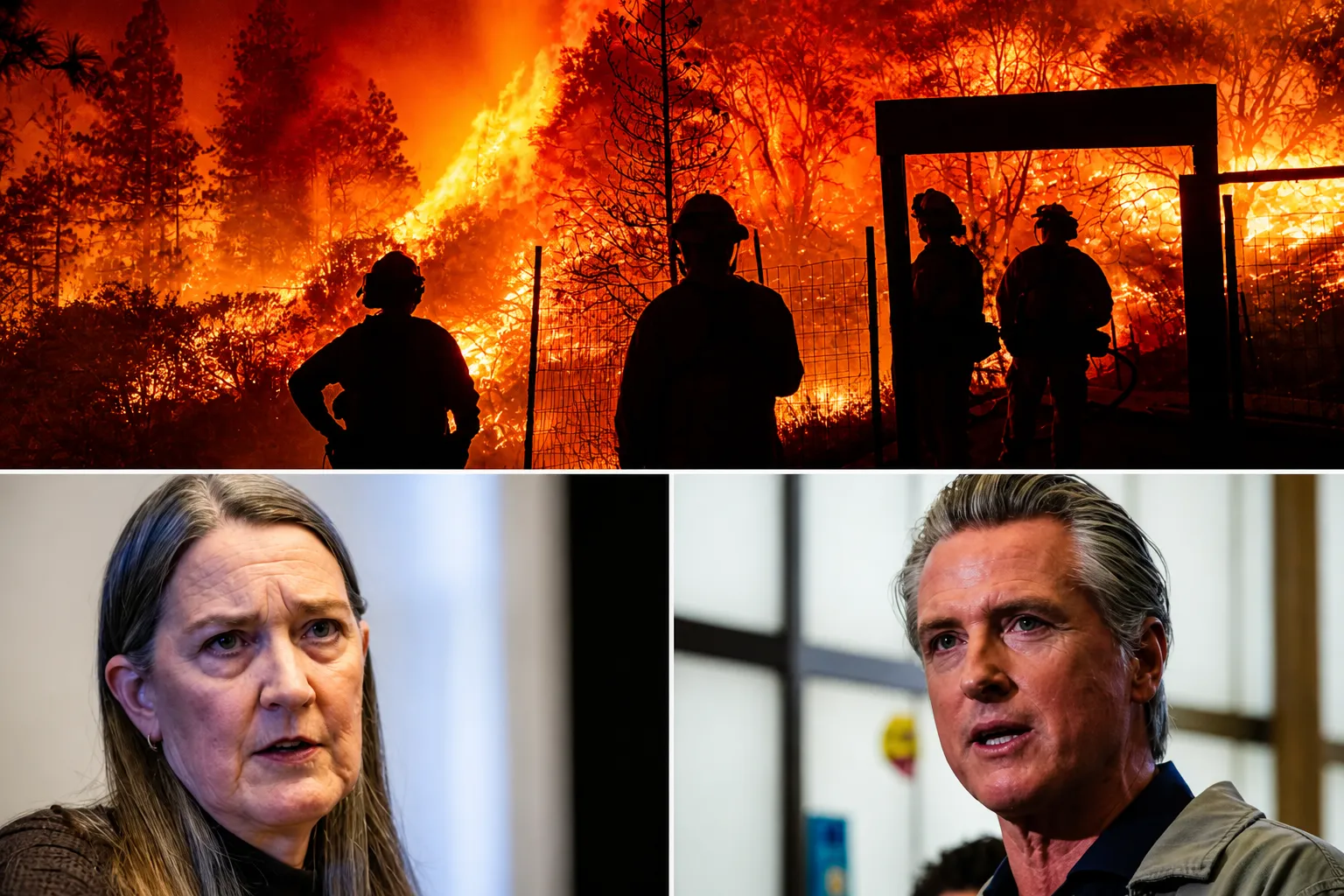
PG&E CEO Patti Poppe is warning that California’s wildfire liability rules have pushed the utility to freeze roughly $2 billion in planned 2027 investments.
Poppe, who leads the state’s largest utility, said the company’s financing costs have spiraled because banks and investors see California utilities as unusually risky bets. The announcement came Wednesday, days after state lawmakers rejected a sweeping overhaul of utility wildfire liability pushed by Gov. Gavin Newsom.
“We are unable to fund PG&E’s continued transformation at our current pace,” Poppe said. “Financing our work has become increasingly difficult and expensive due to the way California law assigns the cost of wildfire to utility customers and investors.”
The deferred spending will not touch critical safety programs or wildfire mitigation obligations, the company stressed. Instead, PG&E plans to delay or slow projects that can afford to wait while it confronts what it calls mounting financing challenges. The utility still expects to invest about $11.4 billion in California next year.
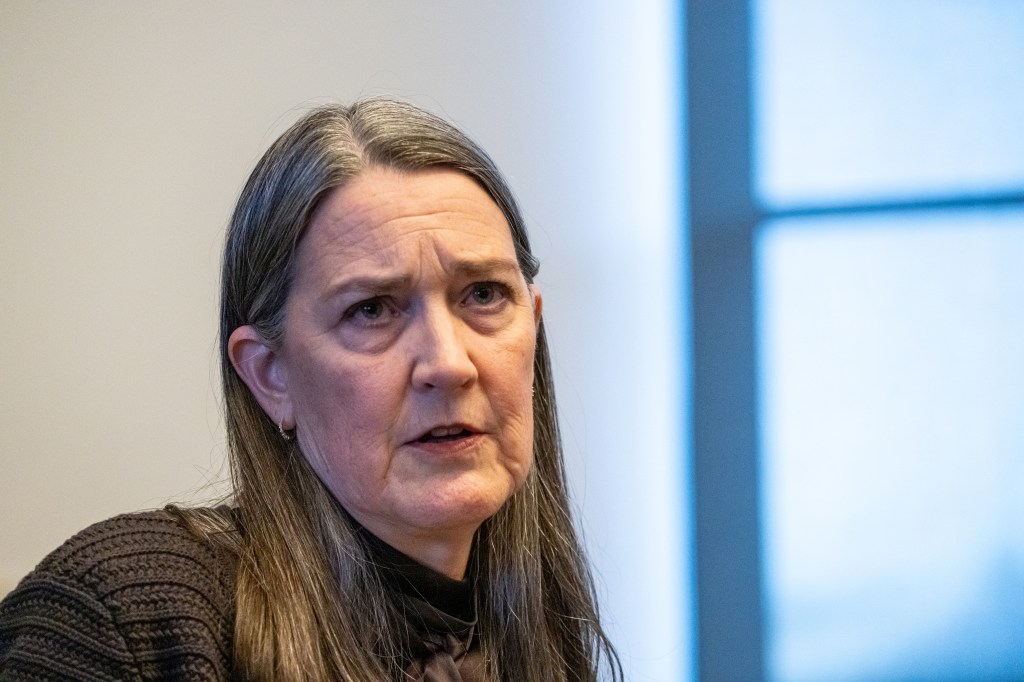
At the core of Poppe’s frustration is a liability system that leaves utilities on the hook for enormous wildfire costs even when they have followed required safety and prevention measures. Insurers who pay claims to property owners destroyed by fires can also turn around and seek reimbursement from utilities.

“The people who fund building that equipment, banks and investors, face more risk here,” Poppe said. “Because of the way California law assigns the cost of wildfire to utility customers and investors, risk goes up for both of them.”
That dynamic, she argued, drives up borrowing costs and makes it harder to raise capital for grid maintenance and upgrades.
The timing underscores the tension between Sacramento and the utility. Just last week, Democrats in the Legislature backed away from Newsom’s broader proposal, which would have limited insurers’ ability to recover wildfire losses from utilities. Fierce opposition forced a narrower compromise focused on survivor payments and utility accountability instead. The reversal sent PG&E and Edison International shares tumbling as investors priced in continued wildfire liability exposure.
Poppe rejected the notion that Wednesday’s announcement was calculated to pressure lawmakers.
“Our customers need the Legislature to finish the job,” she said. “Our customers will pay the price of their inaction.”
Behind the scenes, PG&E’s board has launched a broader strategic review. A four-member committee is examining potential changes to how the utility is organized and financed, with an eye toward strengthening its balance sheet, improving affordability for ratepayers, and attracting cheaper long-term investment.
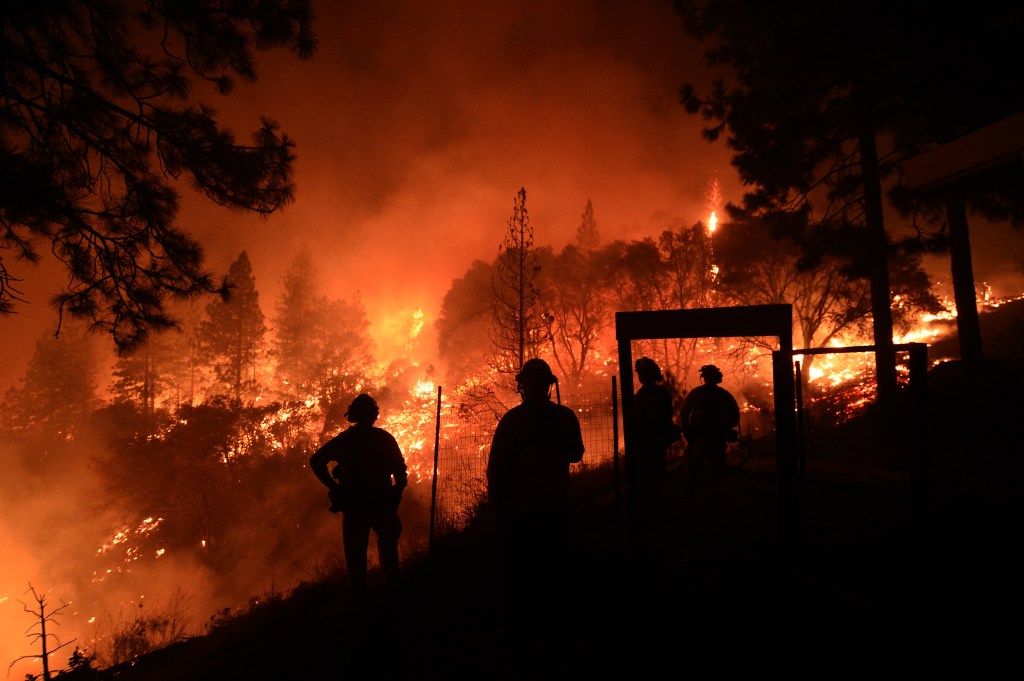
The utility emerged from bankruptcy in 2020 after its equipment ignited the deadly 2018 Camp Fire, which killed 85 people and destroyed the town of Paradise. That catastrophe capped a string of destructive fires linked to PG&E power lines, burying the company in liability and forcing a sweeping reorganization. The utility has since spent billions hardening its grid against wind and fire risk, but the shadow of strict liability continues to shape investor confidence and its cost of capital.
PG&E said it hopes to find a financial and organizational structure that can break through the current impasse. For now, the $2 billion deferral represents a concrete pullback from its earlier spending plans, even as Poppe insists the move is unavoidable rather than tactical.