

Flying can be nerve-racking at the best of times, especially for anyone who finds themselves thinking about past aviation disasters. But after a passenger was almost dragged out of a plane earlier this month, concerns about whether something similar could happen again have understandably grown.
The incident took place on July 10 after Svetlana Grković and her husband, Ljubiša Karović, boarded a Ryanair flight travelling from Thessaloniki in Greece to Memmingen in Germany.
Shortly after takeoff, Ljubiša was nearly pulled from the aircraft while it was flying over Thessaloniki. Svetlana said he was left hanging outside the plane “up to his chest” as she clung to his legs.
Speaking to news outlet NOVA, Svetlana said of the ordeal:
“It was as if a part of the engine broke off and hit the window next to which my husband Ljubiša was sitting.
“I reacted immediately and grabbed his legs. I thought: ‘If we die, we die together.’ It was horrible.”
The Serbian couple survived, although Ljubiša is said to have suffered injuries during the terrifying five-minute struggle before other passengers managed to help pull him back into the cabin.
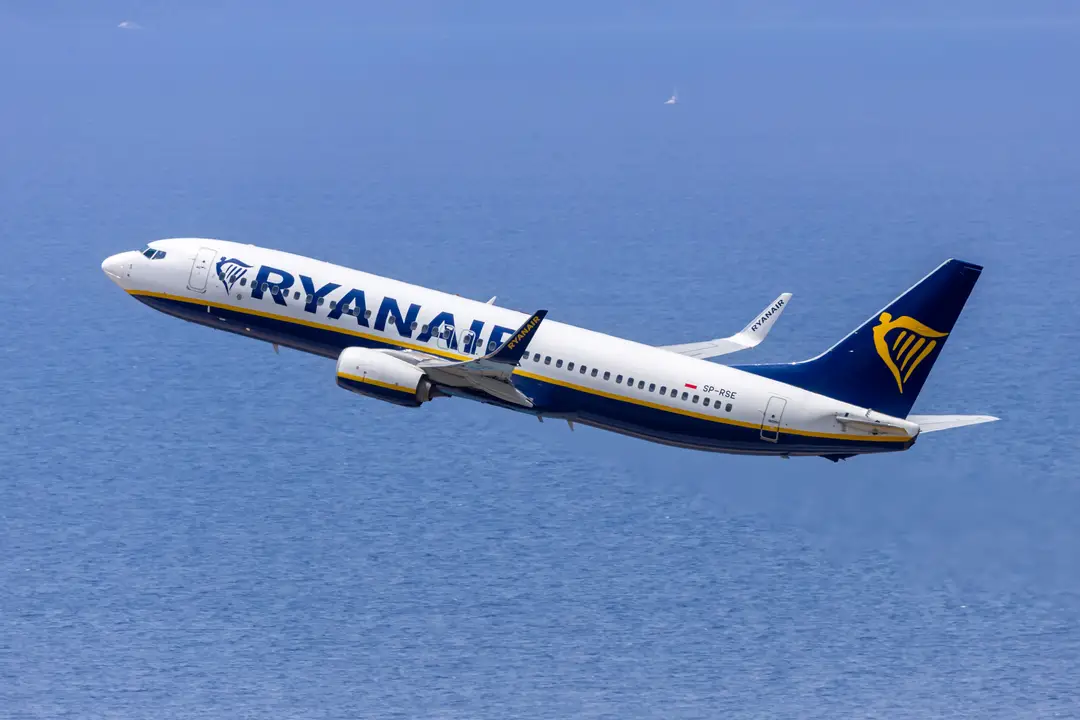
The Boeing 737-800 was forced to return and make an emergency landing at the airport it had departed from, allowing him to get medical attention.
In comments to ERT, Svetlana said fellow passengers played a crucial role in getting her husband safely back inside the aircraft.
Because there has been no official explanation yet for why the window failed and opened, some travellers may be wondering whether they could face the same danger.
An aviation expert says that remains highly unlikely.
“Air travel is still 600,000 times safer than driving in your car,” Jeff Guzzetti, an Aviation Risk expert and president of Guzzetti Aviation Risk Discovery, revealed to The Post.
“We still don’t know why this particular event happened,” he added. “It’s an extremely rare occurrence, but the Greeks have asked the US NTSB to investigate, so that’s a good thing because they have experience in investigating similar cases in the past.”
“The investigators need to be very methodical and thoughtful, and then you need to write a report that is of high quality and credible and that has consensus,” he added.
The European Union Aviation Safety Agency (EASA) said it is in contact with the FAA as the state of design of the aircraft, as well as the engine manufacturer, and that it will follow the situation closely as more information emerges and take any continued airworthiness action needed to ensure safety.
Guzzetti also addressed the issue of responsibility for the incident.
“It’s up to the individual to handle recourse. Frequently in cases like this, victims can sue.”
“If there is accountability, it could be with the manufacturer,” the expert said.
Other people on board have since spoken publicly about what they witnessed, including Christina, who told Radio Thessaloniki:
“The masks dropped and there was a strong smell. The head and shoulders of one passenger were outside the window. Fortunately, he hadn’t taken off his seat belt.”
What makes incidents like this so frightening is the sudden loss of cabin pressure. Modern passenger aircraft are pressurised, so if a window or other part of the fuselage fails in flight, air can rush out very quickly and create powerful forces around the opening. That does not mean passengers are routinely in danger, but it does explain why being seated close to a sudden structural failure can be so serious.
In this case, the key factor was that the passenger was near the opening when the failure happened, and the aircraft’s safety systems and fellow passengers helped prevent a far worse outcome. Aviation experts note that while a person can be pulled toward a sudden opening in a pressurised cabin, the overall risk of it happening on a commercial flight remains extremely low.
Authorities continue to investigate the cause of the failure, and the airline has said the aircraft returned to Thessaloniki shortly after takeoff when a passenger window dislodged inflight.