

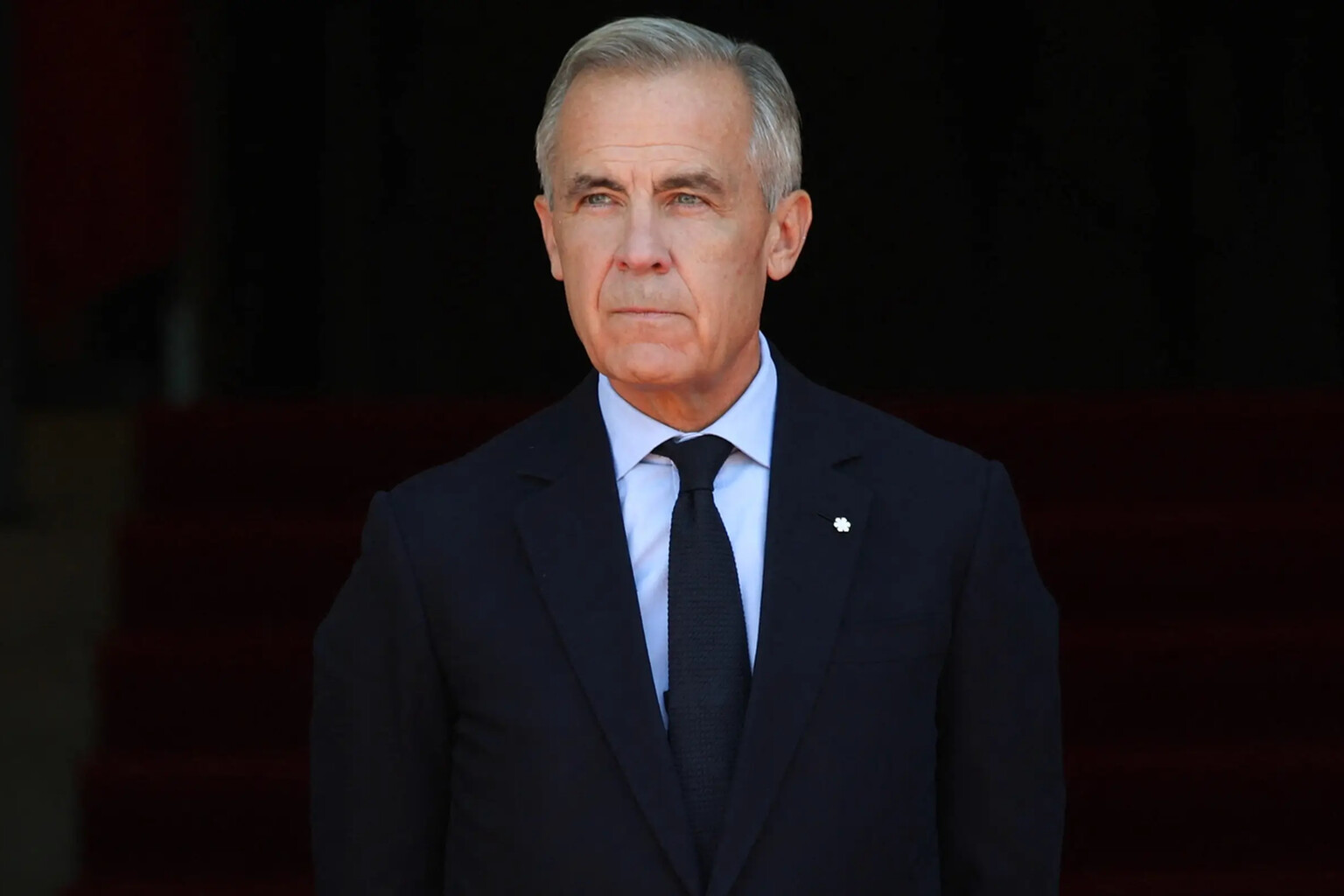
Mark Carney has spoken publicly about preparing for the remote possibility of U.S. Military action against Canada.
The Canadian prime minister, 60, said in a recent interview that he had spent the past year planning for what he termed an “extreme tail risk” — that President Donald Trump, 79, might order an attack on his country’s territory. Carney said the preparation was simply “risk management” rather than a reflection of any likely scenario, adding that it “would be irresponsible not to prepare.”
Carney and Trump have been locked in an escalating trade battle that has severely strained the long-standing alliance between the neighboring nations. The president imposed 50 percent tariffs last month on $27.6 billion worth of Canadian goods, targeting America’s largest foreign supplier of steel and aluminium. Canada retaliated on September 8 with matching 50 percent tariffs on $27.6 billion in U.S. Imports, prompting warnings from economists that the tit-for-tat measures could trigger economic consequences comparable to the Great Depression.
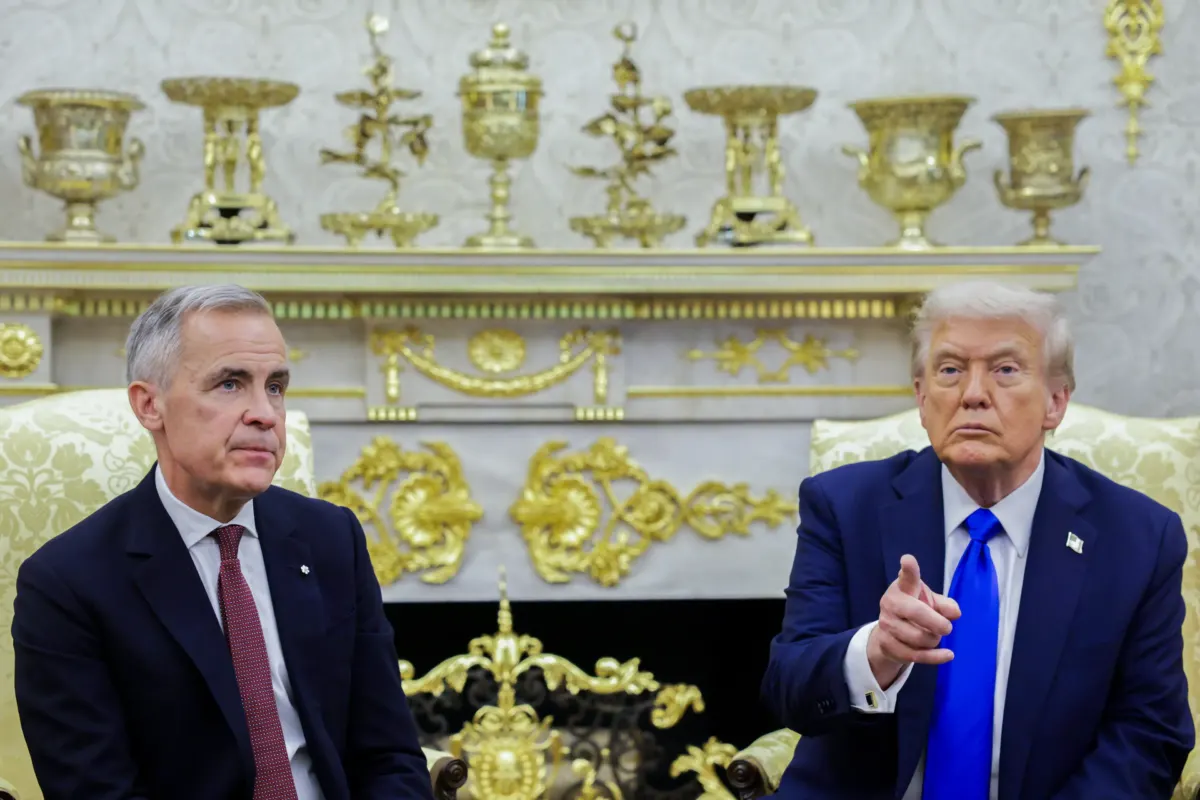
Despite the economic warfare, Carney insisted he maintains what he considers productive communication with Trump. “From my perspective, we have a good relationship in the sense of we can pick up the phone and talk to each other about issue,” he said. “He’s direct. I’m direct in terms of where positions are. It’s much more efficient that way, and so you know that exists and that will continue to exist.”
The two leaders have spoken frequently, Carney noted, including after their most recent trade negotiations collapsed. Those conversations have done little to resolve fundamental disagreements, particularly Trump’s repeated suggestions that Canada should become America’s 51st state — a notion that has fueled speculation about the president’s ultimate intentions.
When pressed on whether he takes Trump’s threats seriously, Carney offered a measured response that balanced alarm with reassurance. “I think you have a responsibility in these roles to look at extreme tail risk,” he shared. “That’s just risk management. That’s not a base case, but it would be irresponsible not to prepare.”
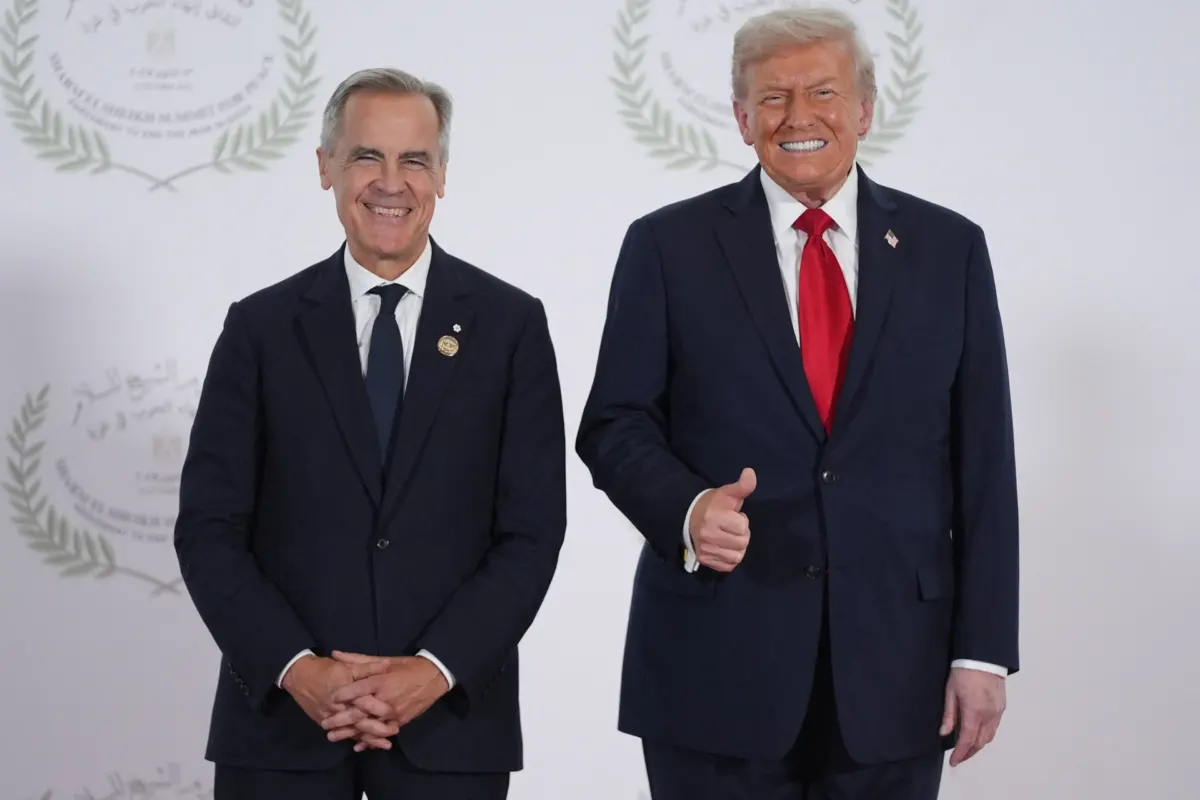
Carney has outlined ambitious objectives for reshaping Canada’s relationship with its southern neighbor, posting his negotiation priorities on his official website last month. The stated goals include reducing Canadian dependence on the U.S. Market and diversifying trade relationships, though specific details of his economic strategy remain closely held. Those same themes have reportedly featured prominently in his direct conversations with Trump.
The military preparation revelation comes as diplomatic channels between Ottawa and Washington remain technically open but functionally strained. Multiple rounds of talks have failed to produce breakthroughs on tariff relief, with both sides digging in on positions that appear increasingly irreconcilable. Carney’s acknowledgment that he has gamed out worst-case scenarios represents an unusual degree of transparency about contingency planning typically kept classified.
Trade tensions between the allies began intensifying earlier this year when Trump targeted Canadian metals with punitive duties, citing national security concerns that Canadian officials dismissed as pretextual. The September 8 Canadian retaliation marked a significant escalation, with Ottawa abandoning earlier restraint in favor of proportional economic countermeasures.

Carney’s “good relationship” characterization of his Trump interactions stands in notable tension with his simultaneous preparation for potential military hostilities. The prime minister has positioned his directness as a diplomatic asset, suggesting that mutual bluntness creates predictability even amid disagreement. Whether that approach can prevent further deterioration remains uncertain given the fundamental clash over Canadian sovereignty that Trump’s statehood rhetoric represents.
The next anticipated step in the bilateral standoff involves continued Canadian efforts to reduce economic reliance on American markets, though no specific timeline for major policy announcements has been confirmed.