

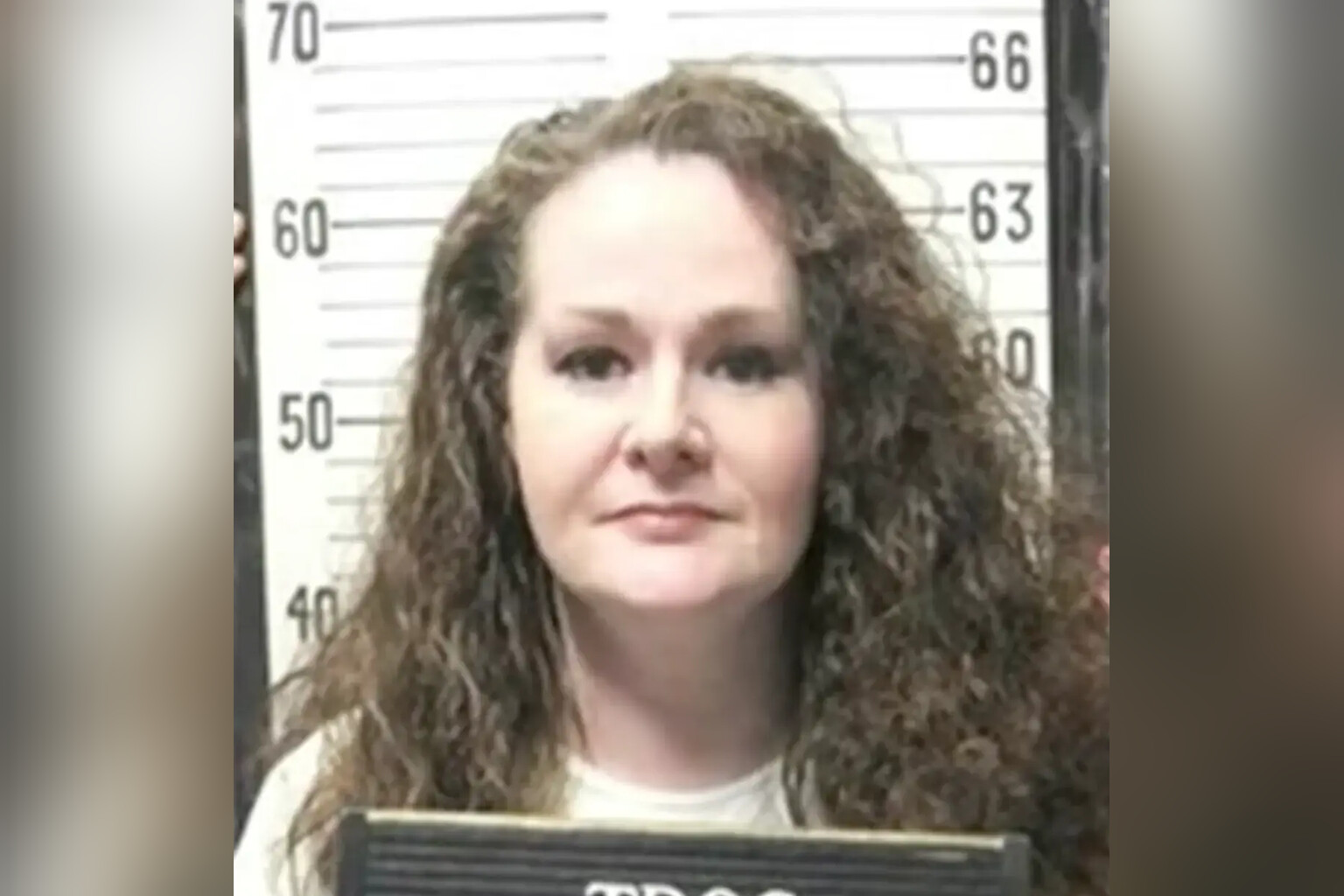
Christa Pike’s attorneys say their warnings about a flawed execution protocol were ignored before she became the only person known to survive two lethal injections.
Pike, 49, was strapped to a gurney in a Tennessee death chamber on September 30 and given two doses of pentobarbital, yet remained alive and breathing when witnesses looked on. The state had scheduled her to die shortly before midnight, but the procedure collapsed into what her legal team calls a preventable disaster. She was taken to a hospital and, at the time of writing, continues to receive life-saving care.
An appeals court had briefly halted the execution roughly an hour before it was set to begin, only to have that stay overturned about an hour later. Pike had spent three decades on death row for the 1995 murder of her 19-year-old classmate Colleen Slemmer. Had the lethal injection worked, she would have been the first woman executed in Tennessee in more than 200 years.

Journalists inside the execution chamber reported that Pike was “alive and snoring” after both doses were administered. Her attorneys later released a statement saying the problems they had flagged in advance materialized exactly as feared.
“We take no pleasure in being right, but the concerns raised by Ms. Pike proved to be true: difficult vein access, blown veins, degraded pentobarbital, no emergency medical care available when things inevitably go wrong, all under a protocol that remains veiled in secrecy,” her attorneys said.
The drug used, pentobarbital, is a short-acting barbiturate typically prescribed for seizures or to induce medical comas for patients with severe head trauma, according to Jonathan Groner, MD, Emeritus Professor of Clinical Surgery at Ohio State University College of Medicine, who spoke.
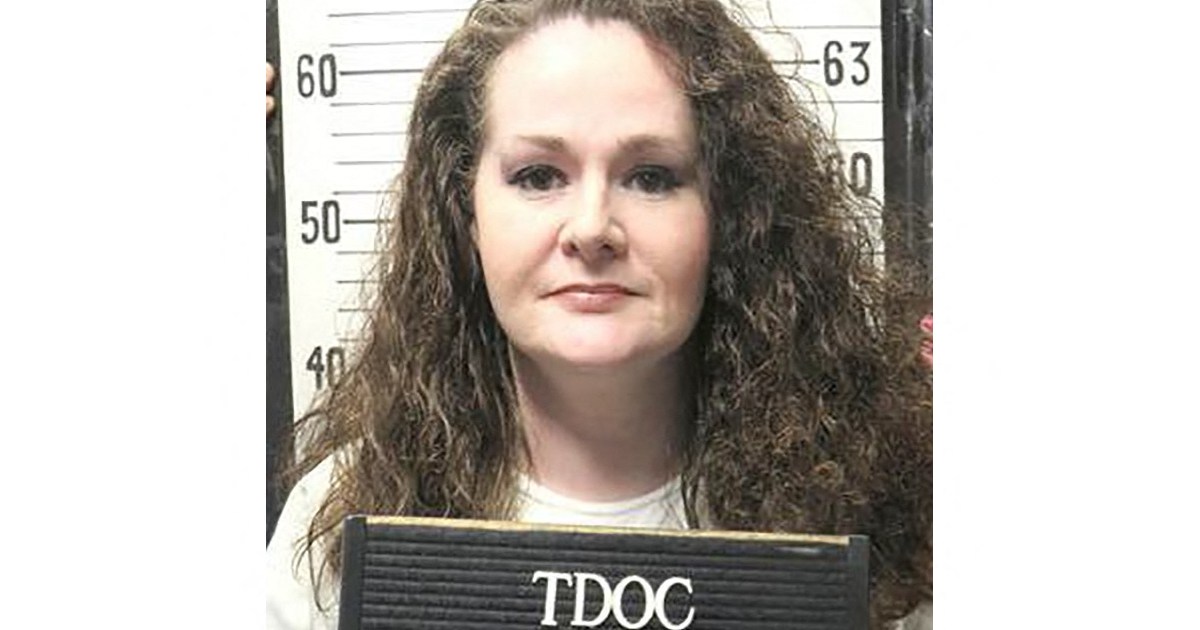
Dr. Ramskill, speaking to Metro, said she does not believe “anybody can responsibly give a definitive explanation for Christa Pike’s survival.” Rather than assuming Pike herself resisted the drug, Ramskill emphasized that the entire process demands scrutiny. She raised the possibility that the IV line malfunctioned, causing medication to leak into tissue surrounding the vein instead of entering circulation. Other potential factors she cited include incorrect drug storage, improper administration speed, or unusually fast metabolization, though she stressed it is far too early to conclude that Pike’s body processed the drug abnormally.
Tennessee Governor Bill Lee, 80, has ordered a formal investigation into what went wrong during the procedure. The governor’s intervention comes amid growing scrutiny of lethal injection protocols nationwide, though his office has not specified a timeline for findings.
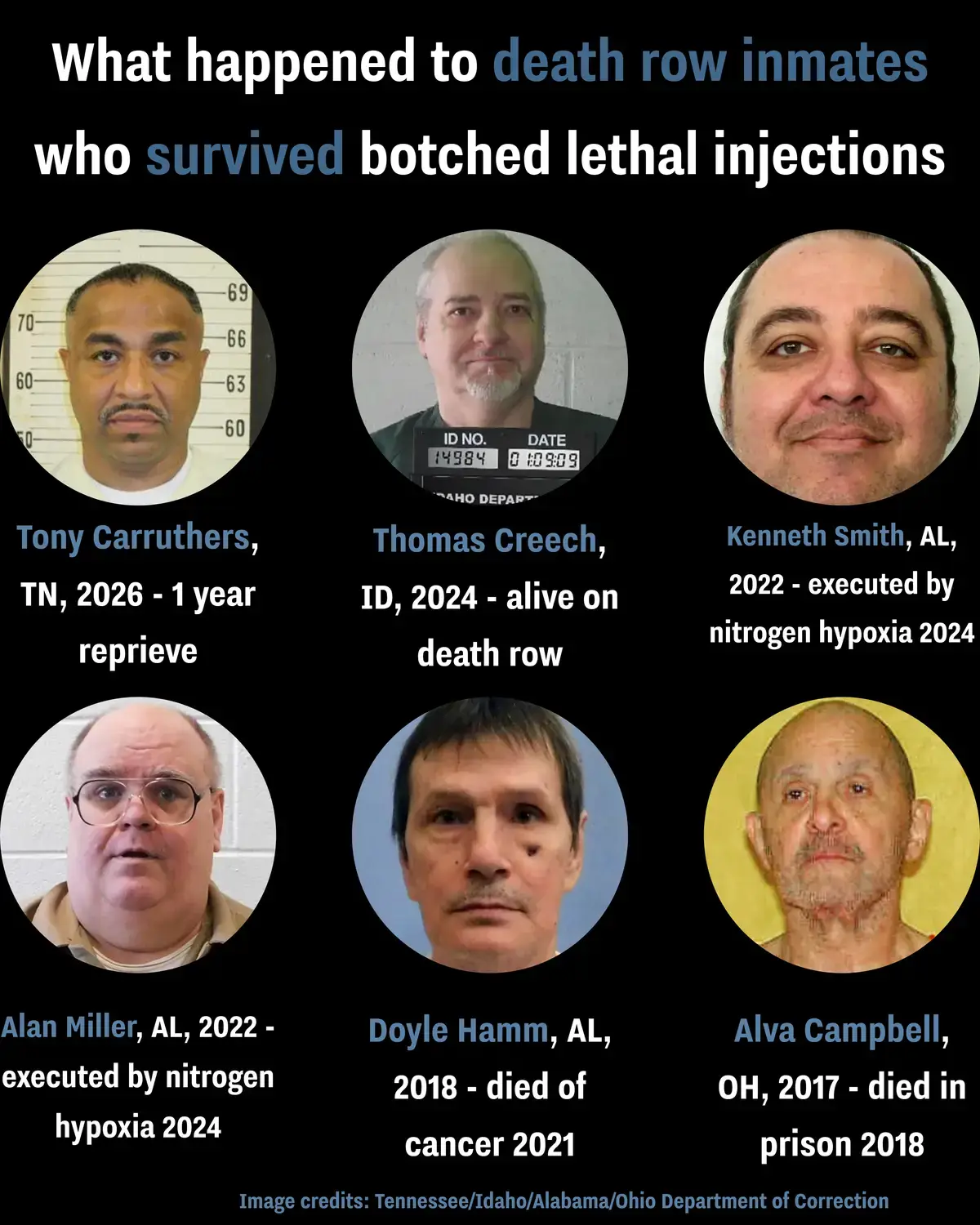
Botched executions are not unprecedented, though Pike’s case appears unique in its outcome. In May 2026, Tony Carruthers was spared when a medical team failed to establish an IV line; his execution was rescheduled for May 2027. Idaho death row inmate Thomas Creech survived after executioners attempted eight times to find a vein. In both cases, the inmates were returned to their cells. Pike marks the first known instance of someone receiving full lethal doses and remaining alive.
Pike was convicted of torturing and killing Colleen Slemmer, a fellow Job Corps student in Knoxville, in a crime prosecutors said stemmed from jealousy over a romantic rival. Slemmer was beaten with a asphalt chunk and a box cutter before Pike and an accomplice left her body on a wooded path. A piece of skull was later found in Pike’s jacket pocket. The brutality of the 1995 murder drew national attention and sealed Pike’s place as one of the few women on death row.
Pike’s condition and prognosis have not been publicly disclosed, and Tennessee officials have declined to detail what medical interventions are being attempted or whether the state intends to seek a third execution date.