

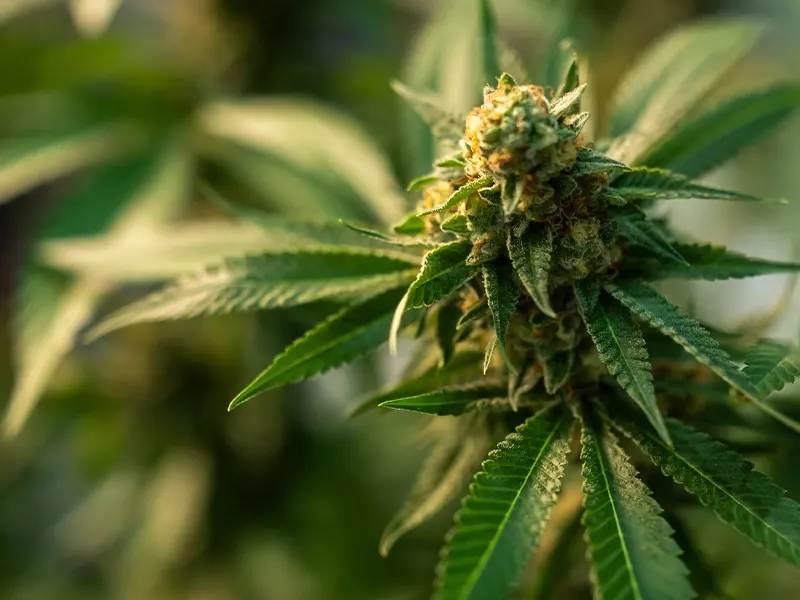
Social media users have recently begun sharing harrowing accounts of an increasingly common cannabis-related condition that some describe as worse than childbirth. Called “scromiting,” a colloquial term combining screaming and vomiting, the medical condition is technically known as Cannabinoid Hyperemesis Syndrome, or CHS. Chronic marijuana users on platforms like TikTok have been documenting their experiences with the painful and sometimes debilitating episodes that have prompted many to seek emergency room care.
“This s–t’s wild, it’s some of the worst physical pain I’ve ever experienced in my life, and I birthed him, a 9-pound baby,” one TikTok user said while pointing to her son, referring to the pain of a CHS episode. “I was crying and screaming, like I can’t take this anymore, I’m just begging God, please make it stop.”
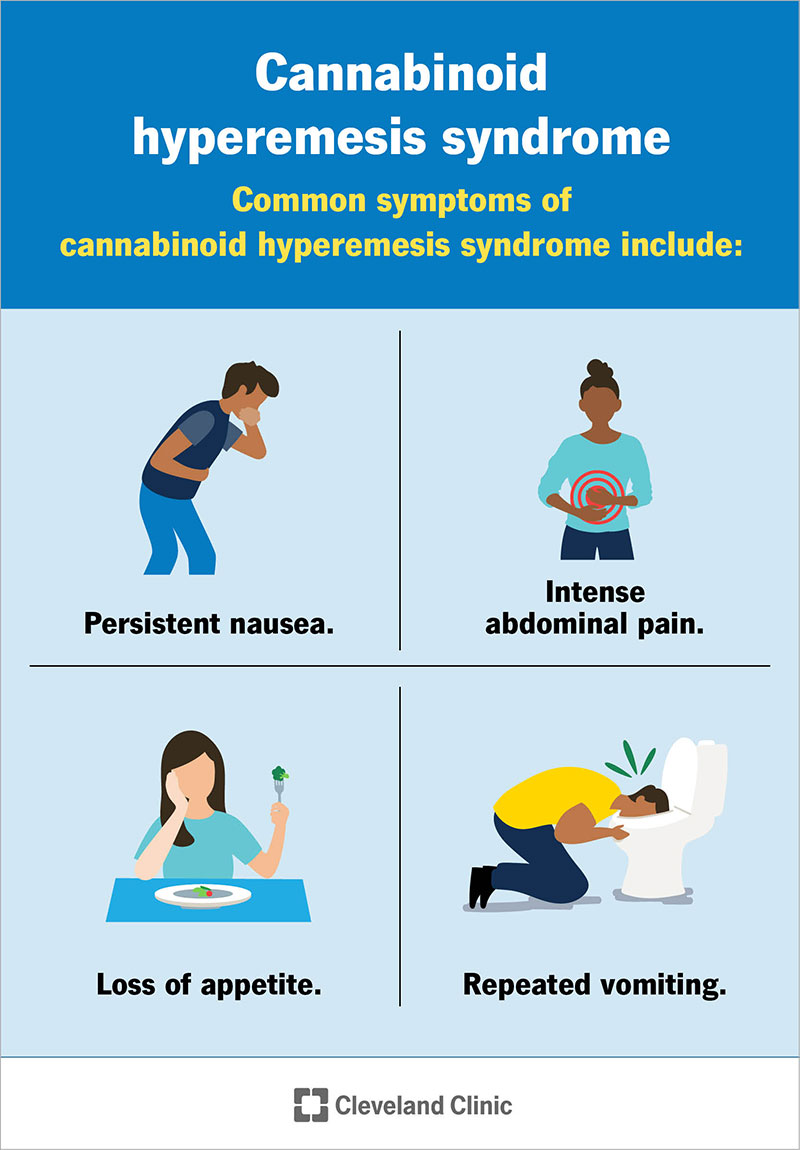
The condition manifests as cycles of severe nausea, vomiting, and intense abdominal pain that can be incapacitating. Episodes can last anywhere from 24 to 48 hours, with sufferers reporting vomiting up to 30 times a day in severe cases. For some, the symptoms persist for years, with only brief periods of relief. One TikTok user reported being unable to eat or drink for a week and vomiting continuously after developing the condition from smoking marijuana three to four times daily for more than four years.
Medical professionals first documented this paradoxical condition in 2004 when Australian researchers published findings about chronic marijuana users experiencing recurring episodes of abdominal pain and retching. What made the discovery particularly puzzling was that cannabis has long been known for its anti-nausea properties, yet in some heavy users, it appears to trigger the opposite effect. When CHS emerges, it does so after years of sustained cannabis use and typically affects those consuming marijuana daily or multiple times weekly.
The mechanisms behind CHS remain incompletely understood, but researchers believe that chronic, high-dose exposure to THC disrupts the brain’s normal ability to regulate nausea and vomiting. This appears to involve overstimulation of cannabinoid receptors and activation of pathways that normally suppress nausea, creating a paradoxical effect where the drug itself becomes a trigger for extreme vomiting and abdominal pain.
One distinctive and diagnostic feature of CHS is a compulsive need to bathe in extremely hot water. Users have reported that hot showers or baths provide temporary relief from symptoms, though the relief typically lasts only as long as they remain in the heat. The moment they cool down, often within minutes, symptoms return full force. This behavior is so characteristic of the condition that emergency physicians use it as a key diagnostic indicator, helping differentiate CHS from other gastrointestinal disorders.
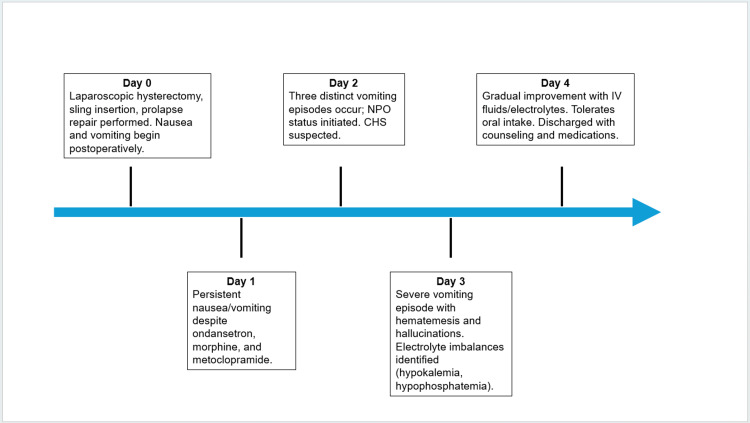
The condition can lead to severe dehydration and electrolyte imbalances, potentially becoming life-threatening in extreme cases. Emergency departments across the United States have reported a significant increase in CHS presentations, particularly among young adults. Research analyzing emergency department data from 2016 to 2022 found that CHS visits increased from 4.36 to 22.33 per 100,000 visits during that period, with numbers peaking during the COVID-19 pandemic at 33.06 per 100,000 visits. Studies from other regions have documented similar trends, with some areas reporting increases of 134 to 175 percent over an 11-year period.
Among those who experience CHS, the rates of emergency department visits are strikingly high. Surveys indicate that about 85 percent of people experiencing CHS symptoms report at least one emergency department visit, and roughly 44 percent have required hospitalization at some point.
The only proven long-term solution to CHS is complete cessation of cannabis use. While hot water bathing provides temporary symptomatic relief, and doctors can manage acute episodes with intravenous fluids and anti-nausea medications, these are merely palliative measures. Once someone stops using cannabis, symptoms typically begin to improve within days to weeks, though recovery can take longer for those who were chronic users. Symptoms can take months to completely disappear, and relapses are common if cannabis use resumes.
Despite the severity of the condition, some affected users have found a purpose in their experience. Former sufferers have turned to social media to raise awareness about CHS, becoming advocates for cannabis cessation. “Smoking nearly killed me,” one former user shared, noting that they had been sober for more than six months. “The only thing to stop the reoccurring sickness is you have to stop smoking.”
As cannabis legalization continues across the United States and cannabis products become more potent and widely available, emergency medicine physicians warn that CHS awareness among both users and medical professionals remains critically low. Many patients receive extensive testing and multiple emergency room visits before CHS is even suspected, leading to unnecessary costs and delayed proper treatment. Medical experts emphasize that anyone experiencing repeated, unexplained vomiting combined with regular cannabis use should discuss the possibility of CHS with their healthcare provider.