

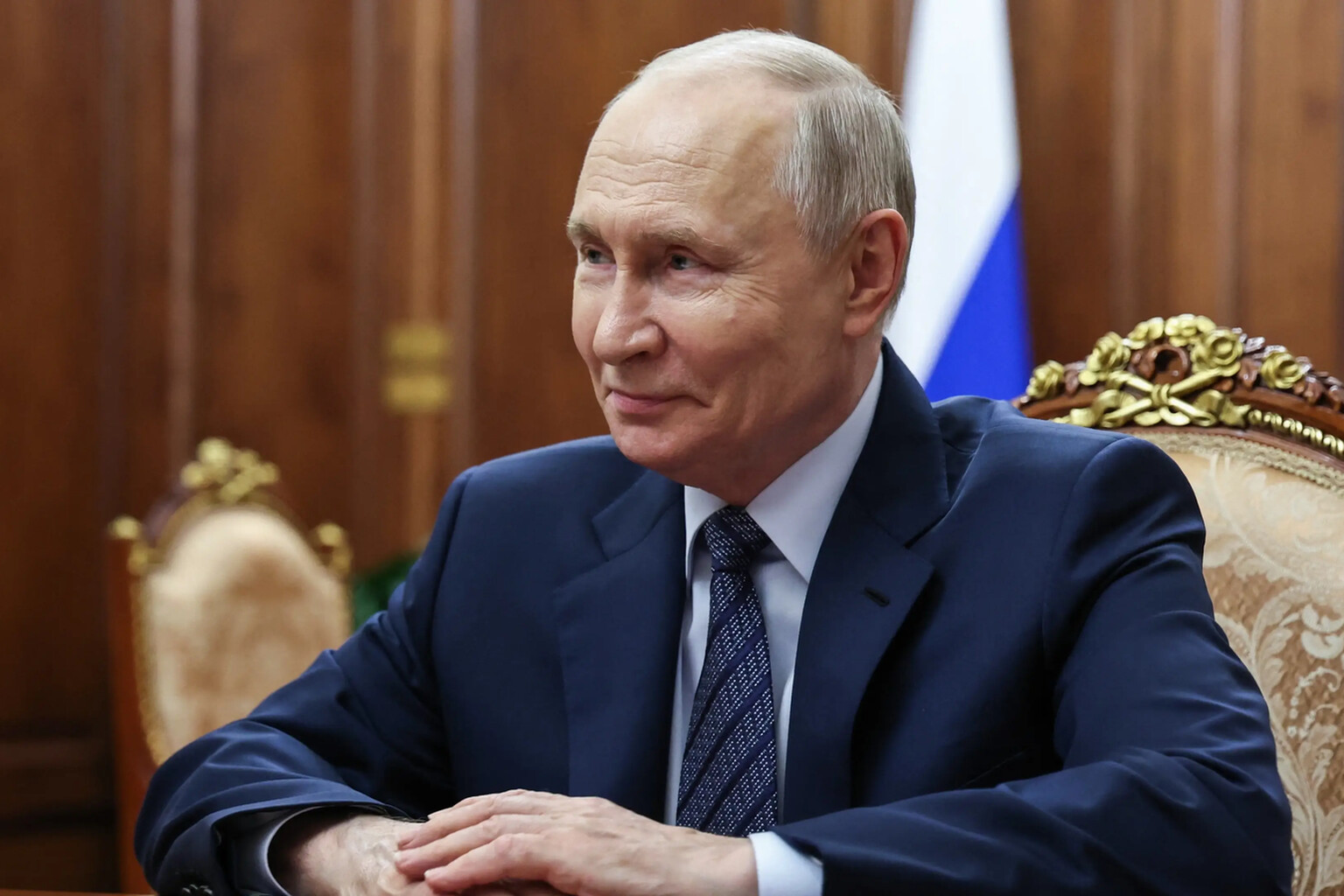
A reported CIA warning that Russia may be preparing drone strikes against tourist hubs in southern Europe has put Spain, France and Italy on alert.
The alleged intelligence assessment, first reported by Spanish newspaper El Mundo, identifies the three NATO countries as potential targets for explosive-carrying Gerbera drones launched from merchant ships in the Mediterranean. A source close to Lithuania’s Ministry of Defence told the outlet that several European governments had received information about the suspected plans.
The reported warning has not been independently verified.

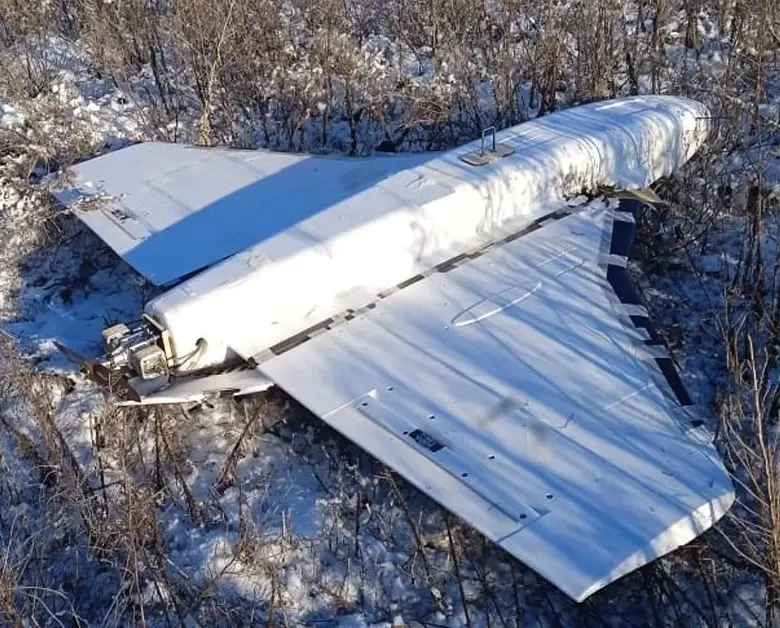
The Gerbera drone associated with Russia’s war in Ukraine is a relatively small aircraft with an estimated range of up to 600 kilometers and a top speed of around 160 kilometers per hour. According to the reported assessment, it could carry an explosive payload weighing approximately four to five kilograms. Lithuanian authorities reportedly believe the devices could be used to start fires, damage exposed equipment or temporarily shut down a port or airport.
Lithuanian Foreign Minister Kęstutis Budrys addressed the concerns on Wednesday while speaking to the outlet on the sidelines of the United Nations General Assembly in New York.
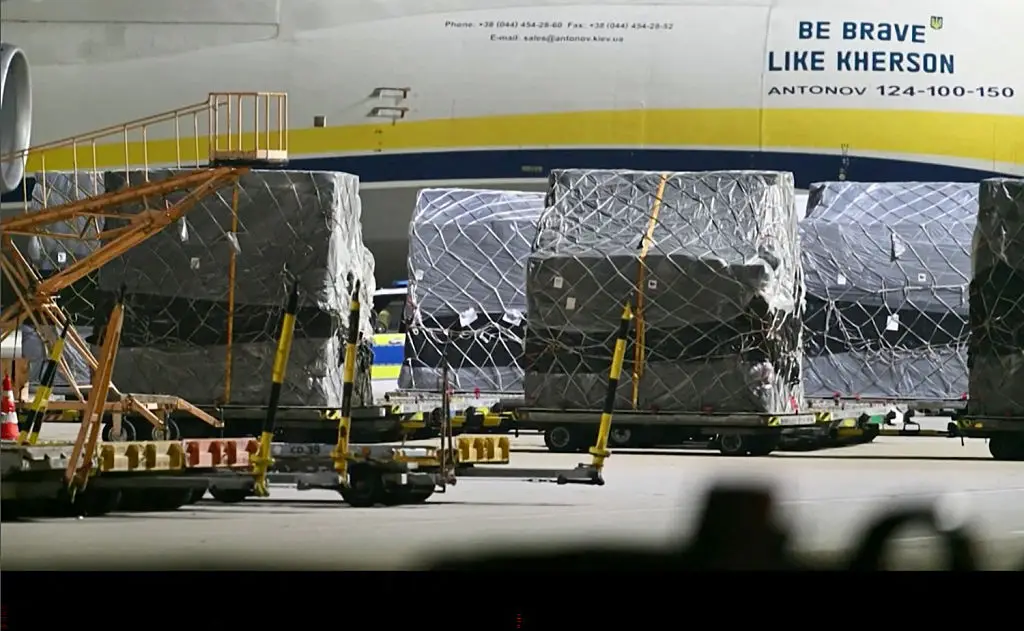
“There are some considerations on the Russian side to escalate horizontally, so to say, or geographically,” Budrys told the news agency.
The alleged timing of the warning carries political weight. El Mundo reported that Spain, France and Italy are all scheduled to hold elections or political campaigns in 2027, and the presence of groups opposed to continued support for Ukraine could create openings for Russia to exploit public discontent. The outlet linked the reported intelligence to CIA Director John Ratcliffe’s visit to Moscow in late August.
Denmark’s defence intelligence service added to the alarm Thursday with a threat assessment warning that Russia could intensify hybrid warfare against Western countries and NATO in coming months. The assessment said such attacks could become more frequent and carry greater consequences for affected nations.
EU foreign policy chief Kaja Kallas said Russia was “trying to scare Europe into winding down its support for Ukraine.” Polish Foreign Minister Radoslaw Sikorski said hybrid attacks were already taking place.

Not all officials share the same threat reading. Estonia’s Foreign Minister Margus Tsahkna said there was no indication that Russia was preparing for direct military aggression against NATO or European countries.
The Kremlin has consistently denied carrying out sabotage operations in NATO countries or preparing for confrontation with the alliance.
Recent incidents across Europe have amplified anxieties. Germany identified a Belarusian citizen and a Russian national linked to Belarusian military intelligence as the main suspects in an alleged drone attack at Leipzig/Halle Airport in August. Poland reported a brief incursion into its airspace by a Russian Mi-8 helicopter from Kaliningrad. Polish officials have also raised concerns about a fire at a Starlink communications station, though Russia’s responsibility for that incident has not been established.

The reported drone threat fits into what European officials describe as Russia’s expanding campaign of hybrid warfare, encompassing sabotage, cyberattacks and other pressure tactics that fall short of conventional military conflict.
Budrys’s remarks at the UN came as allied intelligence agencies increasingly share assessments about potential Russian escalation against NATO’s southern flank.