

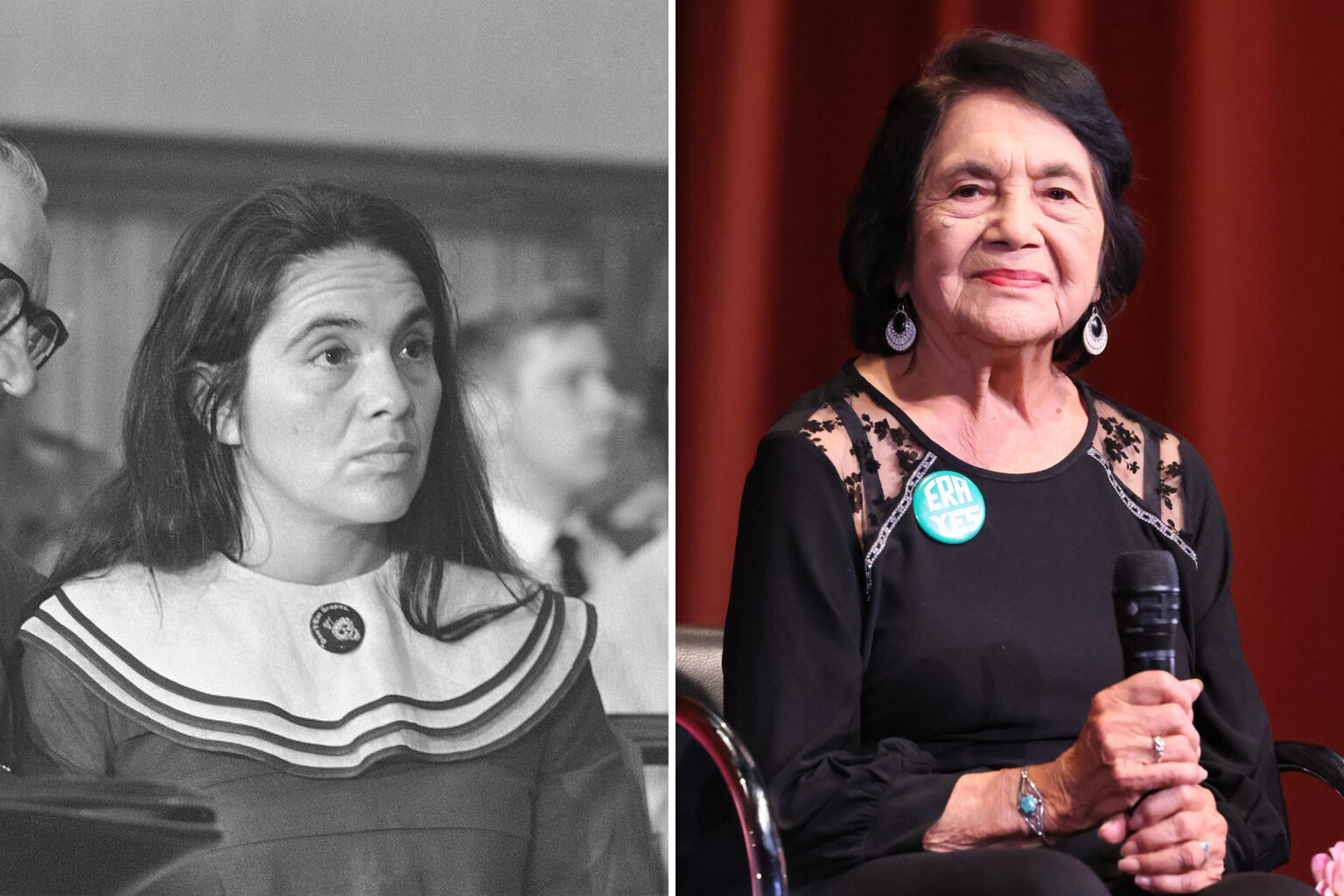
Dolores Huerta, the storied labor organizer who in March publicly accused César Chávez of raping her, has died at 96.
Her family announced the death in a Facebook post, writing, “We are deeply saddened to announce that our beloved mother, Dolores Huerta, has passed away today at the age of 96.” The post added, “As you can imagine, this is an incredibly difficult time for us, and we ask for privacy as we grieve this incredible loss to our family.”
The family noted that supporters worldwide shared in their mourning and promised to follow up on plans to recognize and celebrate her life and legacy.
Huerta’s death comes mere months after she shattered long-held silence about abuse she said she suffered at the hands of Chávez, the farmworker movement icon who died in 1993. In the outlet investigation published in March, Huerta, then 95, detailed two assaults she said occurred decades apart during the height of the California labor struggle.
She described the first encounter as occurring in 1960 during a work trip to San Juan Capistrano in Southern California. Chávez pressured her to have sex with him in a hotel room, she said. She felt unable to refuse “because he was someone that I admired, my boss and the leader of the movement I had already devoted years of my life to.”
Six years later, in 1966, Huerta said Chávez raped her inside a vehicle on a winter night in Delano, California, the Central Valley town that served as headquarters for the grape strike and boycott he led.
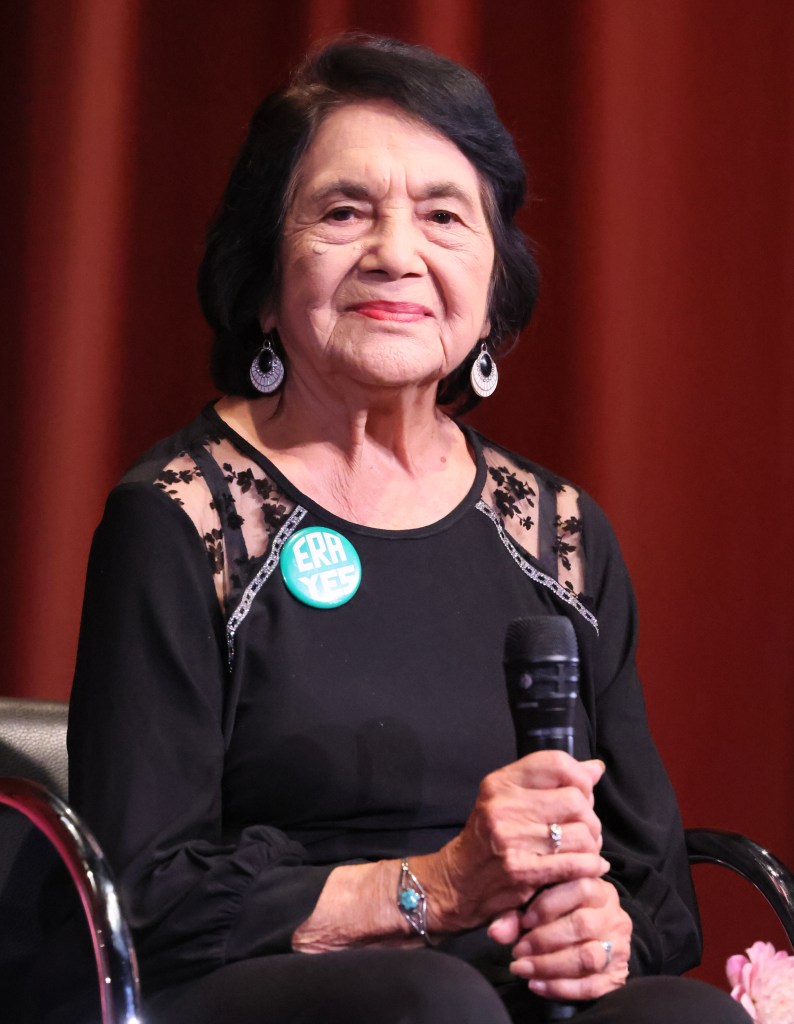
She never reported either assault to police. She cited hostility toward the farmworker union movement and her belief that no one inside the organization would credit her account.
The Times investigation also found that Chávez sexually abused Ana Murguía and Debra Rojas when they were girls in the 1970s. Both women told the newspaper the encounters traumatized them and contributed to mental health disorders they developed.
The publication of Huerta’s claims convulsed California institutions that had long honored Chávez’s memory. Celebrations bearing his name were canceled across the state. Statues came down. His name was stripped from street signs, schools, and buildings.
Huerta had spent decades as one of the most visible faces of the farmworker movement she built alongside Chávez, co-founding what became the United Farm Workers and coining the movement’s enduring slogan, “Sí se puede.” Her organizing work stretched back to the 1960s and 1970s, the same era she now said masked systematic abuse by its most celebrated leader.
The family’s Facebook post acknowledged the global scope of grief expected in response to her passing. “We know that many of you around the world share in our mourning,” they wrote.
Chávez, who died in 1993 at 66, had been revered for decades as the driving force behind major California labor actions that brought national attention to farmworker conditions. The March investigation fundamentally disrupted that legacy, with Huerta’s stature as a movement co-founder lending particular weight to her accusations.
The fallout extended well beyond symbolic gestures. California legislators moved to rename César Chávez Day, the state holiday observed each March 31, as the abuse allegations prompted widespread reexamination of how Chávez was commemorated in public spaces.
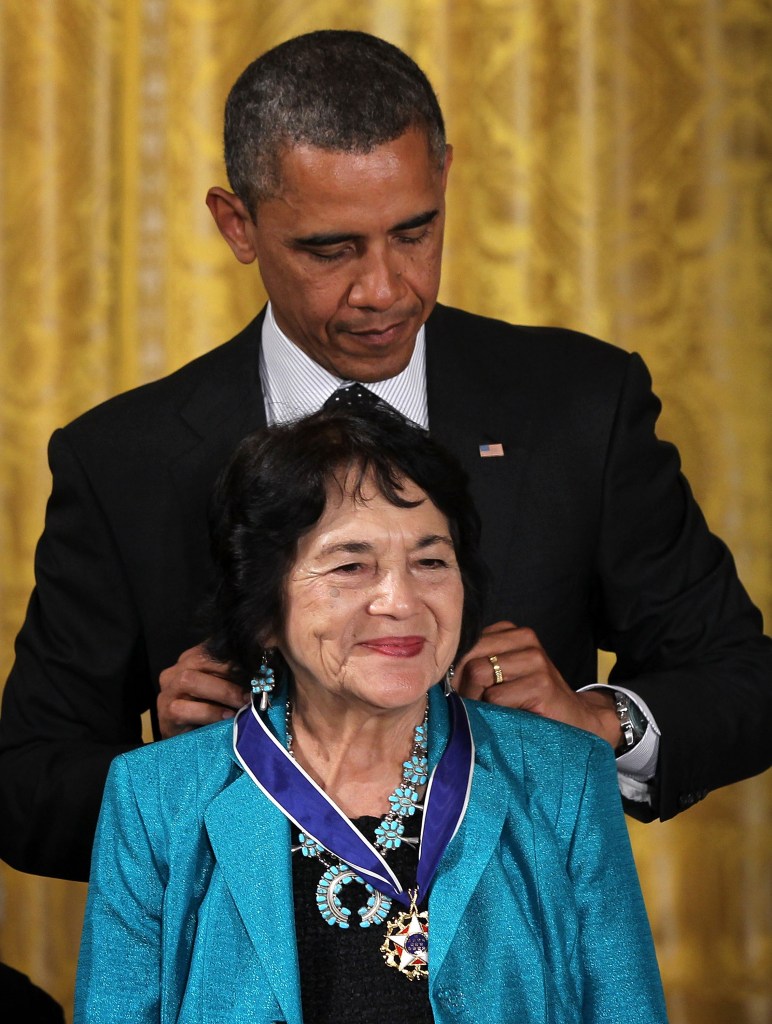
Huerta’s decision to speak out at 95 capped a lifetime of advocacy that had earned her the Presidential Medal of Freedom and established her as an enduring figure in American labor history. The abuse she described spanned the very years of her most intensive organizing work, framing her public achievements against private trauma she said she carried for more than half a century.
The family has not announced funeral or memorial arrangements.