

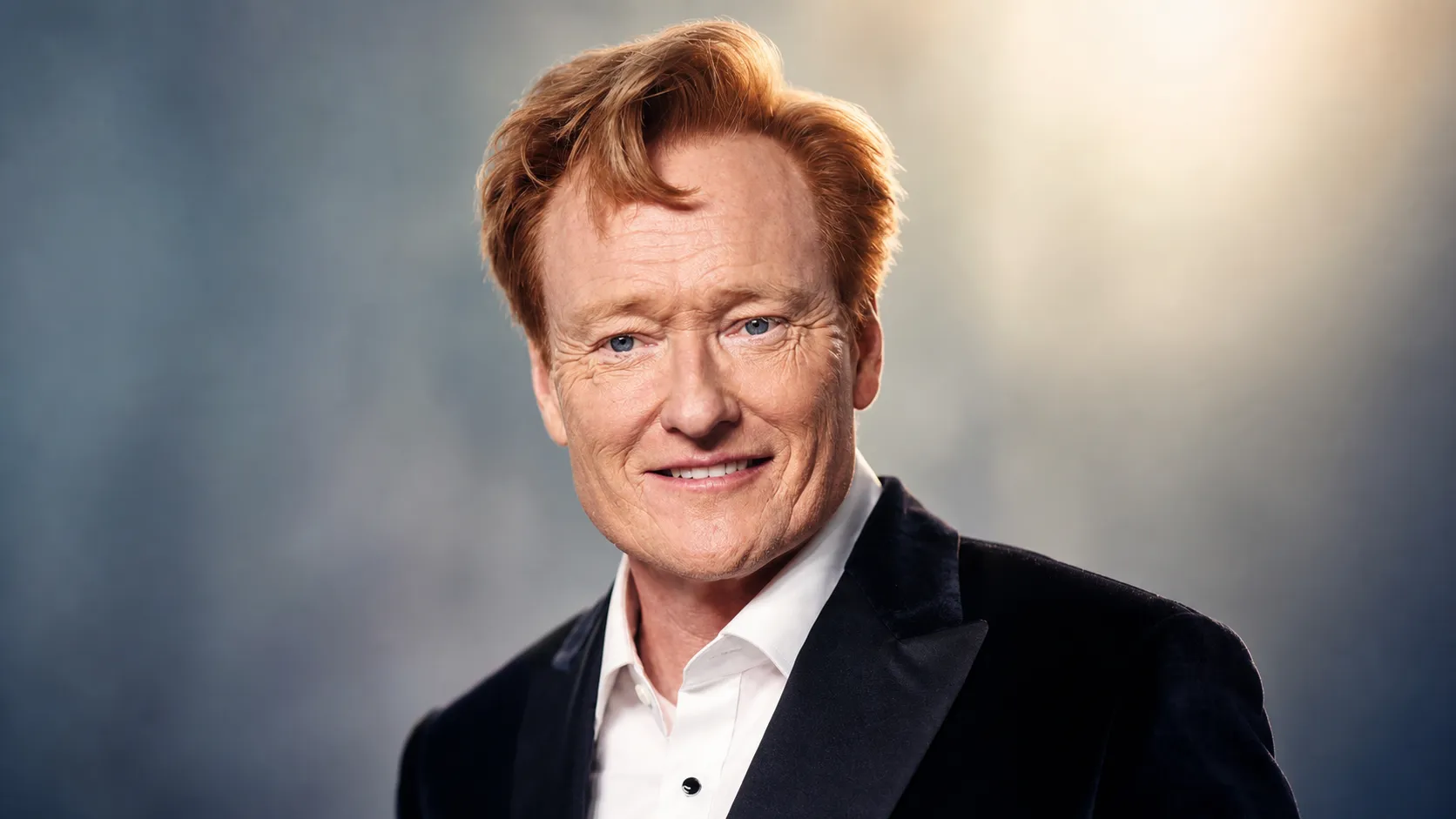
Conan O’Brien has spoken about an unexpected change he’s noticed with age, joking that it may be linked to what is sometimes called ‘male menopause’.
Hormone levels naturally shift over time, but the effects vary widely from person to person. In men, testosterone levels tend to decline gradually with age, and some people notice changes in energy, mood, sex drive, muscle mass or motivation, though not everyone has symptoms.
For people with ovaries, menopause is a different process: it happens when ovulation and menstruation stop and estrogen levels fall more sharply, which can bring symptoms such as hot flushes, night sweats, mood changes, heart palpitations and muscle pain.
That difference is part of why doctors often avoid treating “male menopause” and menopause as the same thing. The term andropause is sometimes used to describe age-related testosterone decline, but it is not a formal diagnosis, and experts generally refer instead to late-onset hypogonadism or low testosterone when symptoms and blood-test results point to a medical issue.
O’Brien, 63, recently joked about how that shift may be affecting him.
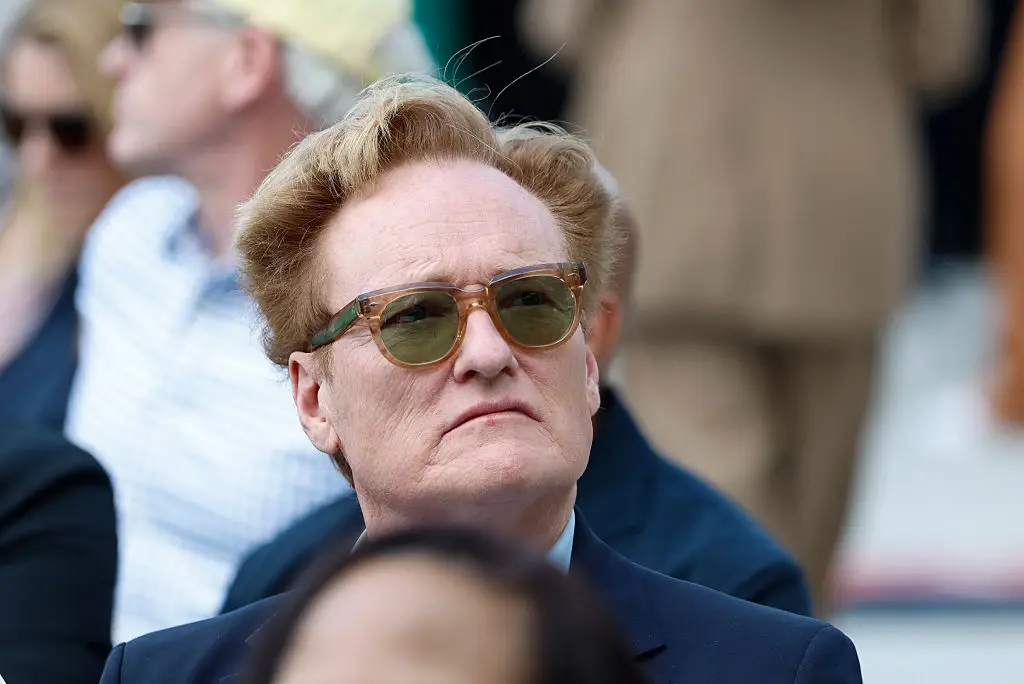
Speaking on his podcast, Conan O’Brien Needs a Friend, the comedian recalled a conversation with his late mother-in-law Pamela Powel, a psychoanalytic therapist. He had suggested that age had made him calmer and more thoughtful.
“My mother-in-law Pam, god rest her soul, she did say, I remembered once sort talking about how I think I’ve grown wiser over the years, I’m not as intense as I used to be, I was very focussed and very driven in my 20s and 30s and 40s,” he said in a clip from the podcast shared on social media.
“And I said I think I’m maturing.”
According to O’Brien, she quickly challenged that idea.
“She just said ‘no no your testosterone level has dropped’.”
He then added:
“I was trying to credit it all to wisdom, and and she was like, ‘No, no, no, you just have less of that asshole juice running through your body’.”
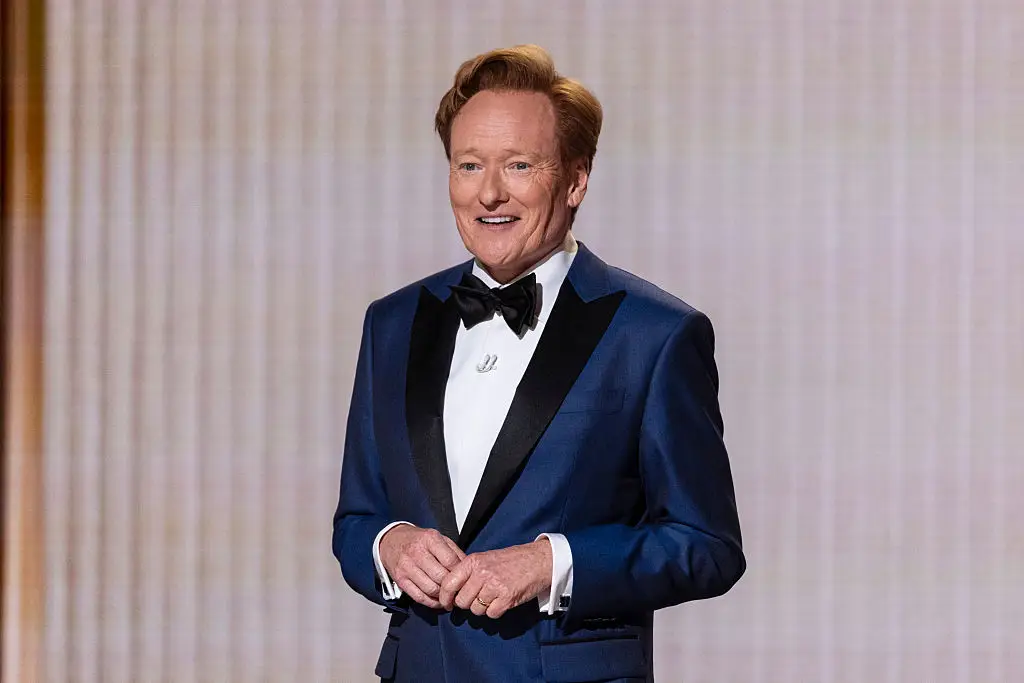
Lower testosterone can influence the body in several ways. Possible effects can include reduced energy, lower sex drive, erectile dysfunction, loss of muscle mass, decreased bone density, fuzzy thinking, and changes in mood or confidence.
That said, age-related testosterone decline does not automatically mean someone needs treatment. Medical experts say symptoms can also be caused by sleep apnea, obesity, thyroid problems, diabetes, depression or medication side effects, so a proper evaluation is important before assuming hormones are the cause.
There is also no exact equivalent of menopause in men. Menopause starts when ovulation and menstruation stop, and the hormonal drop can be more abrupt, while age-related testosterone decline in men is usually slower and more gradual.
When menopause symptoms are severe, hormone therapy can help some people manage hot flashes, sleep disruption and other issues. Treatment depends on a person’s symptoms, medical history and overall risk profile.