

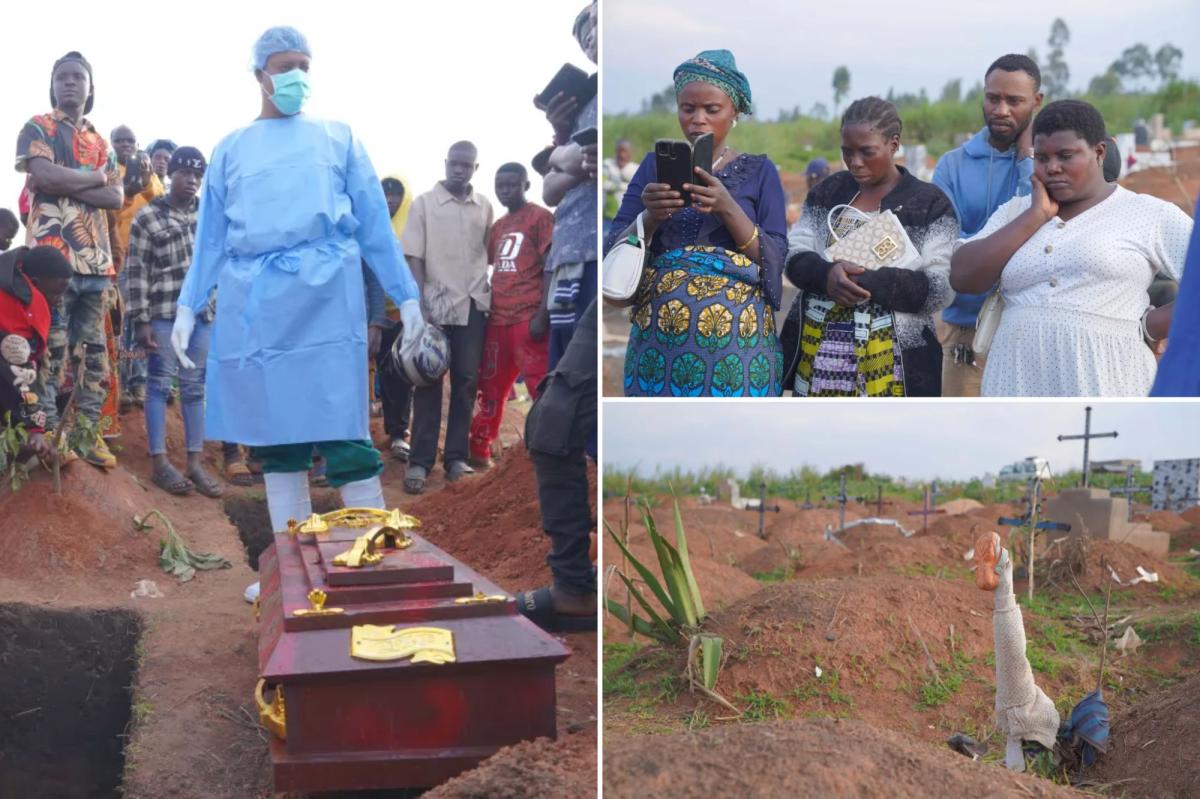
Congo’s Ebola outbreak has reached 5,000 cases as responders warn it is spreading faster than any previous epidemic.
Data from Congo’s Ministry of Health showed the outbreak had recorded 5,021 cases, including 2,378 deaths as of Sunday, as it rages in some of the most challenging conditions imaginable. The outbreak has infected and killed more people at a greater speed than any other outbreak in history, fueled by insecurity, displacement and intense population movements in one of the country’s remotest regions.
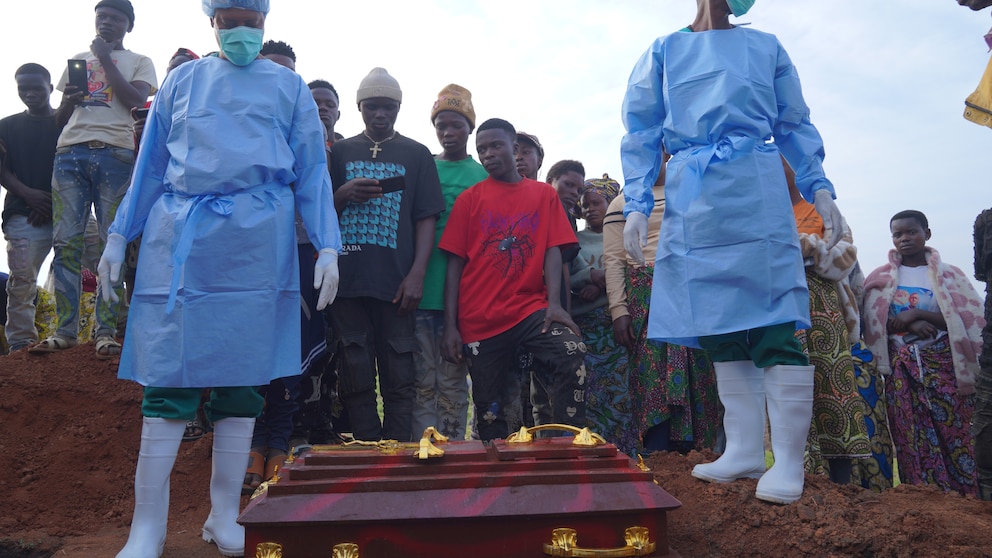
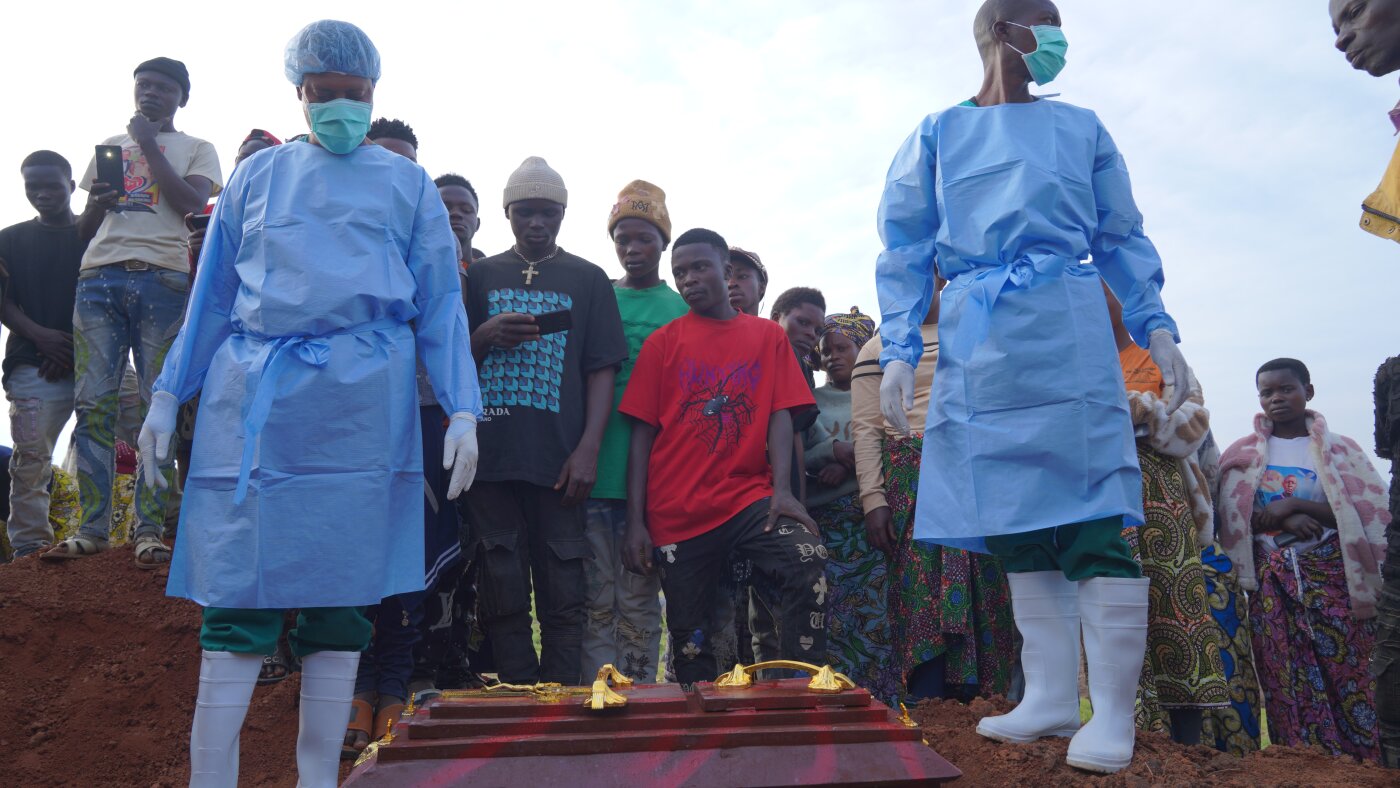
The World Health Organization estimates it will likely surpass the outbreak of 2014 to 2016 across West Africa, which was the deadliest Ebola outbreak on record with more than 11,000 deaths. Starting from the first detected case, the current outbreak has spread about three times faster than the deadliest on record.
“We must be frank: the epidemic is far from being under control,” WHO Director-General Tedros Adhanom Ghebreyesus said Tuesday at a meeting convened by the agency. The outbreak “has spread rapidly and the risk of further national and international spread remains high,” he continued.
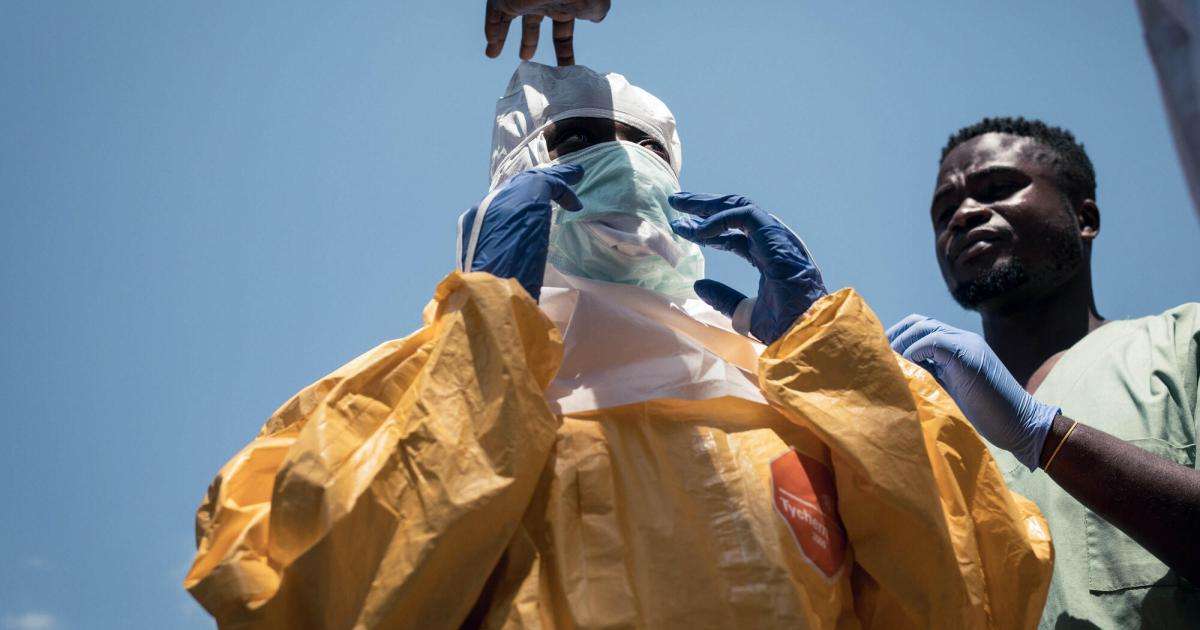
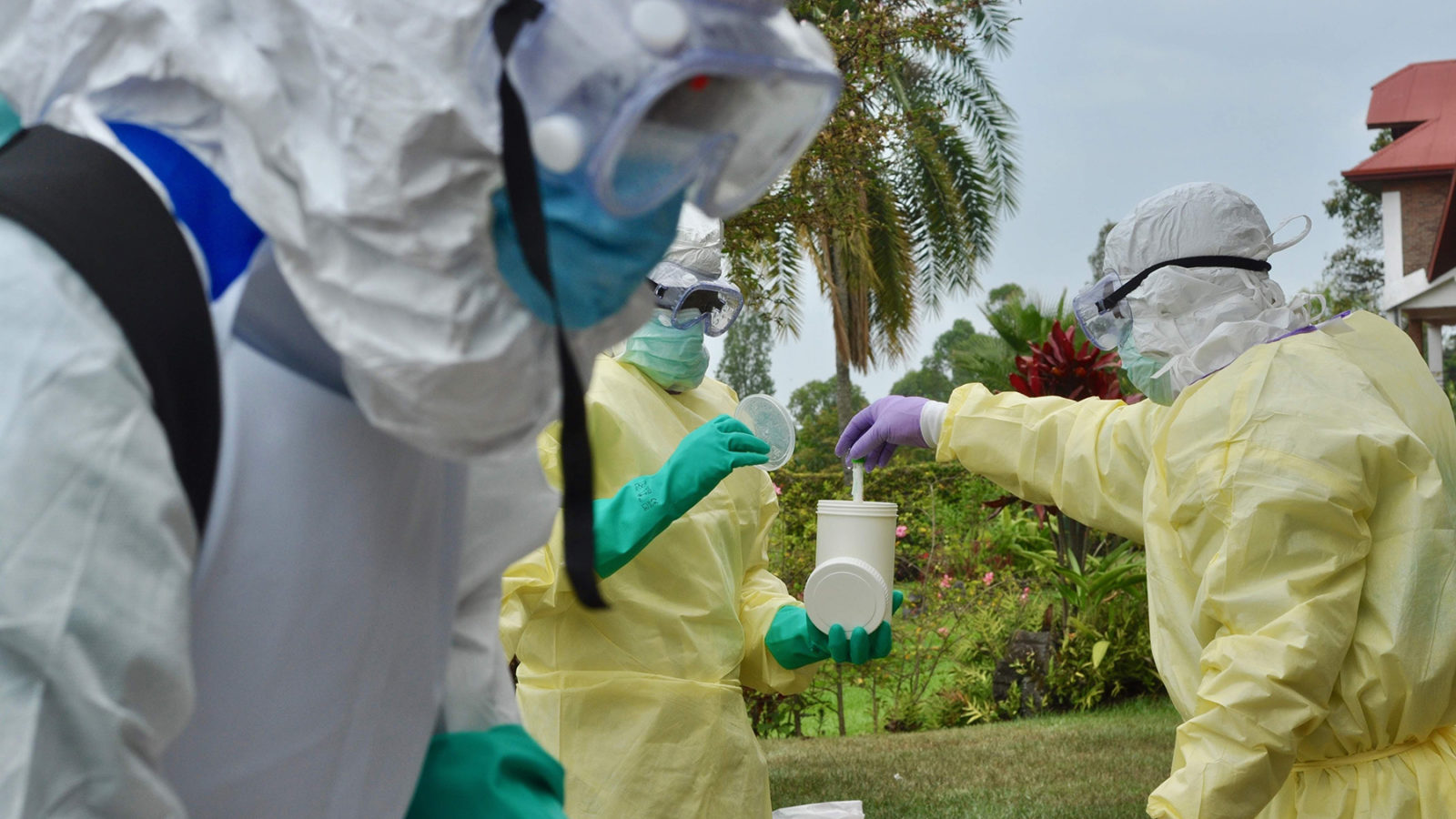
Thérèse Anyiya, a nurse working in Ituri’s capital Bunia, said she is exhausted by the work demands and poor working conditions. Some health workers have gone on strike after not being paid.
“If the managers don’t take things seriously, we too will end up withdrawing. The way this epidemic is being managed is exhausting,” Anyiya said.
A key challenge has been the lack of approved vaccines or treatments for the rare Bundibugyo virus, which is responsible for the current outbreak. Most new cases are being reported outside of the people being monitored, showing it has spread quickly and left surveillance teams racing to catch up.
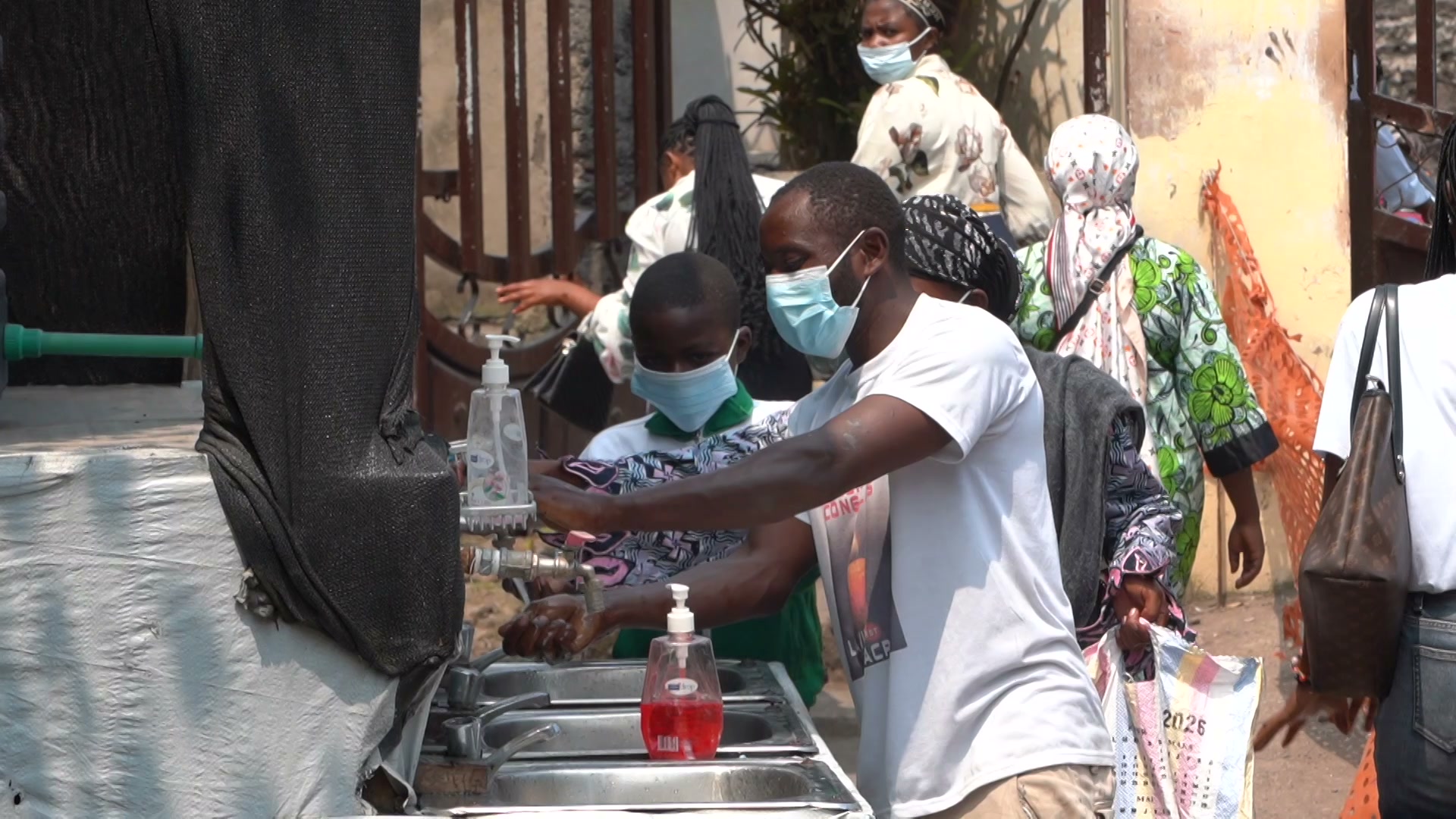
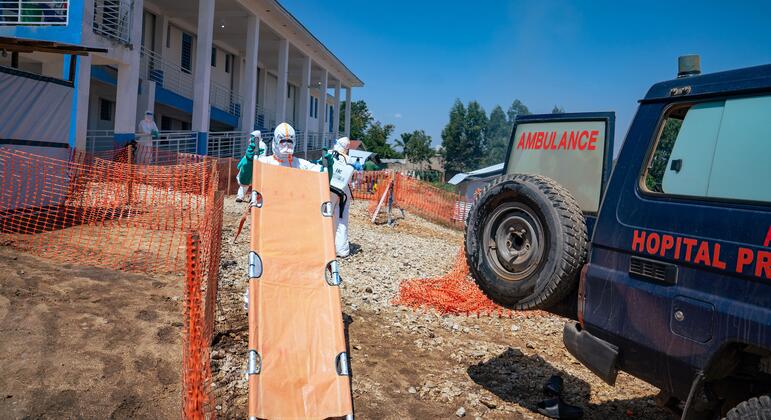
Dr. Martin Cwinyay, who is involved in the Ituri response efforts, explained it is “essential to bring the response closer to the people, particularly in rural, mining and displacement areas.”
Trish Newport, an emergency coordinator with Doctors Without Borders, known by its French acronym MSF, said not all the people in the impacted areas have the essential information they need.
“The community needs to be aware about the outbreak. They need to be involved in the response. They need to know what the signs and symptoms are and what to do if they get sick,” Newport said.
Experts believe the virus began spreading from the mining town of Mongbwalu as early as February, months before authorities declared the outbreak on May 15. Ituri, the province that has been hit the worst by the outbreak, has become a primary location for violence that has limited the response as health workers are targeted. Residents on Monday attacked a health team in the territory of Aru after a suspected case was reported there. A mob set fire to an ambulance and damaged two other vehicles, according to Michael Wani, president of the Union of Cultural Associations for the Development of Ituri.
Responders racing to catch up are also battling several other challenges, including threats by rebel groups, anger from communities that have been traumatized for years and bad roads into the affected territories. Although the 2014-2016 outbreak is considered the deadliest among the virus types that cause Ebola disease, government data shows this Bundibugyo outbreak has killed a higher percentage of people as care and support are not getting to patients quickly enough, while many are not reporting symptoms or doing so late.
The situation also varies across the six affected provinces. While the case fatality rate is so far 47.4%, it is far worse in some places where response efforts are more challenging, such as in North Kivu province, where the fatality rate is 70%.
The outbreak’s unprecedented speed became clear as case counts doubled in weeks rather than months, with health authorities scrambling to open new treatment centers and international agencies warning that the window for containment was narrowing rapidly. The convergence of armed conflict, mass displacement, and the absence of any licensed vaccine for the Bundibugyo strain created a perfect storm that has left even experienced Ebola responders struggling to keep pace.
WHO expects the outbreak to peak in about six months, with a worse scenario stretching nine to twelve months.