

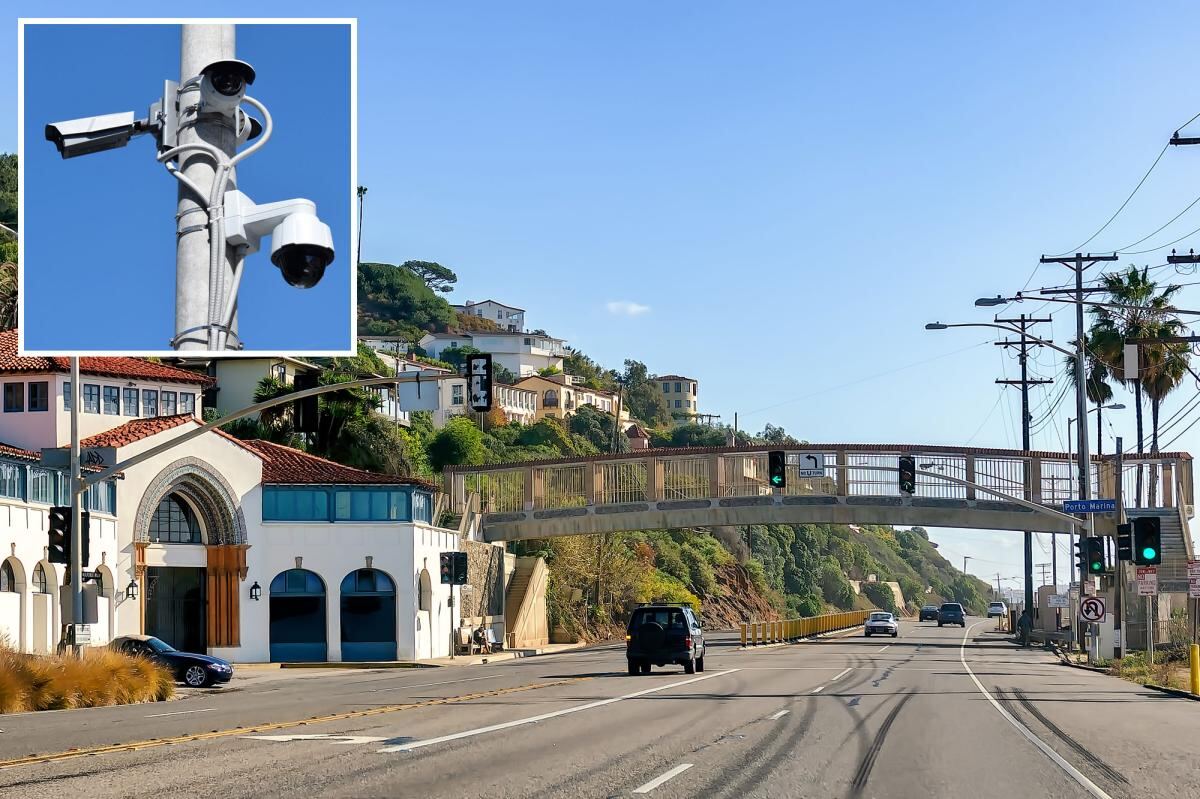
Malibu is rolling out speed cameras on Pacific Coast Highway after years of deadly crashes.
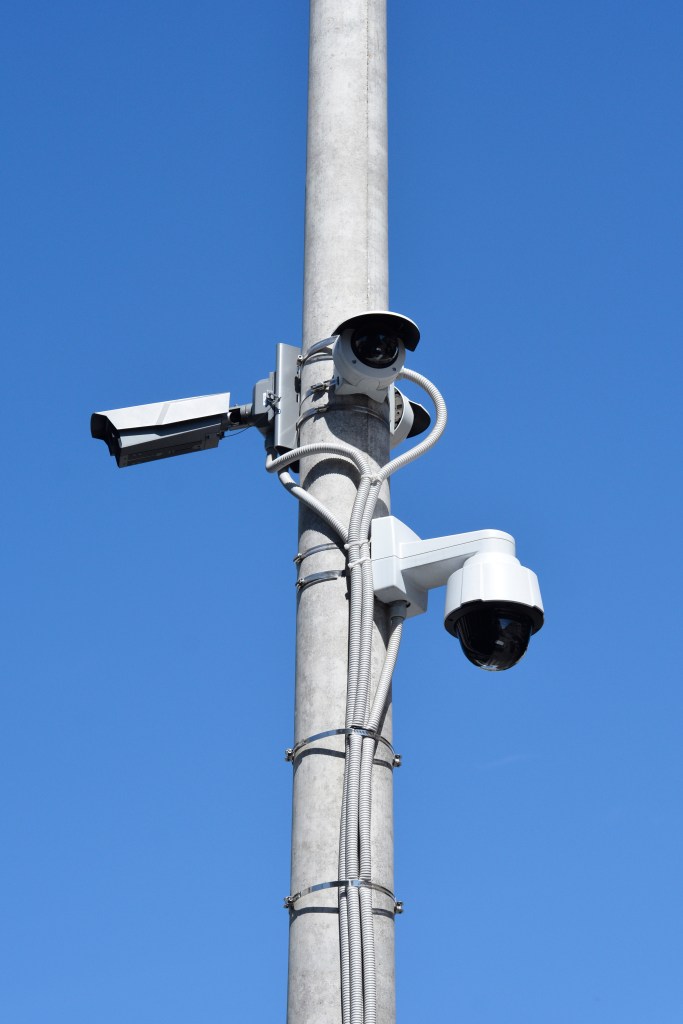
The coastal city has installed automated speed enforcement cameras along its 21-mile stretch of the iconic roadway as part of the PCH Speed Safety System, which city officials say is now nearing completion. Malibu Mayor Bruce Silverstein announced the program in a press release, framing it as a response to dozens of traffic deaths since 2010. Police have identified speed as the primary factor in a majority of injury collisions along that corridor.
“Our goal is to improve safety for everyone who uses Pacific Coast Highway, whether they are driving, biking, walking, visiting, or commuting through Malibu,” Silverstein said in the press release.
“We have seen unimaginable tragedy on Pacific Coast Highway caused by excessive speeding, and we must do everything we can to prevent future loss of life. This program honors those we have lost, protects those who use this roadway today, and encourages safer driving behaviors that save lives,” he added.
The system will not begin issuing actual citations until late November. An education and warning phase runs from Aug. 18 through late September, giving motorists a grace period to adjust. Once enforcement begins, drivers traveling 11 MPH or more above the posted speed limit will receive automated citations. The city is authorized to operate up to five camera systems with 10 total cameras within Malibu city limits.
Privacy concerns have trailed the announcement. Malibu emphasized that cameras will not retain data from non-violation events and that violation information will be deleted within 60 days. The assurance comes amid broader national backlash against automated traffic enforcement, particularly Flock cameras that have drawn criticism for holding detailed motorist data.
Drivers across the country have frequently criticized speed camera technology as invasive and revenue-driven rather than genuinely focused on safety. The debate has intensified as more municipalities adopt automated enforcement, with opponents arguing the systems function as cash grabs while supporters cite fatality reductions.
Malibu has positioned its program as a life-saving measure rooted in local tragedy. The city stated the camera system ultimately aims to encourage “safer driving behavior, reduce excessive speeding, and help prevent crashes, injuries, and fatalities.”
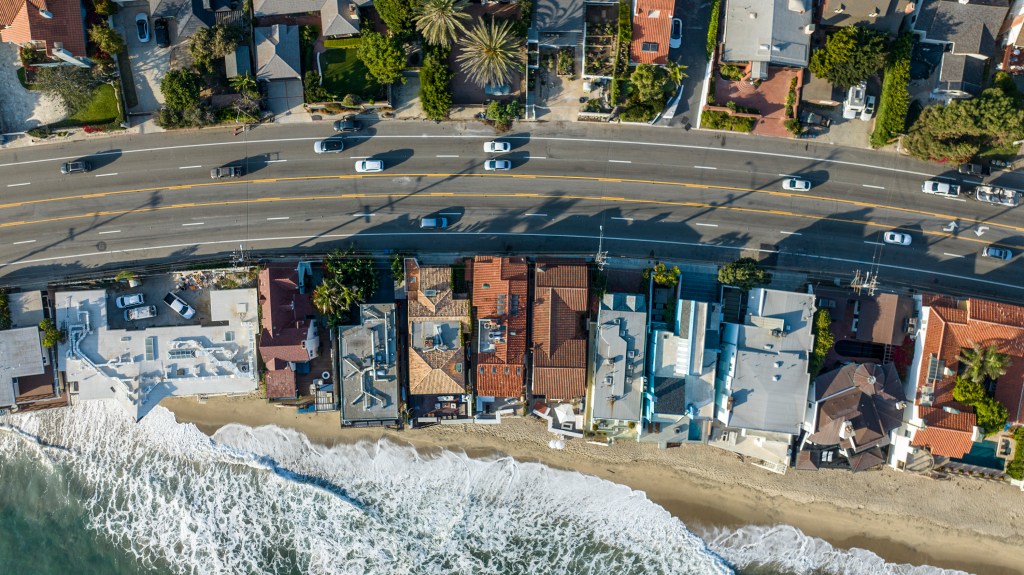
Pacific Coast Highway had become notorious for high-speed crashes and pedestrian deaths along its Malibu stretch. The 21-mile segment winds past beaches, celebrity homes, and popular tourist spots, drawing a mix of local commuters, sightseers, and through traffic. Dozens of people have died on that portion of road since 2010, with excessive speed repeatedly cited as the dominant cause. The fatalities have included pedestrians, cyclists, and motorists, prompting years of community advocacy for stronger enforcement measures.
The camera rollout places Malibu among a growing number of California jurisdictions testing automated speed enforcement, though the technology remains barred on state highways in many contexts without specific authorization. The PCH installation represents a local-level intervention on a route that functions as both a major thoroughfare and a global tourism icon.
The late November enforcement start gives the city roughly three months of warnings before tickets begin generating revenue or points. How motorists respond to the grace period — and whether speeding volumes drop — will likely shape the program’s early public reception.