

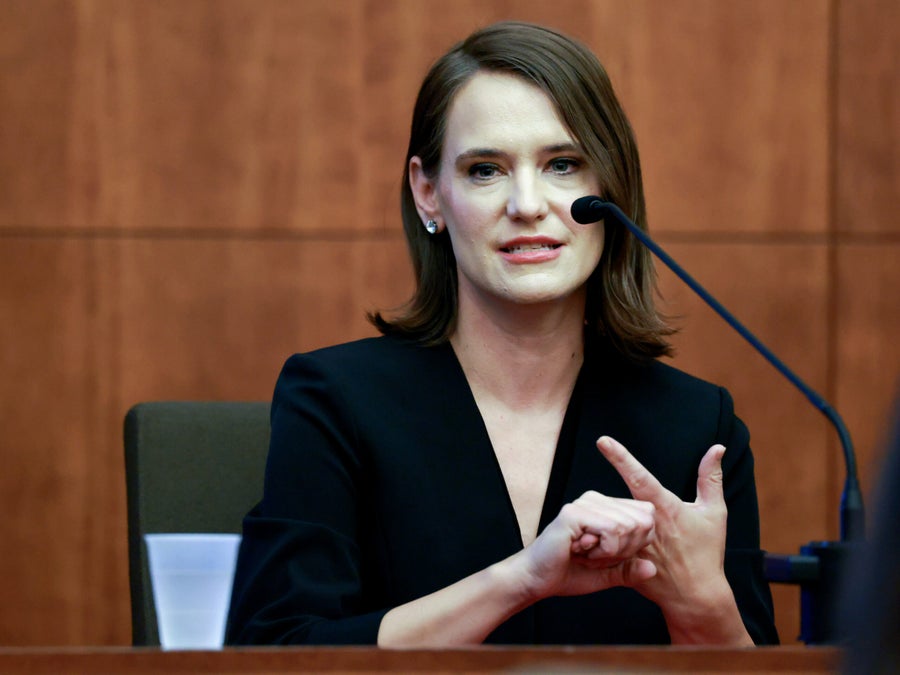
On Tuesday during day 11 of her murder trial, jurors heard that Lindsay Clancy, 35, reported having her “worst day” on December 15, 2022, with persistent intrusive thoughts of suicide but no active plan.
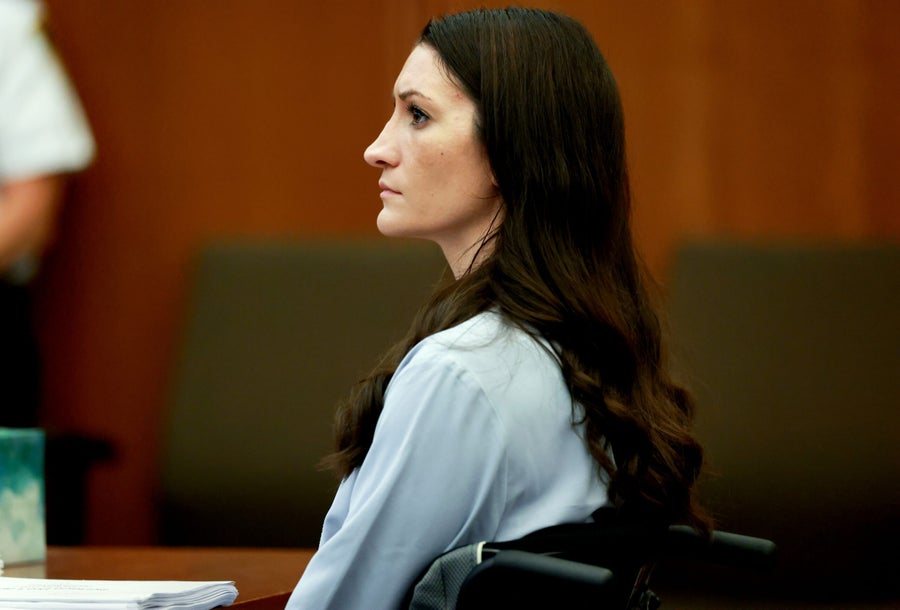
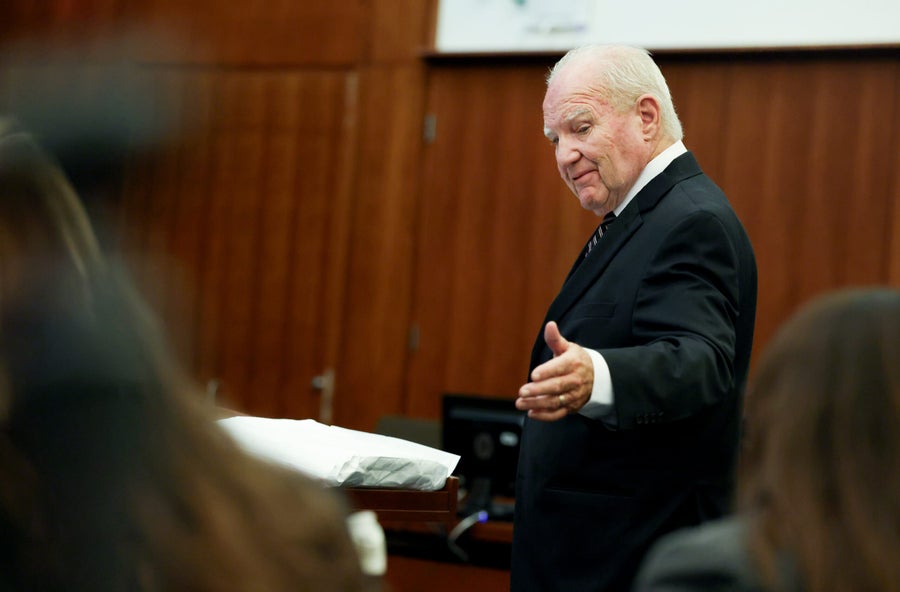
Rebecca Jollotta, a psychiatric nurse practitioner from South Shore Hospital’s Perinatal Behavioral Clinic, told jurors that Clancy and her then-husband Patrick called her on December 15, 2022 to say “this has been the worst day for Lindsay.”
Jollotta said Clancy was having persistent intrusive thoughts of suicide but no active plan, and that Clancy and Patrick agreed a higher level of care might be necessary.
They indicated they would likely go to the emergency room at Massachusetts General Hospital, where Clancy worked as a labor and delivery nurse.
Jollotta said she asked the couple to keep her posted and to sign a release form allowing her to communicate with Clancy’s other mental health care providers.
Jollotta created a plan to treat Clancy’s anxiety, depression and insomnia in late November into early December 2022, but nearly every day Clancy sought changes to the plan, saying the drugs were causing intrusive thoughts, insomnia and numbness.
Clancy also wrote that she was concerned about becoming dependent on benzodiazepines, writing: “It’s just a very scary stressful time for me, and starting new meds with side effects is very scary to me.”
Jollotta responded that she understood her concerns but advised that the medication takes several weeks to be effective.
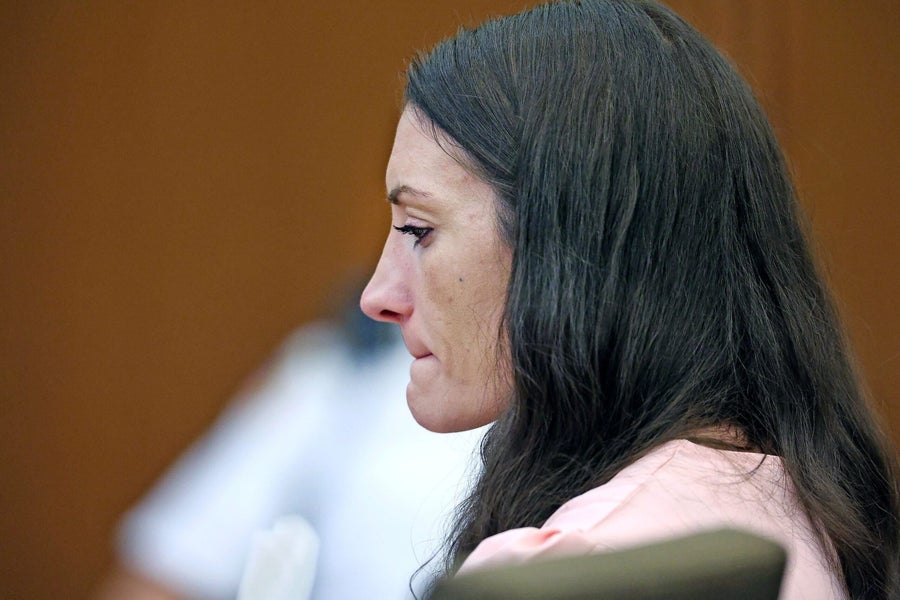
Jollotta considered whether Clancy’s lack of sleep was due to bipolar disorder, noting that during an in-person appointment on December 6, Clancy said her issues with insomnia first began after she took Zoloft, which kept her awake for 48 straight hours.
Jollotta described that as an “unusual” reaction to the medication and said it suggested Clancy might have an underlying bipolar disorder.
At a meeting on December 6, 2022, after raising the possible diagnosis of bipolar disorder, Jollotta testified: “I recall Patrick saying, ‘My wife is not bipolar.’ Lindsay looked at me; she did not say anything.”
Jollotta, who treated Clancy at South Shore Hospital and is named in Clancy’s malpractice lawsuit, said the young mother’s difficulty tolerating certain antidepressants and history of insomnia without tiredness raised red flags for a potential bipolar diagnosis.
Jollotta said Clancy did not display enough symptoms to qualify for a bipolar diagnosis, but the possibility remained on her mind in part because of Clancy’s strong adverse reactions to some antidepressants.
Jollotta said she believed Clancy would be attending an outpatient program at Women and Infants Hospital of Rhode Island for two weeks in December 2022, but defense attorney Kevin Reddington asked whether she knew that the hospital wouldn’t accept Clancy into the postpartum program “because of their concern she had been overmedicated by drugs.”
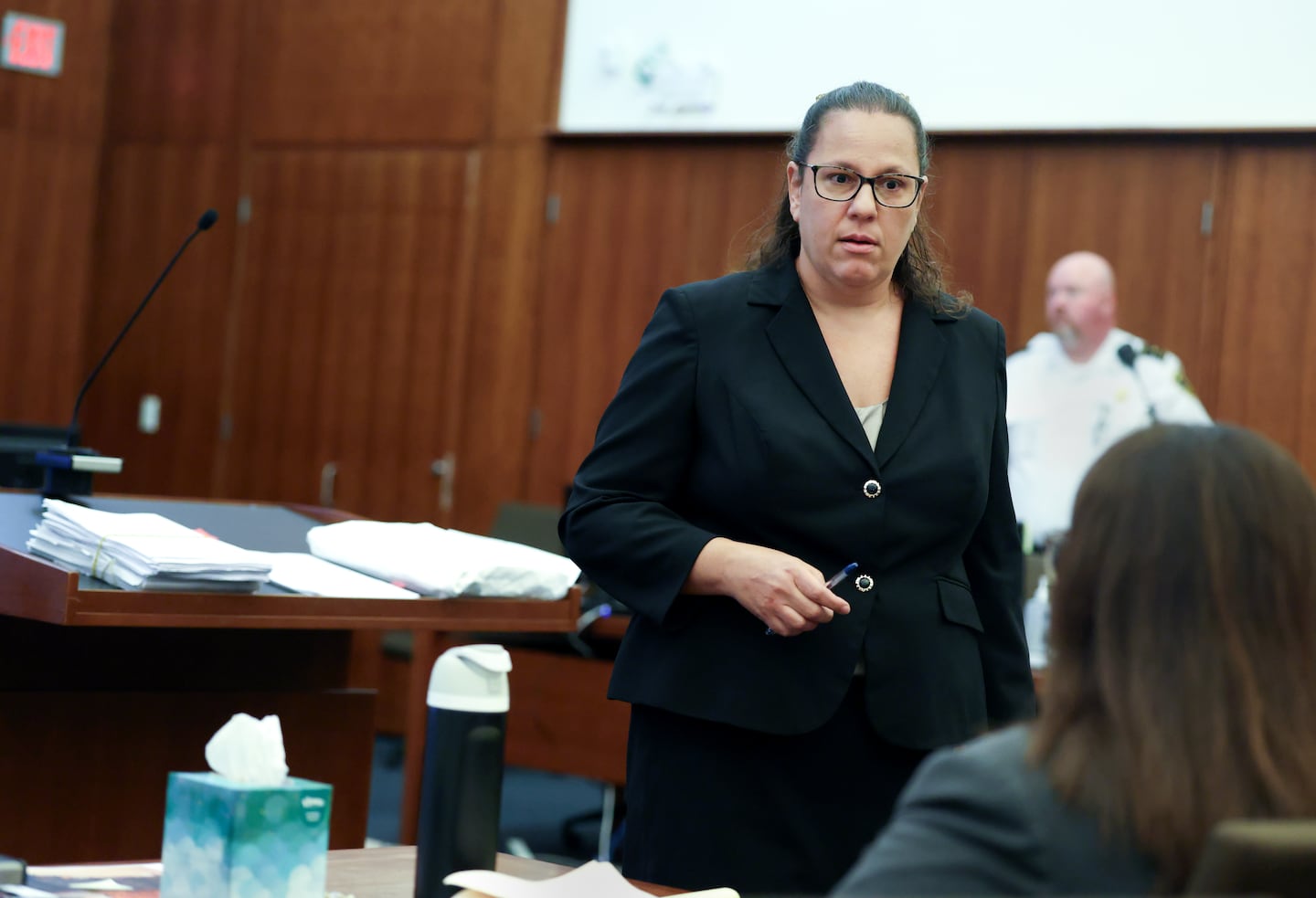
Reddington asked Jollotta if she knew that on December 20, 2022, Women and Infants noted they tried to reach Jollotta but did not receive a call back, and Jollotta responded: “I absolutely would have called them back.”
Jollotta said she did not know of the Women and Infants diagnosis that Clancy was overmedicated and suffering from depression due to adverse drug effects.
During cross-examination, Reddington turned to a December 9 phone call when Clancy reported intrusive thoughts, and asked Jollotta if she prescribed more drugs, noting Jollotta said she prescribed Valium and increased Clancy’s Seroquel to 400 milligrams.
In a later line of questioning, Reddington asked whether Jollotta remembered Patrick saying, “You’re turning her into a zombie,” and she said she did not recall.
Reddington has told the Boston Globe that Lindsay and Patrick “went to doctors repeatedly saying ‘Please help us.’ This was turning her into a zombie…the medications that were prescribed were over the top, absolutely over the top.”
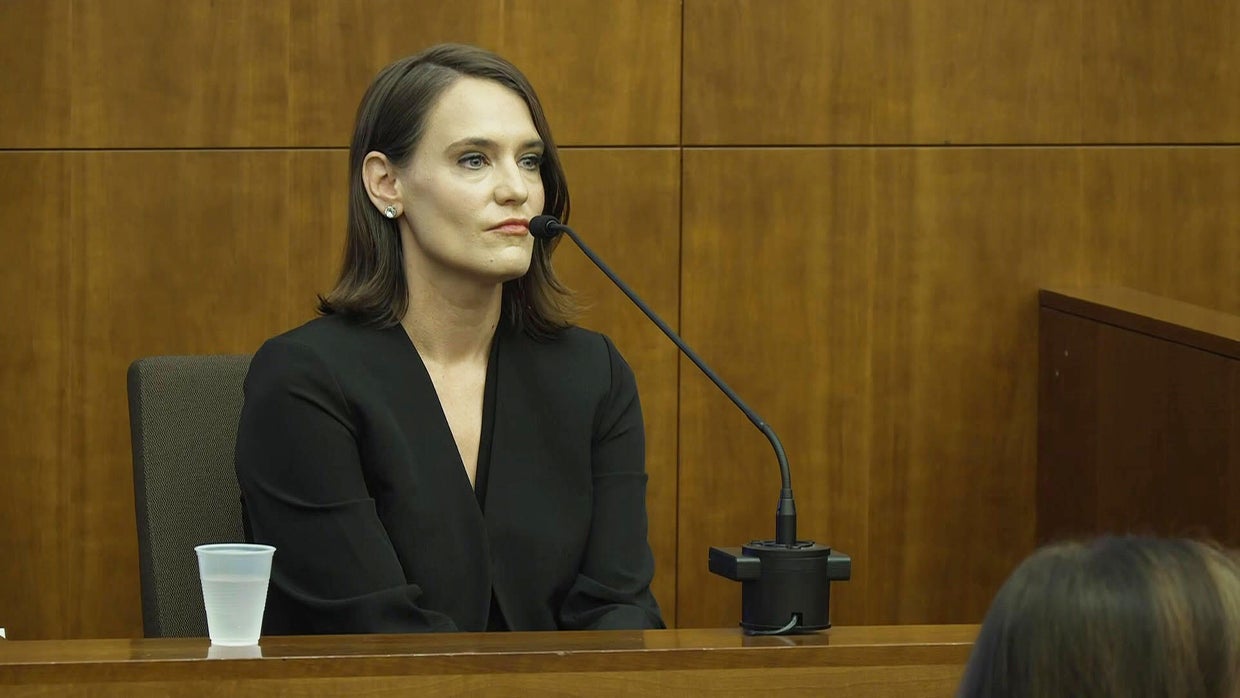
On redirect examination, prosecutors asked Jollotta about her experience treating patients with postpartum psychosis, and she testified she did not believe Clancy was suffering from the condition, noting that Clancy’s thinking remained “linear and goal-directed” and she did not report hallucinations or hearing voices during a key December appointment, and she acknowledged not every patient with postpartum psychosis necessarily hears voices but she did not see evidence of psychosis in Clancy.
Clancy’s attorney Kevin Reddington says she admits killing her children, but she shouldn’t be held criminally responsible because she was suffering from postpartum psychosis and bipolar disorder.
2023,
Clancy admitted to strangling 5-year-old Cora, 3-year-old Dawson, and 8-month-old Callan in the basement of their Duxbury home, after which she slashed her neck and wrists and jumped out a second-story window in a suicide attempt that has left her paralyzed.
Clancy, who turned 36 on Tuesday, has pleaded not guilty to first-degree murder in the deaths of her three children.
While she has admitted to killing the children, Clancy is claiming an insanity defense, saying that she was in the throes of psychosis, was overmedicated, and that her condition was misdiagnosed.
Her lawyers allege that between October 2022 and January 2023, she was overprescribed medications and misdiagnosed by experts who failed to recognize signs of bipolar disorder and postpartum psychosis, as Clancy’s symptoms continued to worsen.
Her attorneys argue that Clancy did everything she could to get treatment, but her clinical course was complicated by “polypharmacy and the involvement of multiple prescribers,” meaning no single provider had a complete picture of her rapidly deteriorating mental state.
Clancy has since been diagnosed with bipolar disorder.