

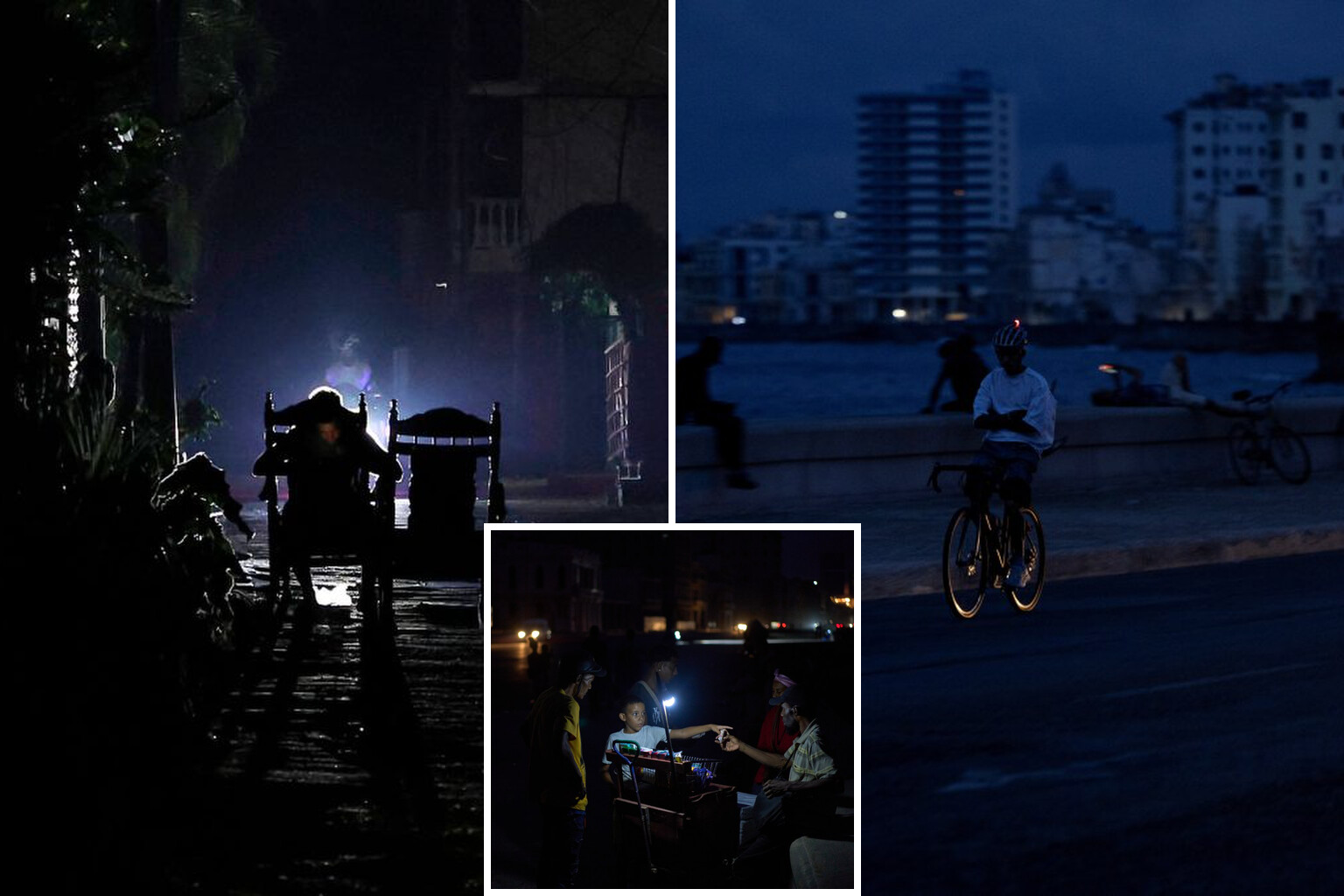
Cuba’s national power grid collapsed Friday, plunging millions into darkness for at least the sixth time since U.S. Energy sanctions took effect in January.
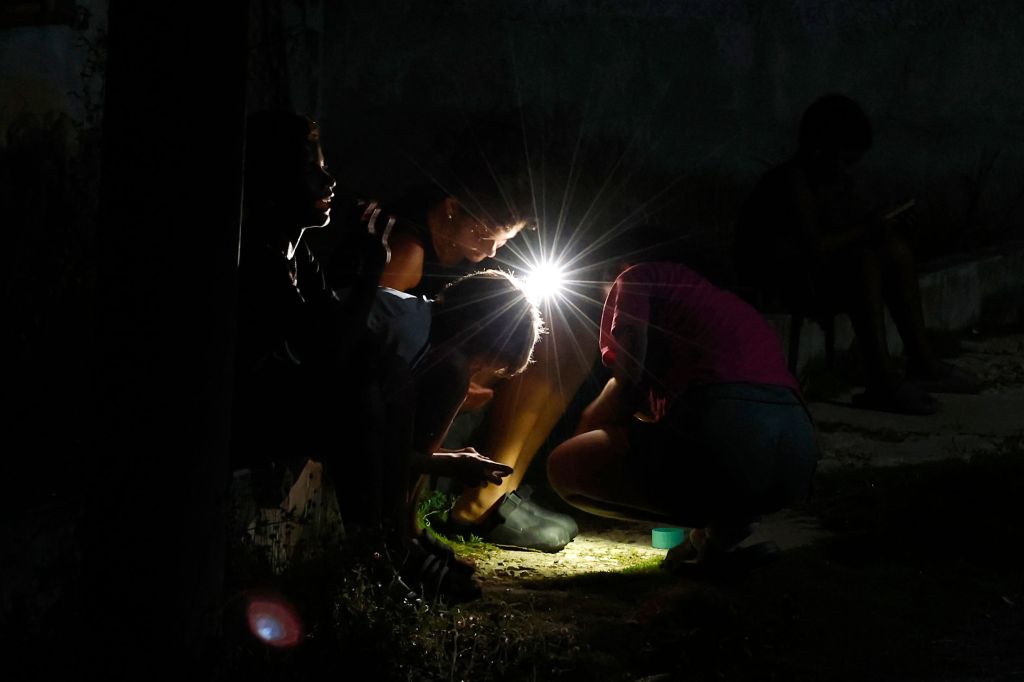
The Ministry of Energy and Mines announced the islandwide outage on its official X account, stating that officials had begun “activating service-restoration protocols.” By dusk, only 5% of Havana’s roughly 862,000 customers had electricity restored, according to official data.
Small power-distribution “micro-islands” were being established in Camagüey, Pinar del Río and Granma provinces. Some systems serving hospitals and other emergency facilities were being reactivated.
The collapse originated in transmission line failures in the country’s western region, Cuban authorities reported. The system failed as far east as Matanzas province, prompting operators to disconnect the eastern section entirely. The official newspaper Granma noted that “unstable” weather conditions had further aggravated the grid’s fragile state.
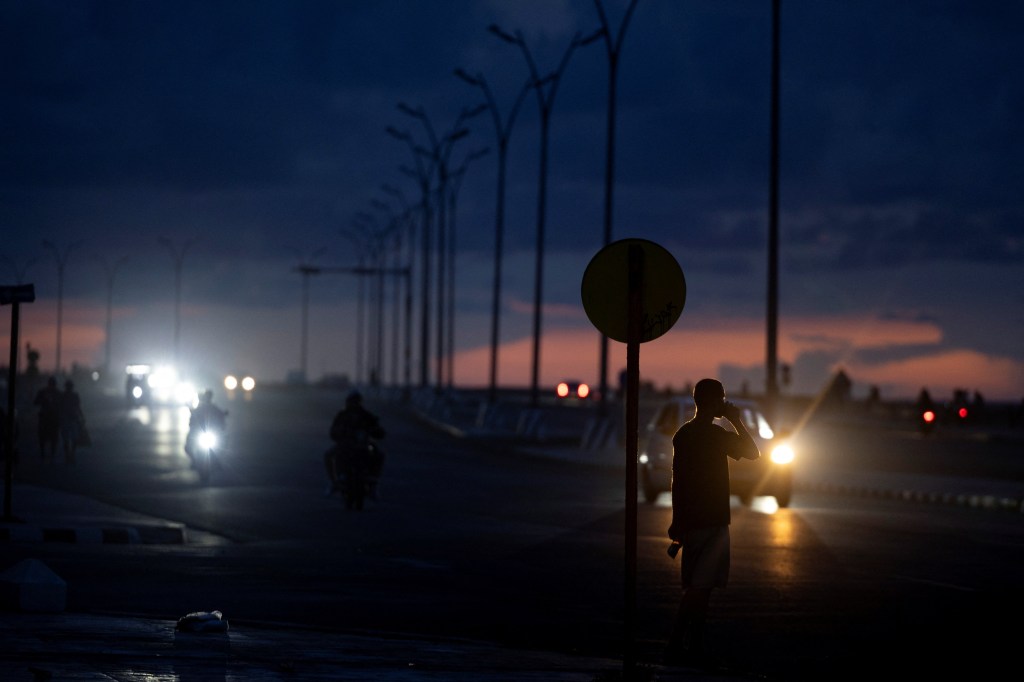
Mercedes Rodriguez, 60, a worker in Havana, described the grinding reality as she waited for public transportation to return home.
“No one can stand these constant blackouts. There isn’t enough food, there’s no water, there’s no electricity — you have no idea,” she said. “The country is in such a sad state, and there are no words for what we’re going through.”
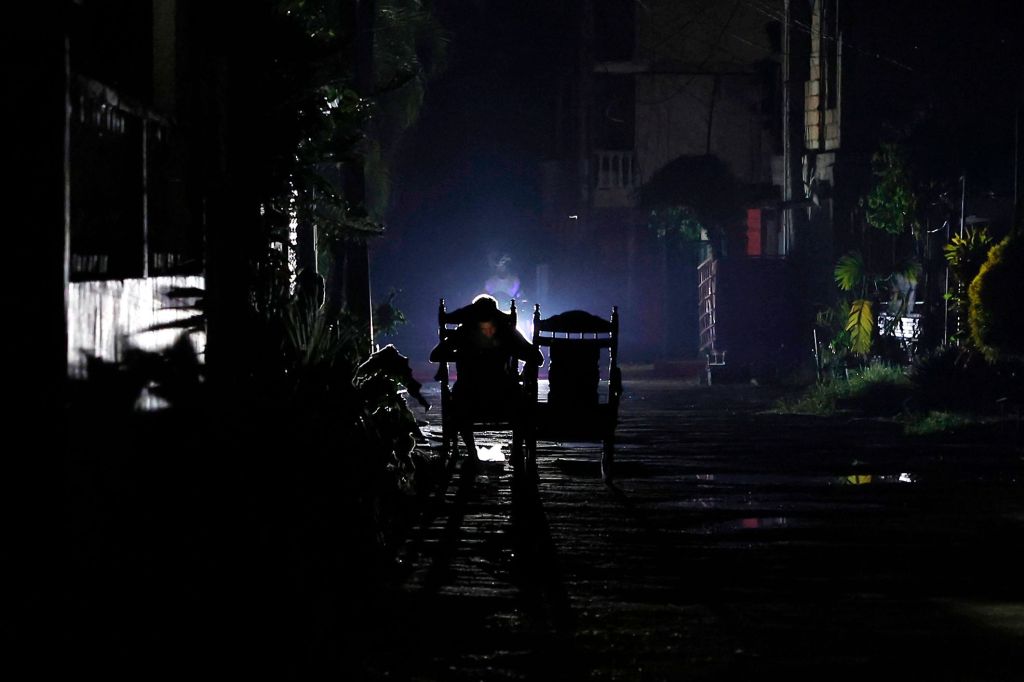
Abilén Marrero, a homemaker, sat resignedly at the entrance to her building in central Havana on Friday.
“Maybe it’ll come back this afternoon or tomorrow—there’s no way to know. We just have to wait,” she said.
Grid collapses have grown increasingly common over the past two years amid Cuba’s severe economic crisis. The situation worsened after January, when the United States imposed an energy blockade designed to force political change on the island. The restrictions prevent Cuba from importing fuel for its thermoelectric plants and block replacement parts for infrastructure that has become obsolete in many cases. Only one fuel tanker has arrived since, delivered by a Russian vessel in March.
The two most recent nationwide blackouts struck in early August, following others in July and March, alongside numerous regional outages. Even when the national grid functions, Cubans regularly endure outages exceeding 30 consecutive hours.
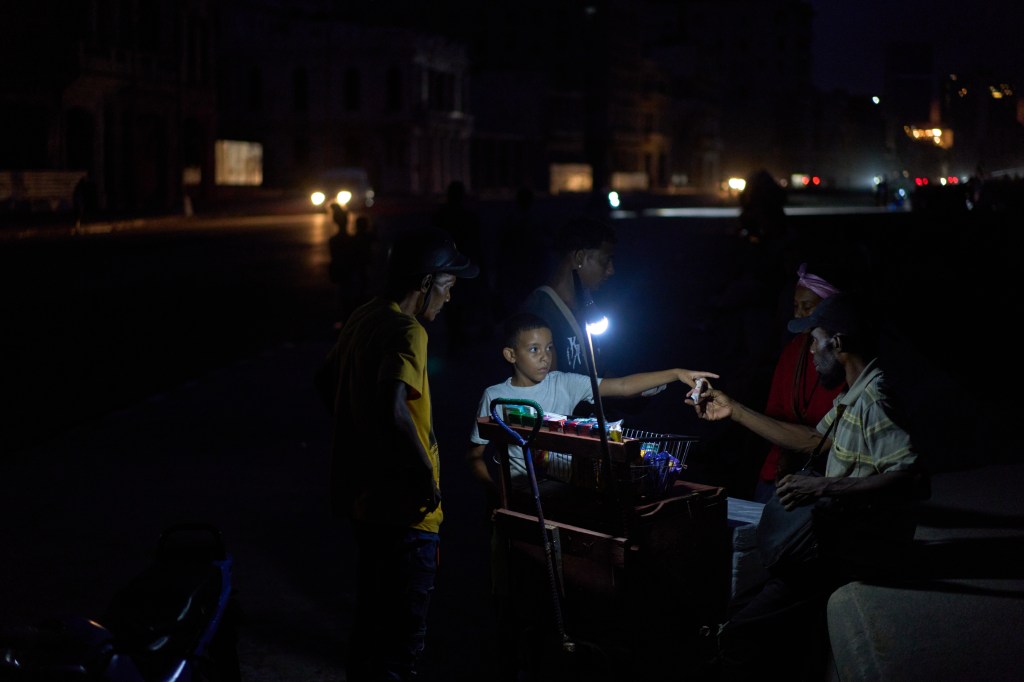
The consequences extend far beyond inconvenience. Combined with the energy embargo, the blackouts have triggered transportation limitations, reduced work hours and flight cancellations. Public health has suffered serious consequences. Basic activities including cooking, water supply, and internet and telephone service all depend on a power system that cannot sustain them.
The repeated failures underscore a deepening crisis with no apparent resolution in sight as Cuba heads into another period of uncertainty.