

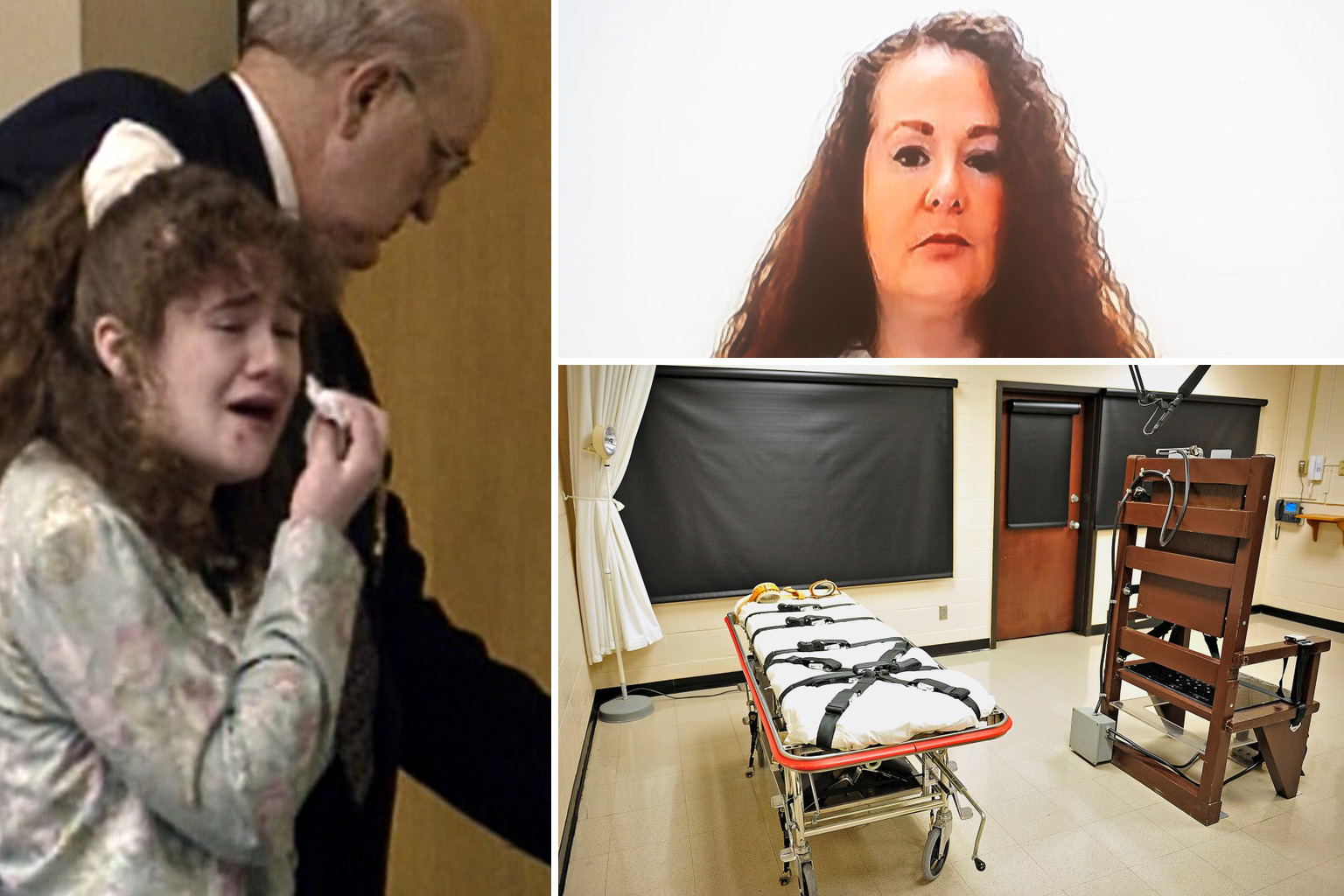
Tennessee officials are pushing back against Christa Pike’s demand to be moved out of the prison infirmary and into a low-security housing unit.
Pike, 50, filed an emergency motion on Oct. 30 seeking transfer from the infirmary ward where she has been held since Oct. 9, according to new court records filed Wednesday. Her legal team wanted her placed in a specialized, low-security unit alongside other inmates, a request state attorneys are now urging a federal judge to reject outright.
“She once tried to murder another inmate and was disciplined for an escape attempt. She therefore cannot pick and choose any housing assignment,” the state’s response read.
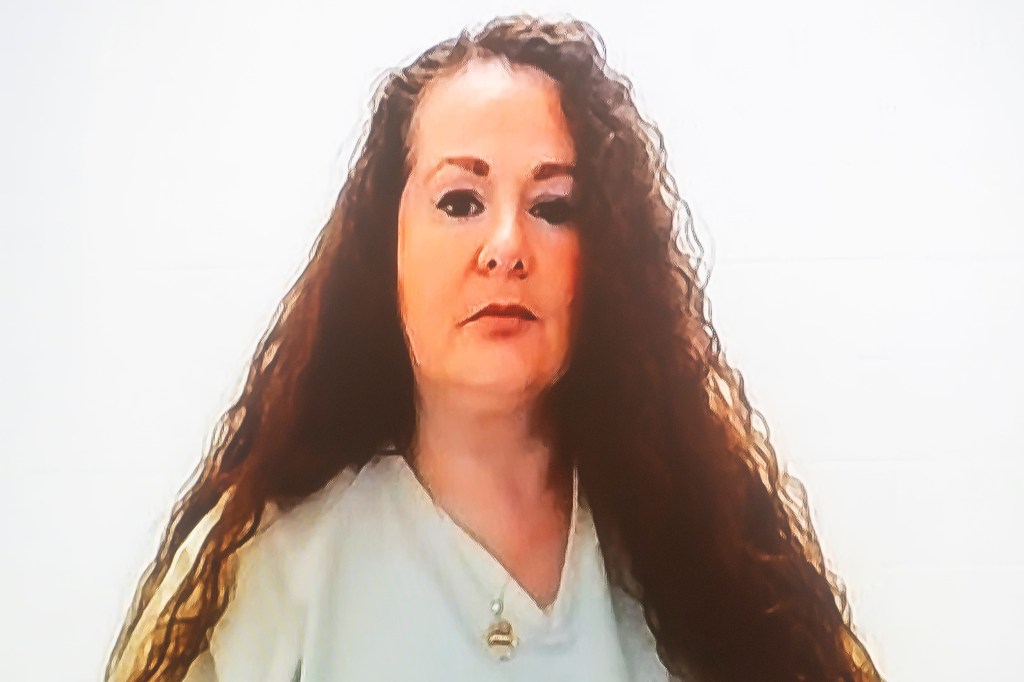
The filing laid bare the state’s frustration with Pike’s medical self-advocacy. State attorneys wrote that the convicted murderer “thinks she knows better than her treating providers and [Tennessee Department of Corrections] officials about how to treat her medical needs while keeping her safe and secure.”
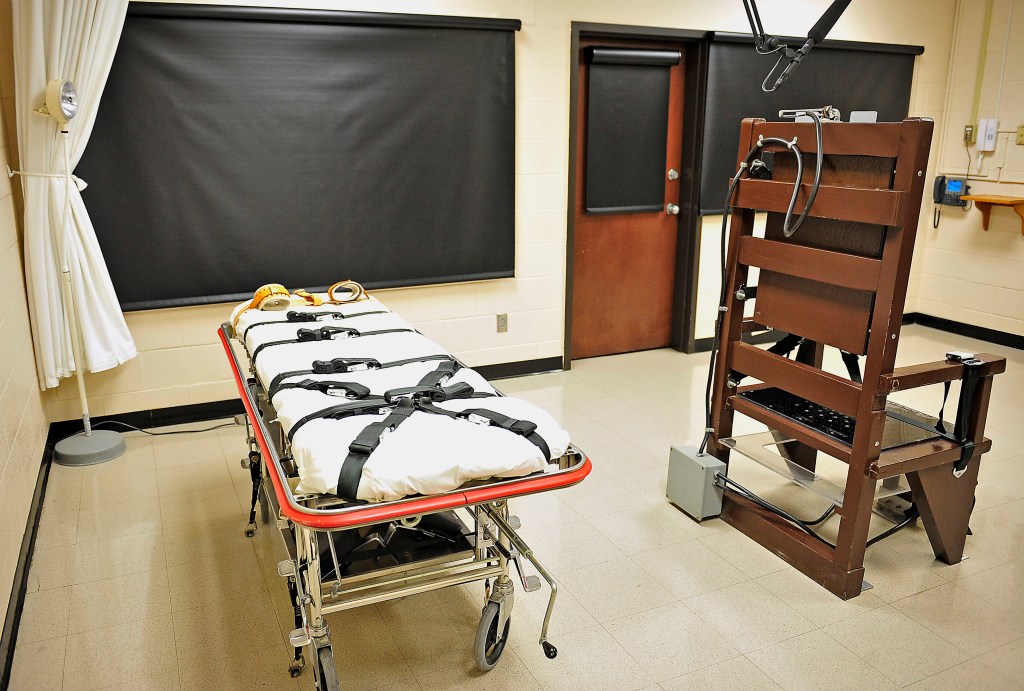
Pike’s current situation stems from a catastrophic lethal injection procedure on Sept. 30 that left her days unconscious and in critical condition. She survived two doses of pentobarbital allegedly administered with at least 10 needles, according to the records. After hospitalization, she was moved to the prison infirmary, where TDOC attorneys say she still requires “round-the-clock care” today.

The state contends that level of care can only be provided in the infirmary. “Pike’s medical needs require the most intense level of care available,” her jailers wrote in asking the judge to deny the transfer request.
Security concerns dominated the state’s argument. “It should come as no surprise that maximum-security inmates cannot be allowed to roam a separate DJRC housing area that essentially operates as a nursing home,” the filing stated.
Pike had been poised to become the first woman executed in Tennessee in over 200 years before the procedure failed. Her status as a maximum-security prisoner, earned through prior violence and an escape attempt, now underpins the state’s refusal to grant her preferred housing.
The legal clash sets up a federal court decision on whether a botched execution survivor can dictate their own recovery conditions inside the prison system.