

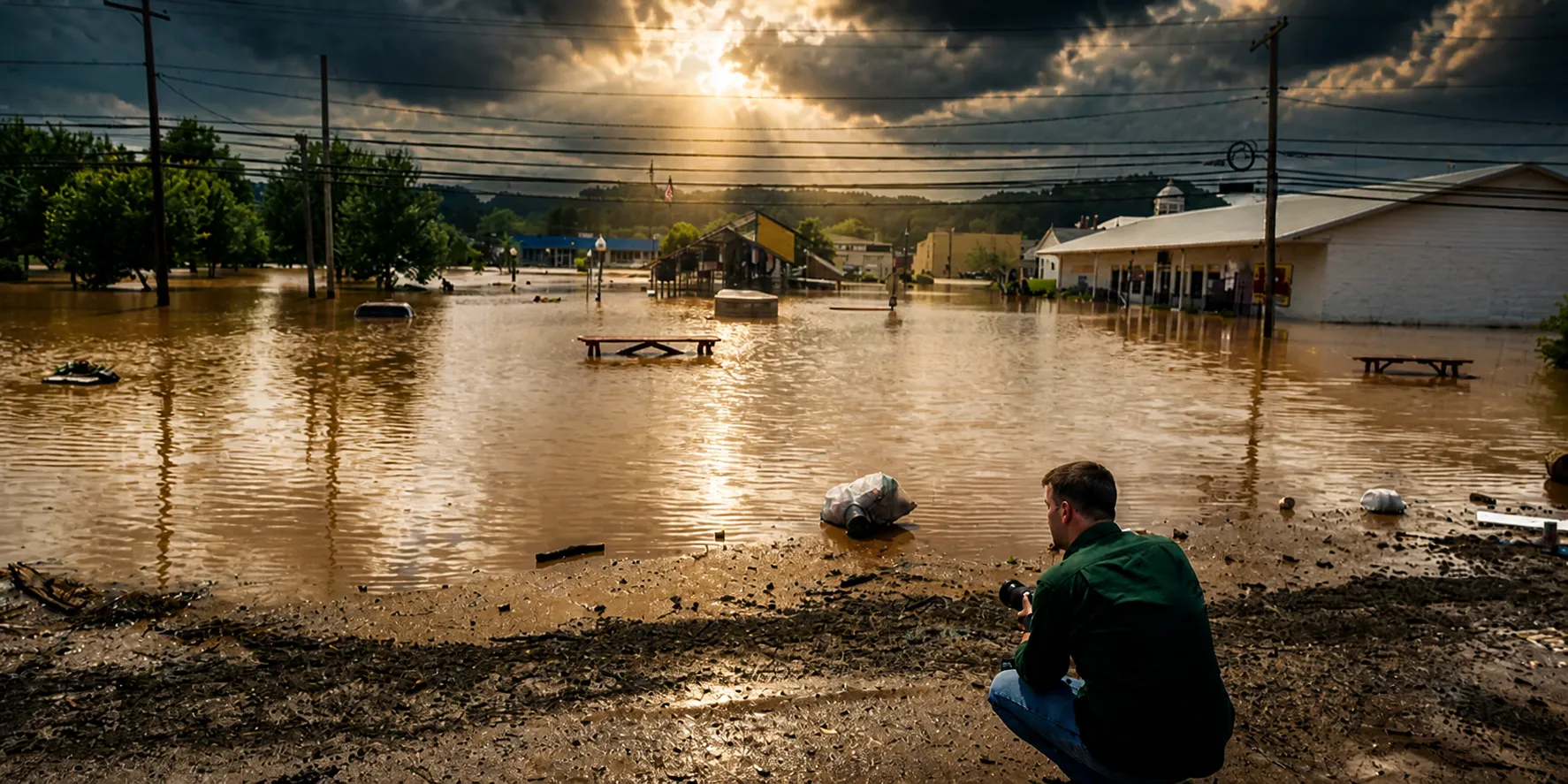
Two people have died in catastrophic flooding that swept through north-central West Virginia in late July, bringing into sharp focus a long-standing problem: prevention plans and mitigation measures remain largely unaddressed despite decades of recommendations and millions in potential funding.
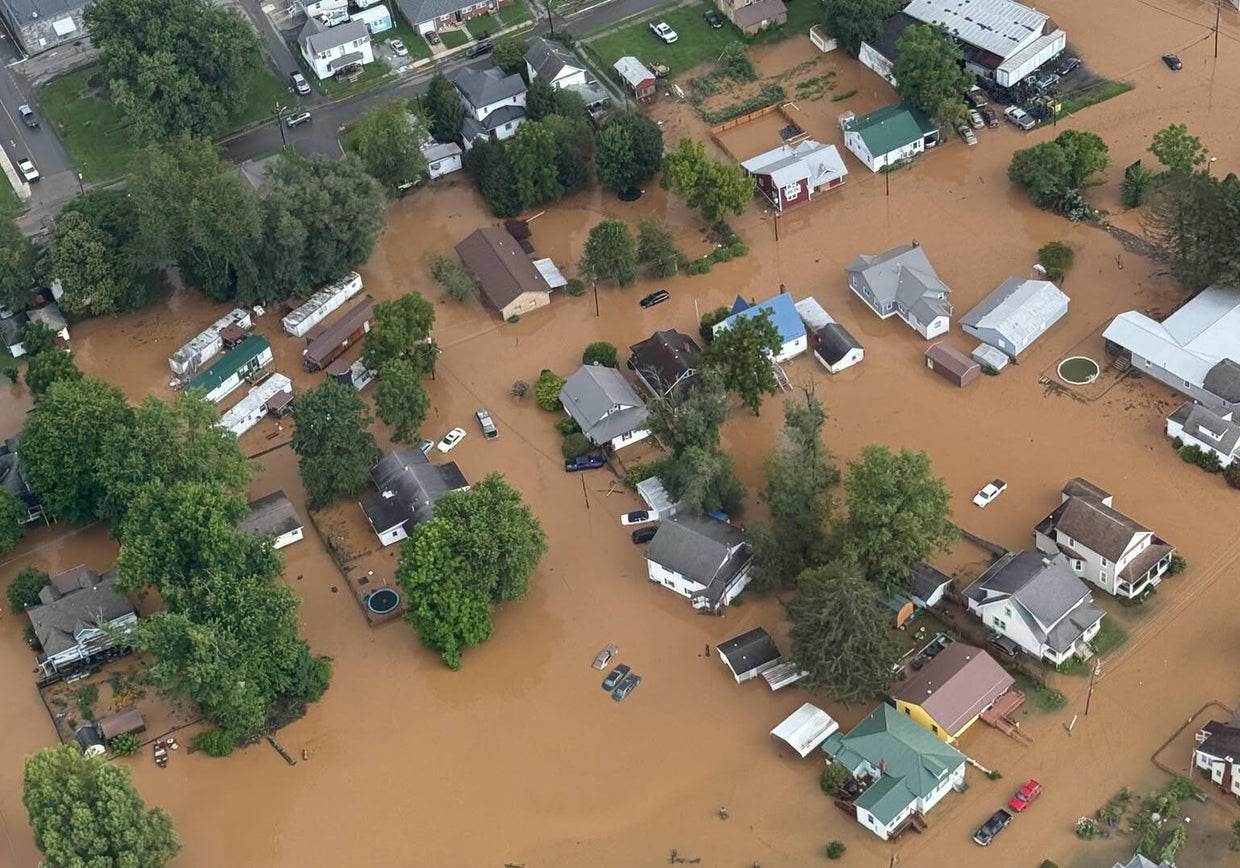
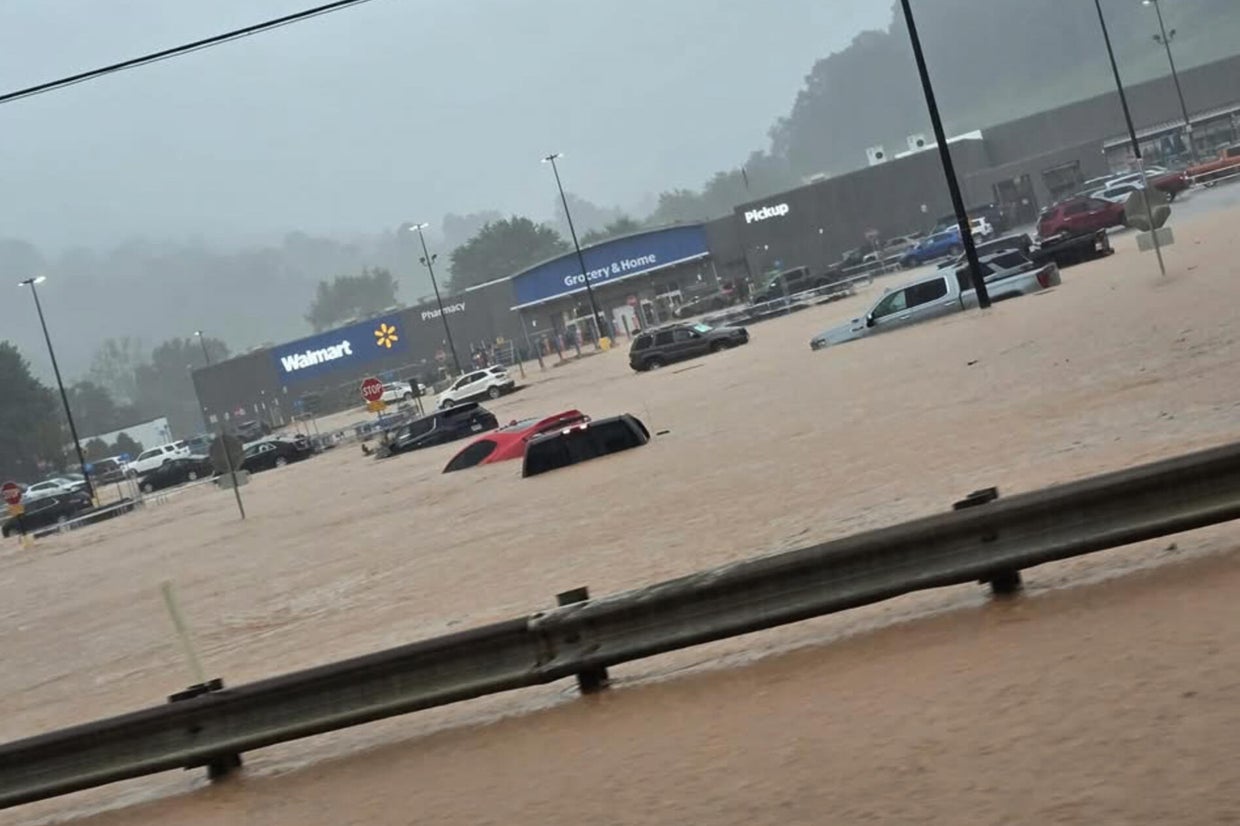
The deadly flooding occurred on July 21-22, 2026, when torrential rains dumped up to 7 inches in some areas, with portions of Buckhannon, Weston and surrounding communities receiving 4.5 inches in just 37 minutes. The flooding inundated homes, businesses and roads across Lewis, Randolph and Upshur counties. Judy A. Young, 59, and James J. Harper, 61, both of Upshur County, were found dead inside a vehicle that had been swept away by rapidly rising floodwaters and recovered from Stonecoal Lake. Governor Patrick Morrisey declared a State of Emergency for all 55 counties in response.
The scope of the destruction was staggering. Sand Run near Buckhannon rose more than 8 feet in less than five hours, cresting at over 10.63 feet and shattering the previous record of 8.34 feet set in 1985. Interstate 79, U.S. Route 48 and numerous secondary roads were forced to close. About 1,000 homes and businesses were damaged. A sinkhole caused by the storm swallowed a vehicle at a bar in Fayetteville. First responders conducted hundreds of water rescues as the National Guard deployed 310 personnel, including helicopter units, to assist in affected areas.
Yet this disaster echoes a crisis that has plagued state officials for two decades. In 2004, a coalition of local, state and federal agencies released a comprehensive West Virginia Flood Protection Plan with specific recommendations on floodplain management, building codes and flood warning systems. That plan was never implemented. More than a decade later, after the catastrophic June 2016 floods that killed 23 people, the state created the West Virginia State Resiliency Office specifically to coordinate flood protection and update the protection plan. But implementation remained sluggish.
In 2023, lawmakers passed legislation creating the West Virginia Flood Resiliency Trust Fund to provide dedicated funding for flood prevention and protection efforts, prioritizing low-income communities. However, no money was appropriated to the fund. The same year, the Disaster Recovery Trust Fund, established in 1990 to provide relief after natural disasters, was also left unfunded. While the state legislature eventually allocated $5 million to the Flood Resiliency Trust Fund in June 2026, advocates and officials have argued this falls far short of actual needs.
A new state Flood Resiliency Plan was completed in 2024, with an update underway in 2026. Yet the gap between planning and implementation persists. Mitigation projects identified as priorities remain stalled or incomplete due to insufficient funding. The state has faced particularly acute challenges with infrastructure at risk from flooding; West Virginia’s share of critical infrastructure vulnerable to flooding damage has been documented as higher than any other state in the nation.
The most recent flooding comes ten years after the devastating June 2016 floods that ravaged the state. Experts and officials have warned that rapid urbanization in floodplains, deferred infrastructure maintenance, and the increasing frequency of extreme weather events mean similar catastrophic events are likely to occur again. Between 2010 and 2021, West Virginia was impacted by more than 1,600 separate flood events.
In response to this week’s disaster, Governor Morrisey announced that discussions with the legislature would address flood prevention and resilience. Federal assistance has been activated, with preliminary damage assessments estimating $8.5 million in losses from the July 28-29 severe weather event. However, the fundamental challenge remains: the knowledge of what needs to be done to prevent such disasters exists in state plans and studies, but the political will and financial resources to implement those plans have not materialized on an adequate scale.
Debris cleanup efforts are ongoing in affected communities, with the West Virginia Army National Guard assisting residents. Volunteers have distributed food and supplies to those in need. But as recovery efforts proceed, questions linger about whether this latest tragedy will finally spur the state to act decisively on flood prevention measures that have sat on shelves and in filing cabinets for more than twenty years.