

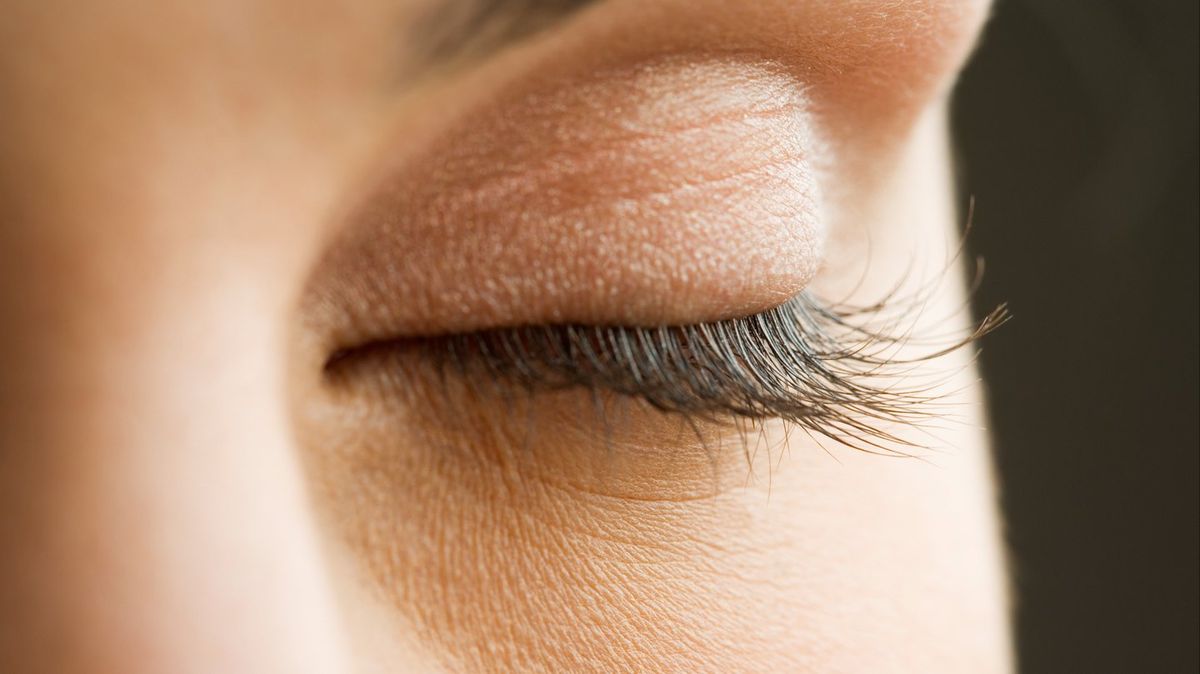
A physician has responded to worries that GLP-1 medications might lead to eyelash loss.
These drugs were developed primarily to help people with type 2 diabetes manage blood sugar, but they have also become widely used for weight loss in recent years. GLP-1 medications include drugs such as semaglutide (Ozempic, Wegovy), tirzepatide (Mounjaro, Zepbound), liraglutide, dulaglutide, and others.
Known side effects of GLP-1 treatments already include digestive problems such as nausea, vomiting, diarrhea and constipation. More recently, some people have also questioned whether the medications could be linked to thinning lashes and hair loss more broadly. The concern has grown so significant that the FDA has required GLP-1 drugs including Ozempic and Zepbound to list alopecia as a potential adverse reaction on their product labeling.
Dr Paul Gross, a Primary Care Physician and Medical Doctor at LIV3 Health, said there is currently no proof of that connection, although he noted the idea is not impossible from a biological perspective.
“From a biological standpoint, it would be reasonable to assume the same stress-related processes could occur in the eyebrow and eyelash follicles as well, since both are subject to cycles of growth and rest.
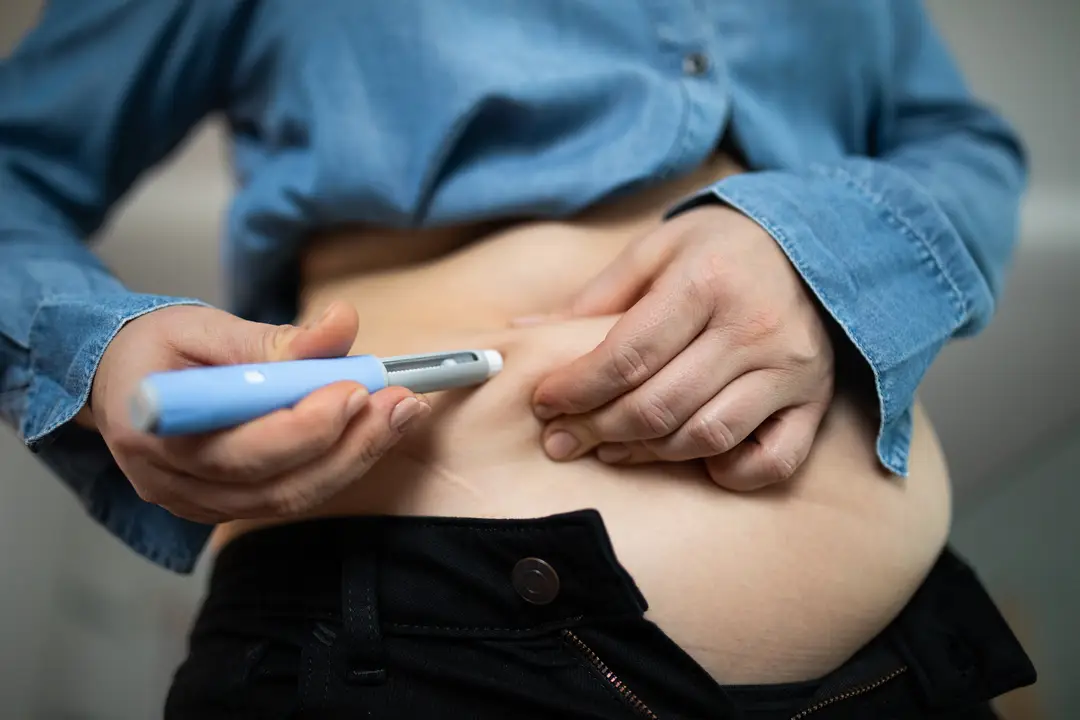
“However, there is currently little to no evidence to support that GLP-1 medications do increase the amount of lost eyebrows or eyelashes specifically. Additional studies would need to be conducted to make that claim with confidence.”
Gross said that if shedding does happen, it is more likely tied to the strain rapid weight loss can place on the body rather than damage caused directly by the medication itself.
He also stressed that people experiencing this should not panic, as the problem is often temporary.
“Generally, hair loss due to stress is transient. After weight stabilises and nutrition improves, follicles should return to their normal growth pattern, though onset of recovery typically takes several months and full regrowth depends on individual factors.
“Hair shedding is undoubtedly disturbing, but it’s important to put this into perspective – many patients receiving GLP-1 therapy have a meaningful experience managing weight and health issues associated with obesity.
“Anyone experiencing excessive hair loss should speak to their healthcare provider before stopping their medication, since diet or treatment adjustments may help minimise the effect.”
A makeup professional shared a similar view, saying that eyelashes usually grow back as part of their natural cycle.
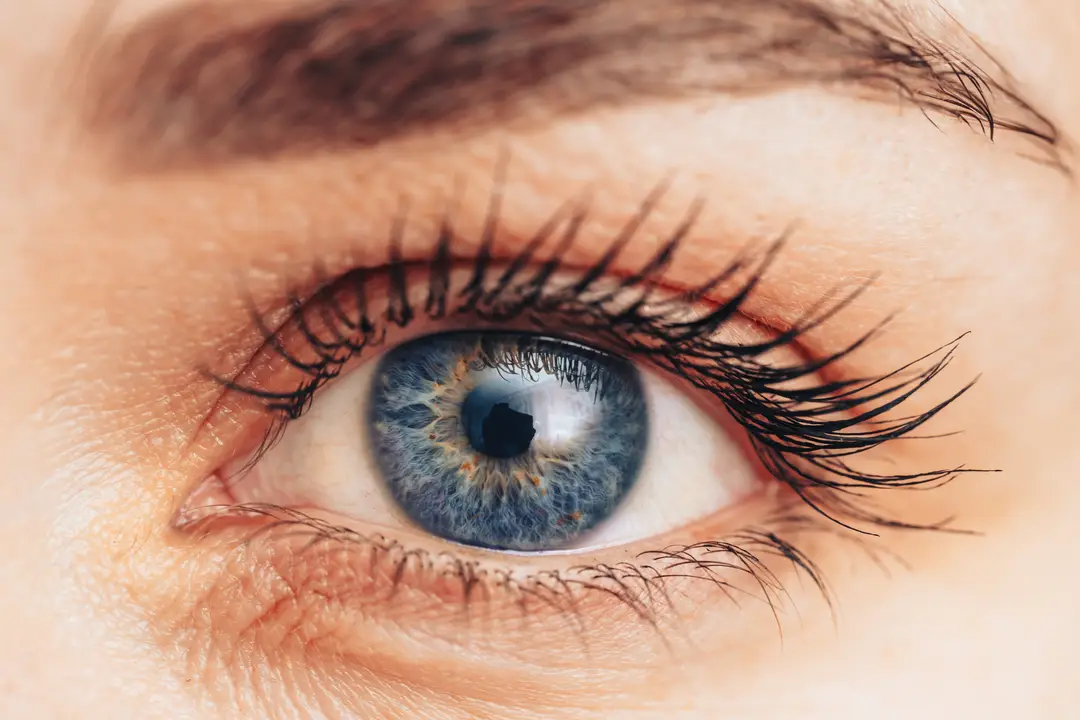
Saffron Hughes, makeup artist at FalseEyelashes.co.uk, said: “Eyelashes naturally go through a continuous growth cycle, so if a lash falls out naturally or is accidentally pulled out, another will usually grow back in its place over several weeks.
“However, repeatedly damaging the lash follicle through habits like excessive rubbing, constantly pulling out lashes or wearing poorly applied extensions can slow this process. That’s why prevention is always better than cure.”
The discussion follows research published in July 2026 by the University of Pennsylvania Health System and published in The BMJ, which reported that people using GLP-1 medications had significantly higher rates of alopecia compared to people taking other diabetes medications. The study found a 37 percent greater chance of being diagnosed with alopecia compared to SGLT-2 inhibitors, and a 68 percent higher risk compared to DPP-4 inhibitors. However, the absolute risk remains low, and the hair loss observed was predominantly non-scarring alopecia, meaning it is potentially reversible. The study involved nearly 40,000 patients and adjusted carefully for age, sex, ethnicity, body mass index, and pre-existing conditions.
Gross added: “Hair loss from taking a GLP-1 medication is commonly believed to be an indirect result of the body’s reaction to losing weight rapidly; it is not typically a direct effect of the medication causing damage to your hair follicle.
“One possible explanation is telogen effluvium, when physical or emotional stress causes many hairs to prematurely enter their resting state and fall out. Rapidly reducing calorie and nutrient intake may cause hair loss in some individuals.”
A 2026 systematic review found that androgenetic alopecia and telogen effluvium were the predominant subtypes of hair loss reported in GLP-1 users, with tirzepatide—associated with the greatest magnitude of weight loss—most frequently linked to telogen effluvium. The same review identified more than 1,000 spontaneous cases of hair loss reported in the United States related to GLP-1 use. Additionally, regulatory agencies have been accumulating reports: the FDA approved changes to product labeling for GLP-1 drugs, while the UK’s Medicines and Healthcare products Regulatory Agency received hundreds of reports of hair loss linked to these medications.
Experts emphasize that hair loss associated with GLP-1 medications typically begins one to six months after starting treatment and is usually temporary. Recovery typically takes several months once weight stabilizes, though regrowth can take 12 to 18 months in some cases. Working with healthcare providers to achieve steady rather than rapid weight loss, maintaining adequate nutrition and protein intake, and avoiding additional hair stress through harsh treatments or tight hairstyles may help minimize the effect. Women appear to be disproportionately affected according to multiple studies, with rates varying by specific medication used.