


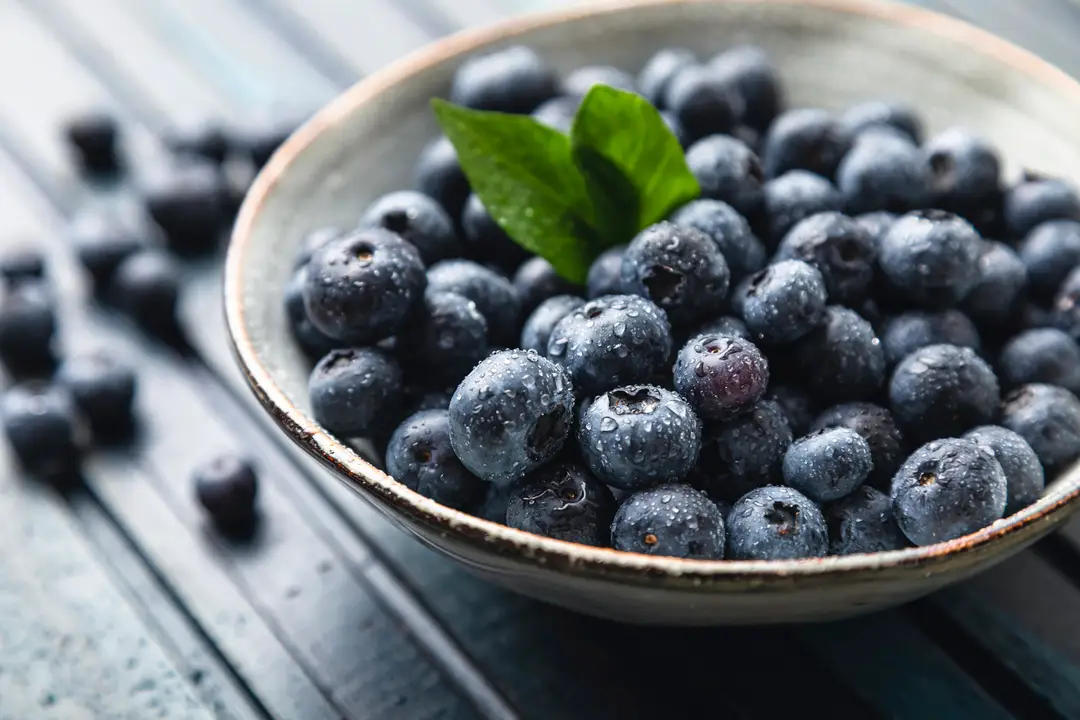
Online clips are claiming blueberries can ‘burn fat 1000 times better than Ozempic’, but a doctor has explained why that comparison does not hold up.
Medications such as Ozempic and Mounjaro work on the body’s GLP-1 hormone, which helps control blood sugar and appetite. These drugs are mainly prescribed for people with type 2 diabetes, though they have also become widely known for supporting weight loss. Tirzepatide (sold as Mounjaro for diabetes and Zepbound for weight loss) is currently considered the most effective GLP-1 medication, with clinical trials showing average weight losses of up to 22.5% of body weight, while semaglutide (Ozempic and Wegovy) typically produces weight loss of 15-21%.
At the same time, some social media users argue that so-called ‘real food’ can trigger the same response. Healthline describes real foods as items that remain close to their natural form, with little processing, no chemical additives, and strong nutritional value. While certain foods including blueberries, protein, fiber, and healthy fats do stimulate natural GLP-1 release after eating, the magnitude of this effect is vastly different from pharmaceutical GLP-1 medications.
Dr. Andrew Koutnick, PhD, responded to one viral video that claims blueberries “burn fat 1000 times better than Ozempic” and broke down why that message is misleading.
He said:
“It is a false claim. However, it seems to be promoted by functional nutrition community who want people to realize that REAL FOOD is optimal for health.”
He adds:
“There is ALSO a push by many food and supplement companies to promote that their product or certain food trigger endogenous GLP-1 release. This is true.”
According to him, the key difference is scale. While food can stimulate GLP-1 production naturally, these medications can raise GLP-1 activity to levels around 500 times higher in the body, with some figures reaching 1000 times higher. In fact, a clinical study on blueberries specifically found that consuming 140 grams of whole blueberries produced no significant differences in GLP-1 response compared to a placebo breakfast meal.
He said blueberries do increase GLP-1, just as carbohydrates, fats, and proteins can.
“When GLP-1 is elevated, it peaks within 30 minutes and slowly decreases over the next 2-4 hours depending on the composition of this meal,” he goes on to explain.
He explained that GLP-1 tells the body food has been eaten, which helps reduce appetite by activating receptors in the brainstem. That process can help people stay full longer and eat less, but GLP-1 medications keep those receptors activated for much longer than food does. Natural GLP-1 produced by the body is broken down by enzymes in roughly two minutes, while pharmaceutical GLP-1 agonists are engineered to resist these enzymes and maintain their effects for much longer.
“The magic of GLP-1 drugs versus food is that GLP-1 drugs are able to reach levels of GLP-1 that are 500-1000 times higher and sustain them for 166 hours (> 7 days), so it consistently lowers hunger signals throughout the day and in response to meals,” he explains.
Separate advice around weight management has also focused on cutting back on fizzy drinks. Alongside their well-known effects on teeth, some specialists say they may also make it harder for people to lose weight without medication. This concern reflects broader research showing that behavioral and dietary interventions alone typically produce far less weight loss than GLP-1 medications, though combining lifestyle changes with medication optimizes results.
Several experts have echoed that warning, with one even describing them as “liquid death”.
The viral claims about blueberries and other foods mimicking GLP-1 medications are part of a larger trend. Over-the-counter supplements marketed as “GLP-1 boosters” have also proliferated online, though these products lack clinical evidence and cannot legally claim to deliver the same outcomes as FDA-approved GLP-1 drugs. Consumers taking such supplements typically lose only 1 to 4 pounds at best, compared to the significant weight loss seen with prescription medications.
Dr. Koutnick also shared other recommendations for people looking to manage their weight naturally.