


A doctor has explained possible reasons behind reports of emotional numbness from people taking the experimental weight-loss drug retatrutide.
Dr. Louis Lerebours, MD, a family medicine physician practicing at Freeman Recovery Center in Dickson, Tennessee, addressed viral social media posts describing a “genuinely unbearable” mental side effect of the medication. Retatrutide, nicknamed “Reta” and dubbed the “Godzilla” of weight-loss drugs for its potency, is a triple agonist drug currently in clinical trials by Eli Lilly. It is not FDA approved and is available only through the company’s trial program.
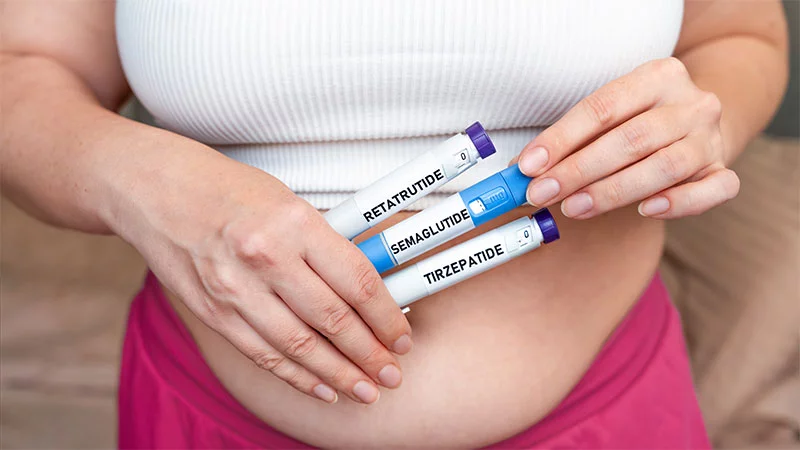
The drug works by targeting three hormone receptors — GLP-1, GIP, and glucagon — rather than the single or dual pathways used by approved medications like semaglutide or tirzepatide. This triple mechanism is designed to increase feelings of fullness, boost energy expenditure, and potentially prevent muscle loss. Phase 2 trial data showed mean weight reductions of up to 24.2% at 48 weeks, with Phase 3 results reaching 28.7% at 68 weeks.
Some trial participants have taken to social media to describe an unexpected emotional toll. In videos shared to TikTok, users described feeling reduced to “emotionless robots.” Others posted on Reddit claiming they could no longer feel “joy or happiness” since starting the drug. One Reddit user wrote: “This is the most depressed I’ve been in my life. Not like I’m just sad all the time. But nothing brings me enjoyment. Music isn’t good anymore. None of my hobbies bring me enjoyment. And I find myself just laying in bed staring at nothing.”
Lerebours cautioned that emotional numbness should not be considered a definite side effect of retatrutide at this time because it is still being tested. “Emotional numbness should not be considered a definite side effect of retatrutide at this time because it is still being tested,” he said, as a caveat.
Nonetheless, Lerebours outlined possible biological mechanisms that could produce such an effect. “Possible reasons for this are medications altering how appetitive or rewarding certain activities may seem to patients,” he said, explaining that this is “due to their effects on the body’s ‘reward’ and ‘appetite’ pathways,” He added that it could also stem from “the many other things that can affect patients’ moods, such as: fatigue; decreased calorie consumption; drastic fluctuations in weight; the amount of sleep they get; and their current state of mind.”
GLP-1 receptor agonists as a class interact with brain pathways involved in appetite, reward, and emotional regulation. GLP-1 receptors are present in brain regions associated with motivation and mood, including the ventral tegmental area and the nucleus accumbens. Some research has suggested these medications may improve mood for certain patients through weight loss and better metabolic health, but the brain-wide effects of triple agonism remain under study.
For those experiencing symptoms, Lerebours advised against self-adjusting medication. “If a lack of emotion or loss of interest in activities that previously pleased you is still present, please discuss this with your clinician before making adjustments to your medication on your own,” he shared. “Discussing when these symptoms first appeared, as well as changes in sleep, nutrition, stress levels, and other prescription medications, can help identify if there has been a change in either the medication or some other aspect of your life.”
Social media users had begun sharing raw accounts of their mental states on platforms including TikTok and Reddit, with some describing anhedonia so severe they lost interest in music, hobbies, and daily activities. The posts circulated widely enough that clinicians and researchers took note, though formal trial data has not established emotional numbness as a documented adverse event. The most commonly reported side effects in retatrutide trials remain gastrointestinal: nausea, vomiting, diarrhea, and constipation, along with a distinctive tingling or burning skin sensation called dysesthesia that affected roughly 20.9% of participants at the highest dose in Phase 3.
Retatrutide’s projected FDA submission timeline is early 2027, with potential approval in late 2027 or early 2028 if trials are successful.