

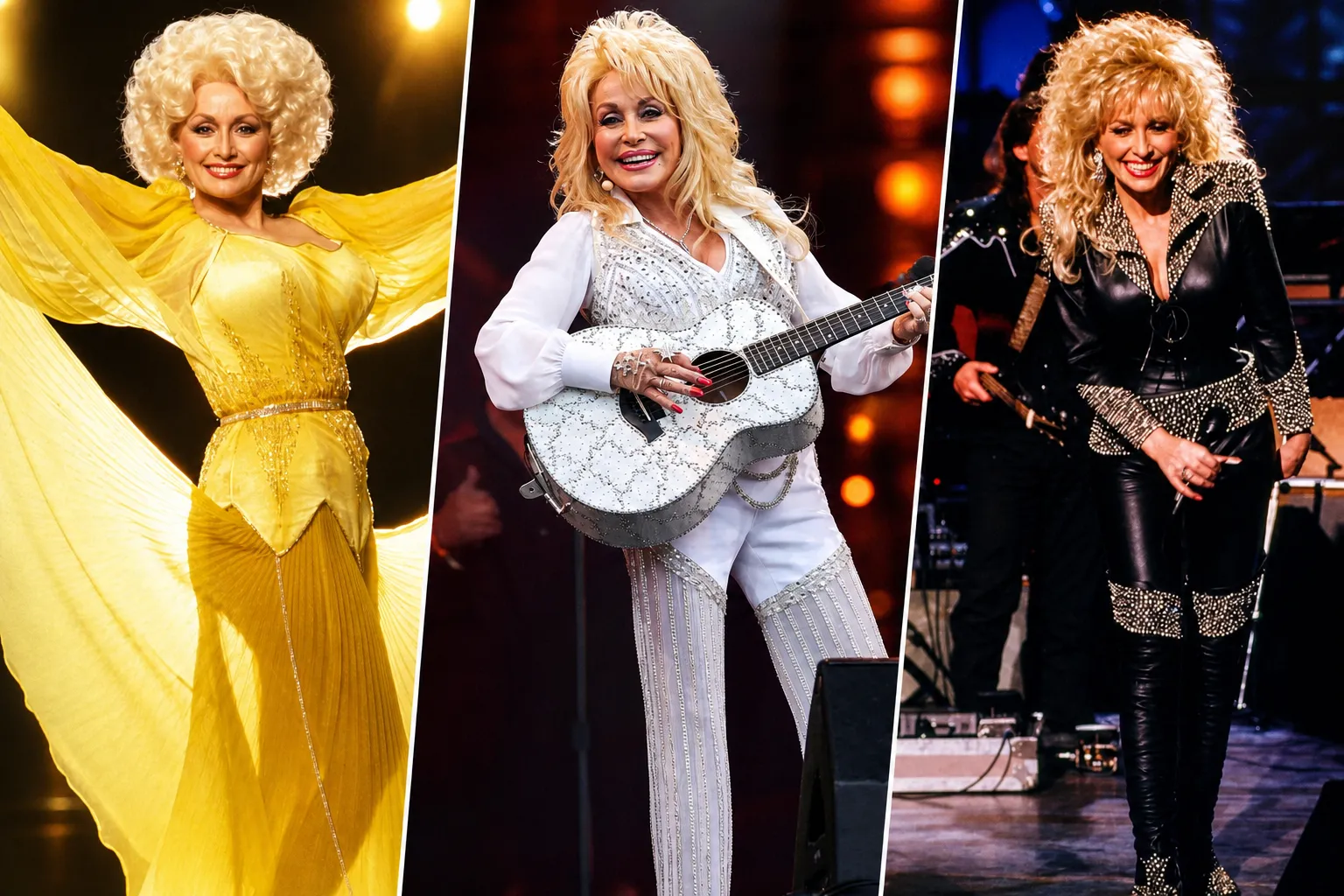
Dolly Parton’s nephew broke his silence with a heartbreaking tribute after the country music icon died at 80.
The “Jolene” singer’s death on Tuesday ended a months-long health battle that had kept fans anxious about her condition, her family confirmed. Parton, 80, passed away surrounded by loved ones, though specific details about her final days remained private.
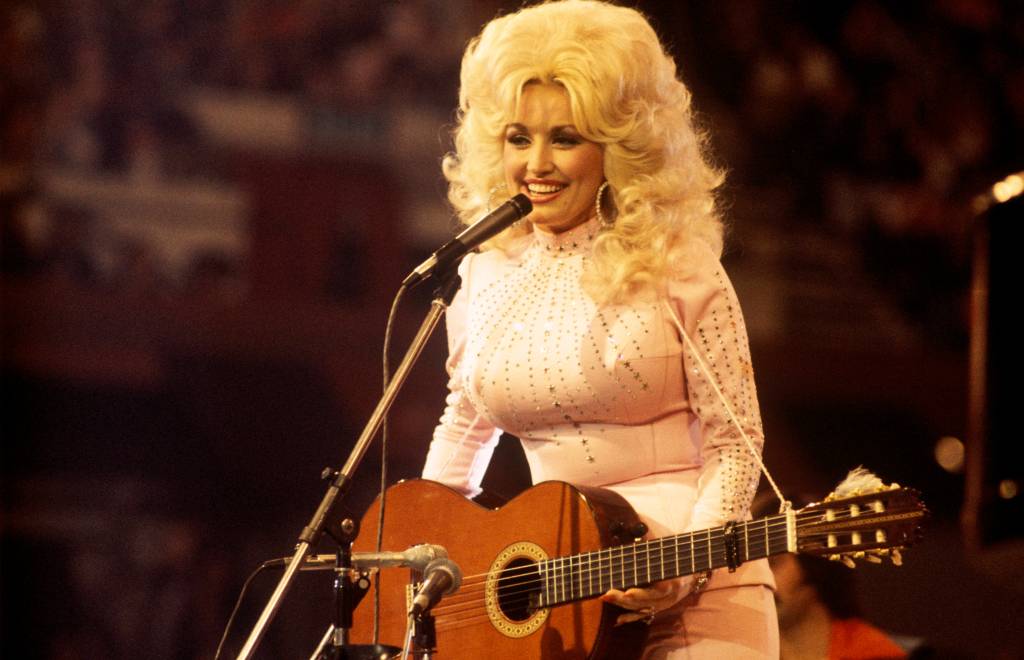
Her nephew took to social media to honor the woman he called “Aunt Granny,” a nickname Parton earned from her siblings’ children and later used publicly. “I will always love you,” he wrote in his tribute post, echoing the title of one of her most beloved songs. The message quickly drew thousands of responses from fans sharing their own memories of the star.
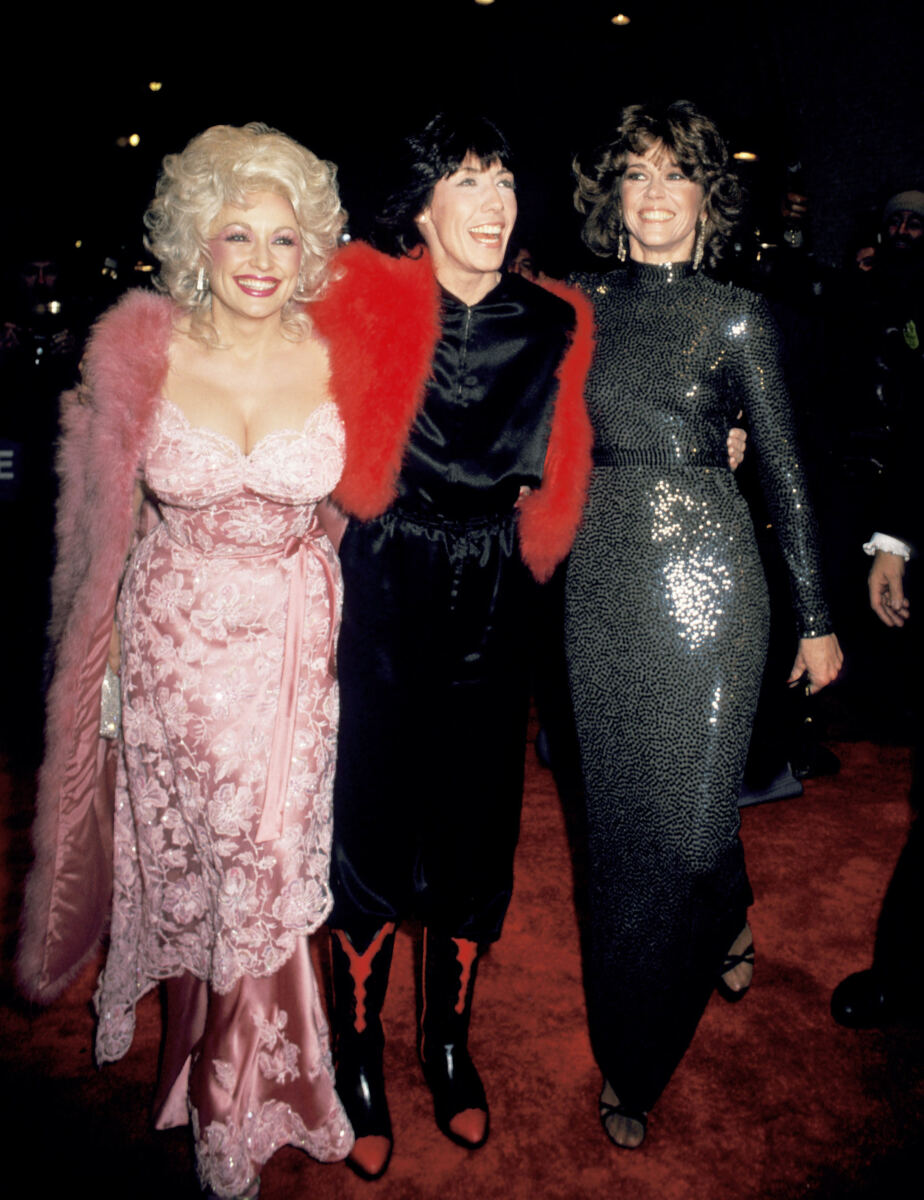
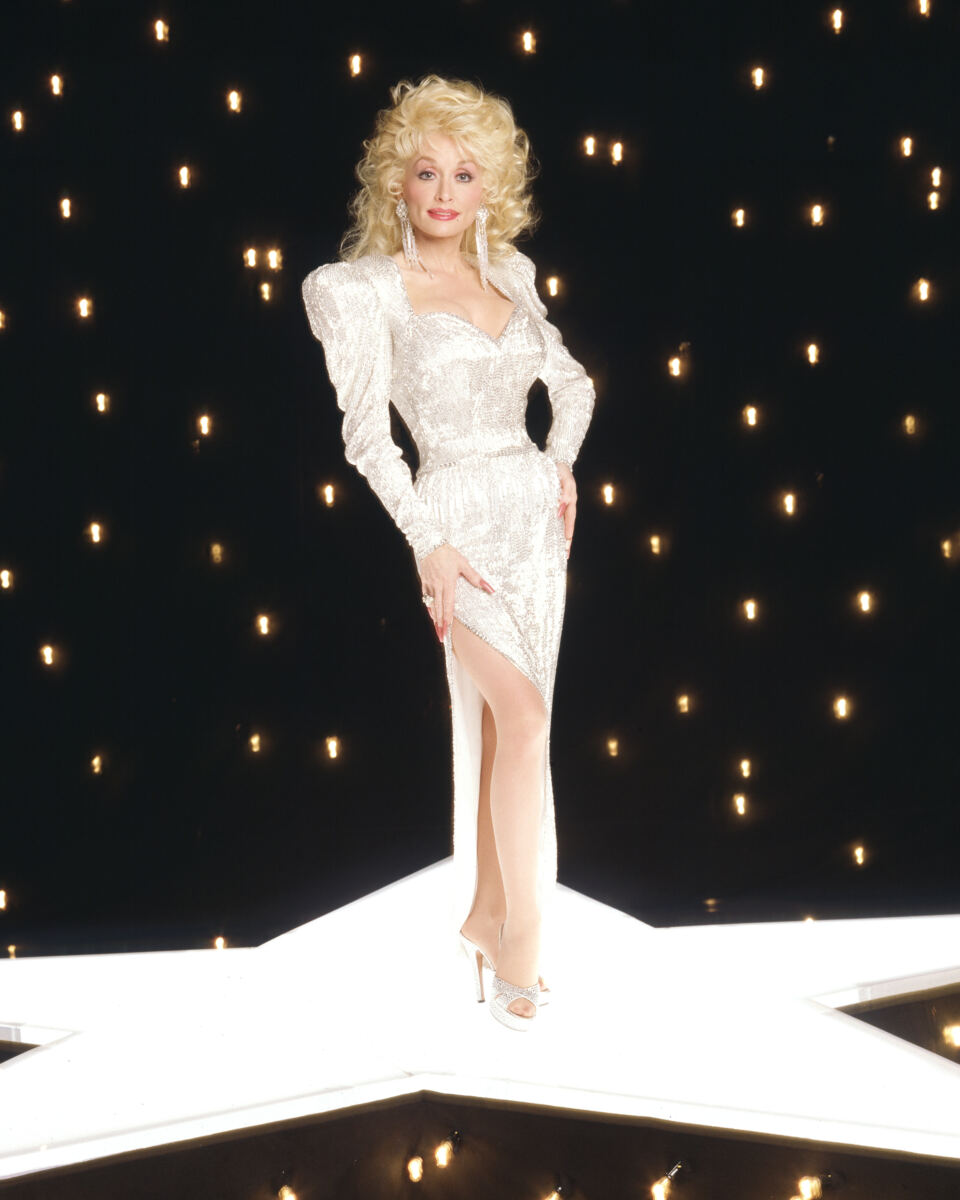
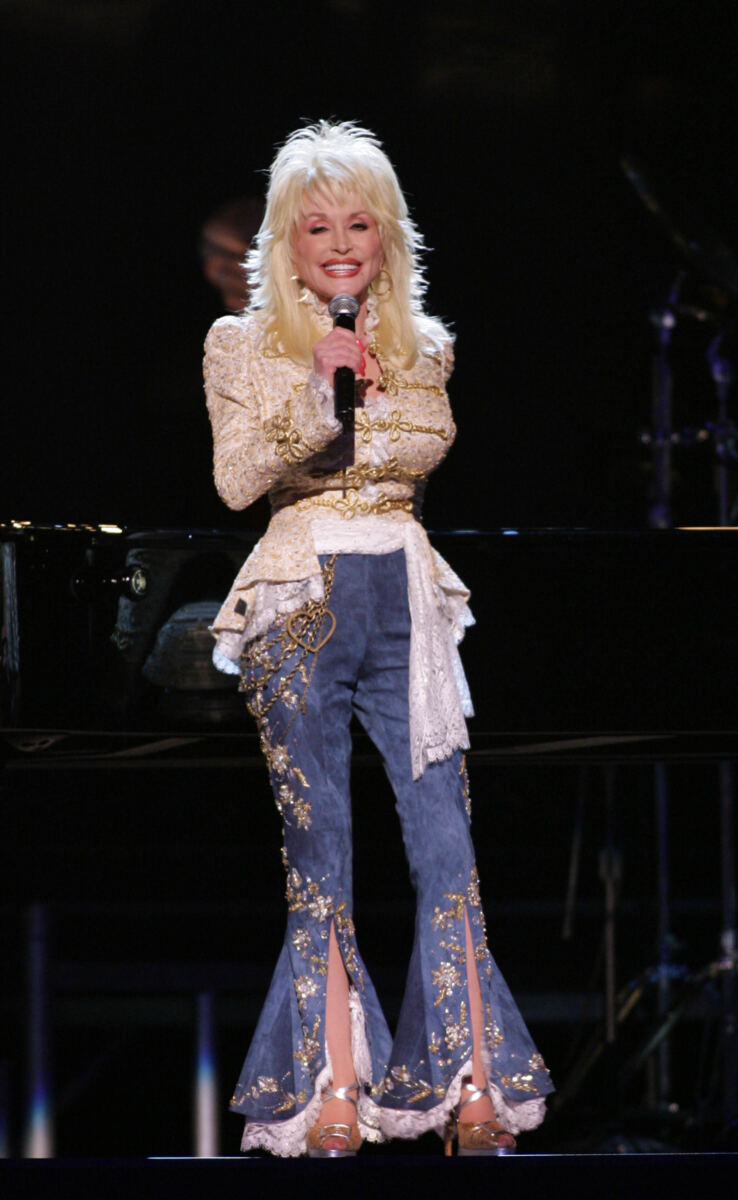
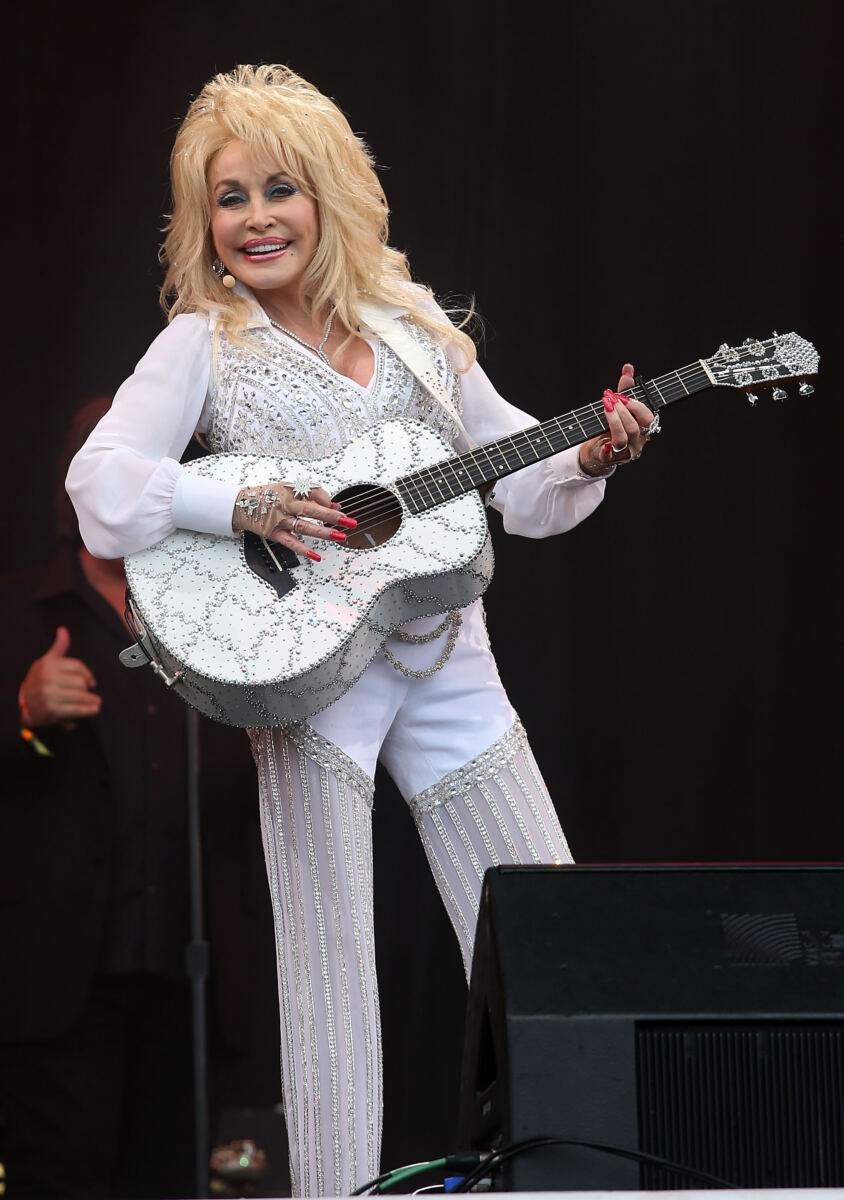
Parton’s signature look — towering wigs, rhinestone-encrusted gowns, and dramatic makeup — became as famous as her voice. “It costs a lot of money to look this cheap,” she once famously said, turning a potential insult into a badge of honor that defined her self-aware approach to fame.
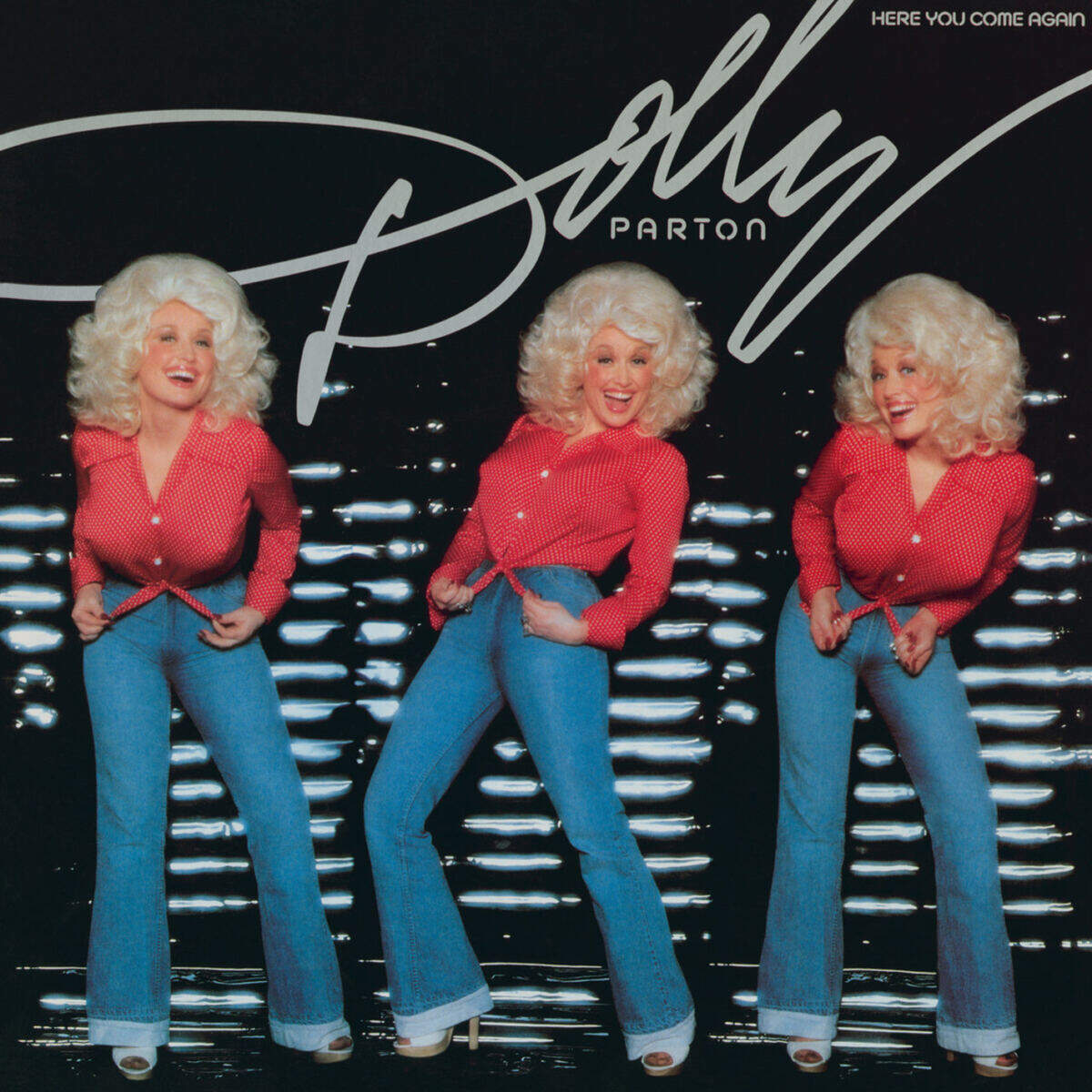
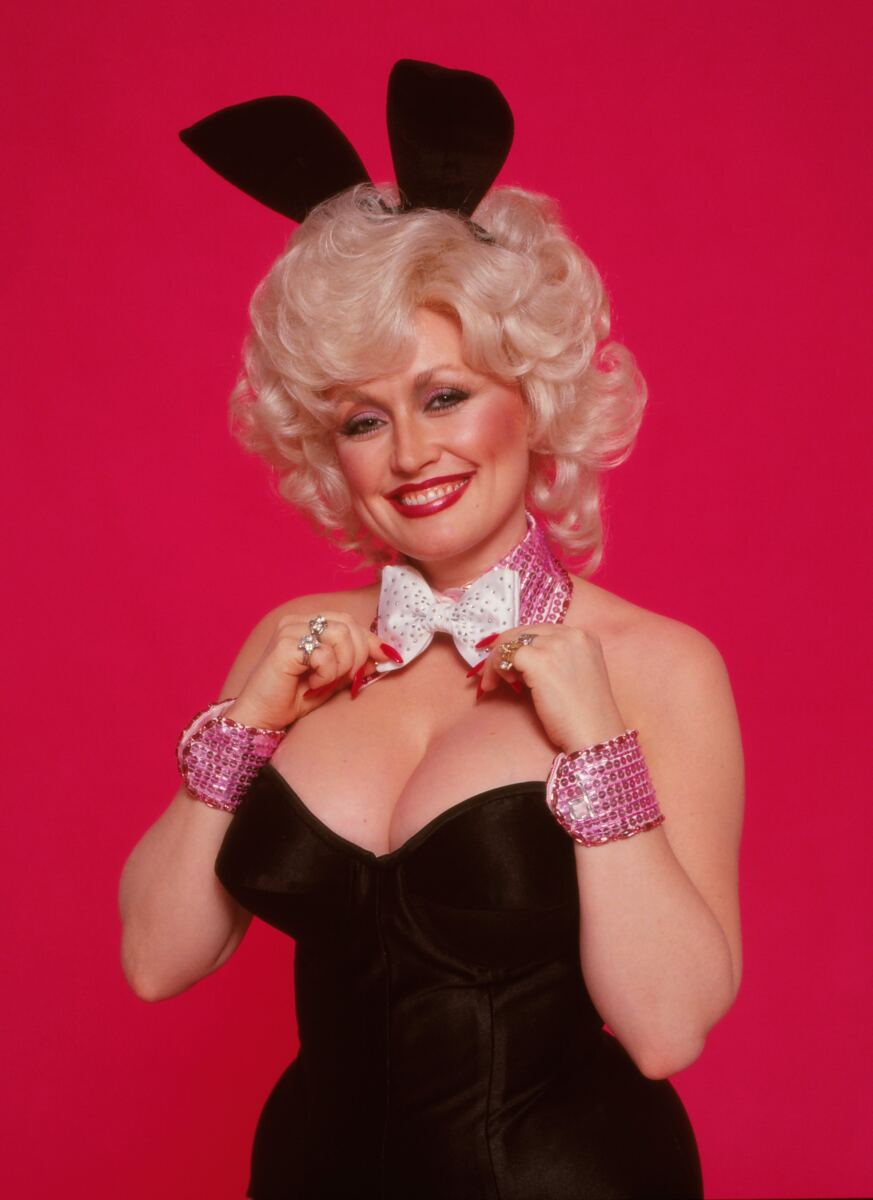
That quote, delivered with the wink that characterized her public persona, encapsulated how Parton spent six decades controlling her own narrative. She built an image so exaggerated it became unmistakably authentic, transforming working-class glamour into high art.
The 11-time Grammy winner first broke through in 1967 with “Hello, I’m Dolly” and never slowed down, releasing hits across six decades that sold more than 100 million records worldwide. Her crossover success paved the way for generations of country artists seeking pop audiences.
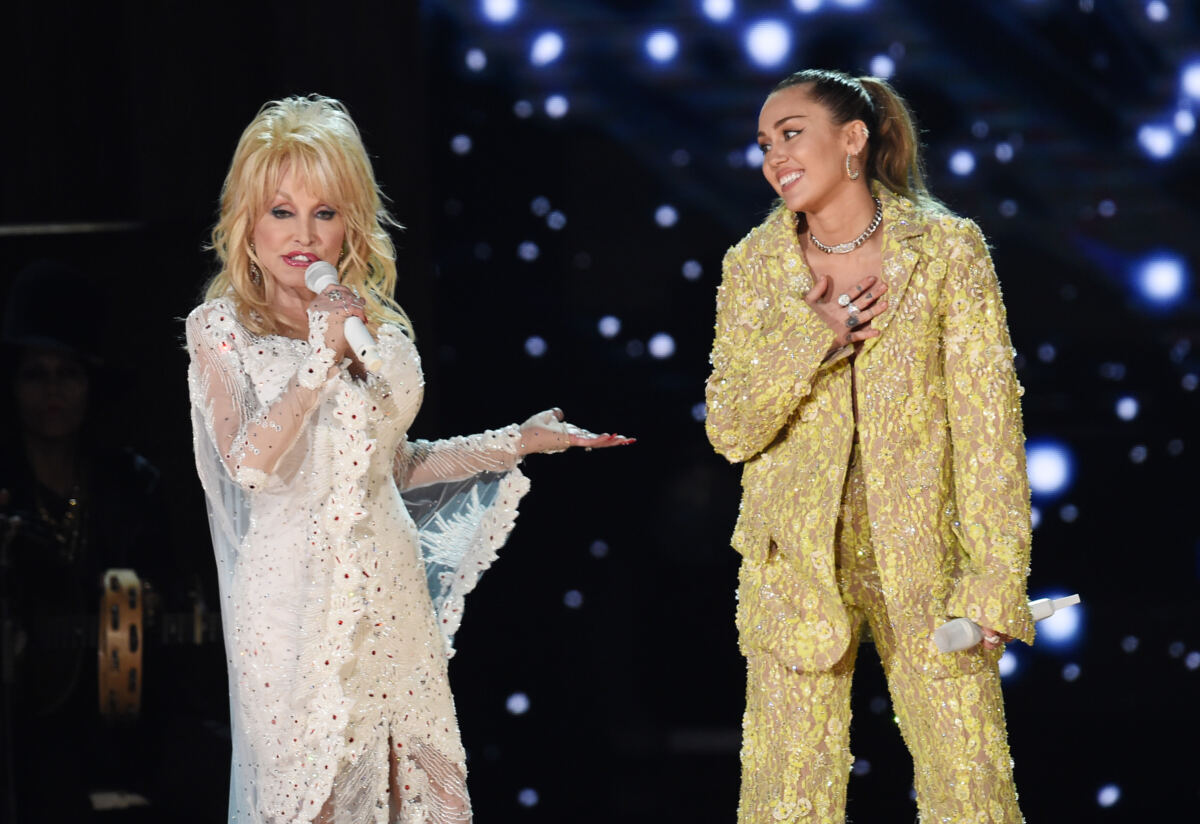
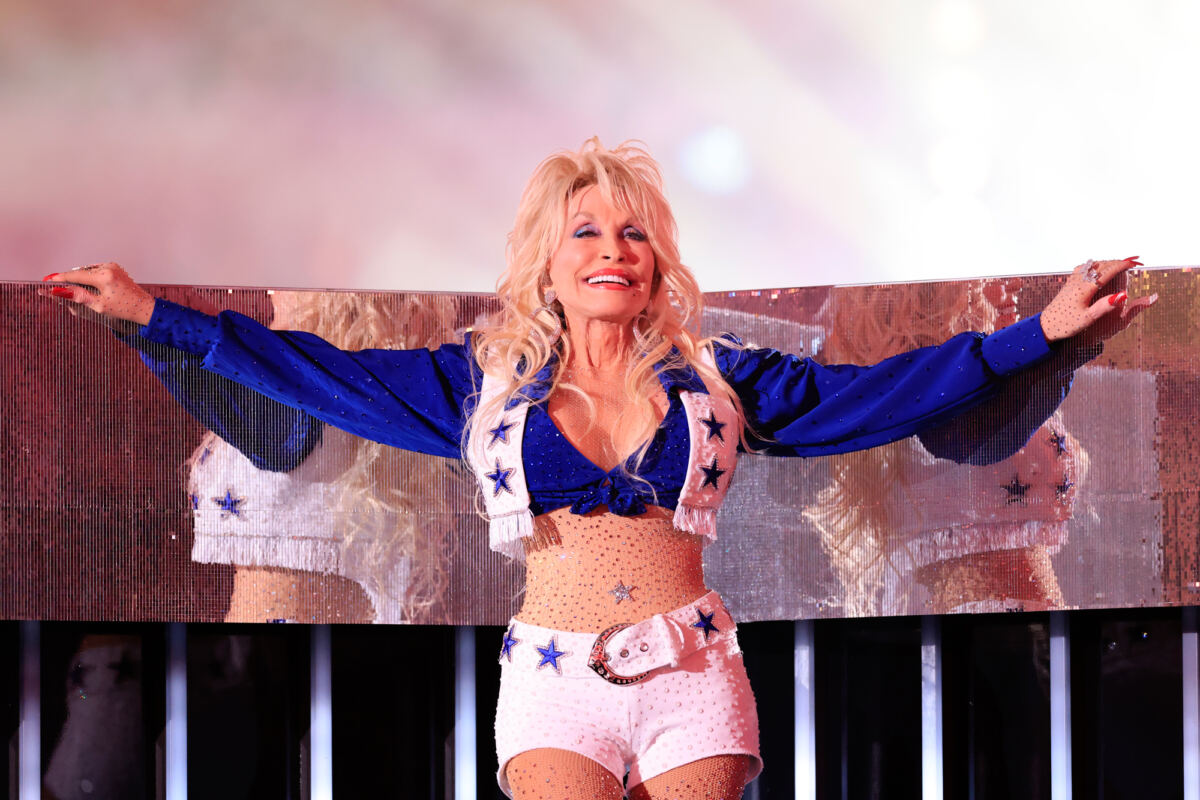
Beyond music, Parton became one of entertainment’s most prolific philanthropists. Her Imagination Library has distributed more than 200 million books to children since 1995, a project born from her father’s illiteracy that expanded across five countries. She also donated $1 million to Vanderbilt University Medical Center, helping fund research that contributed to Moderna’s COVID-19 vaccine.
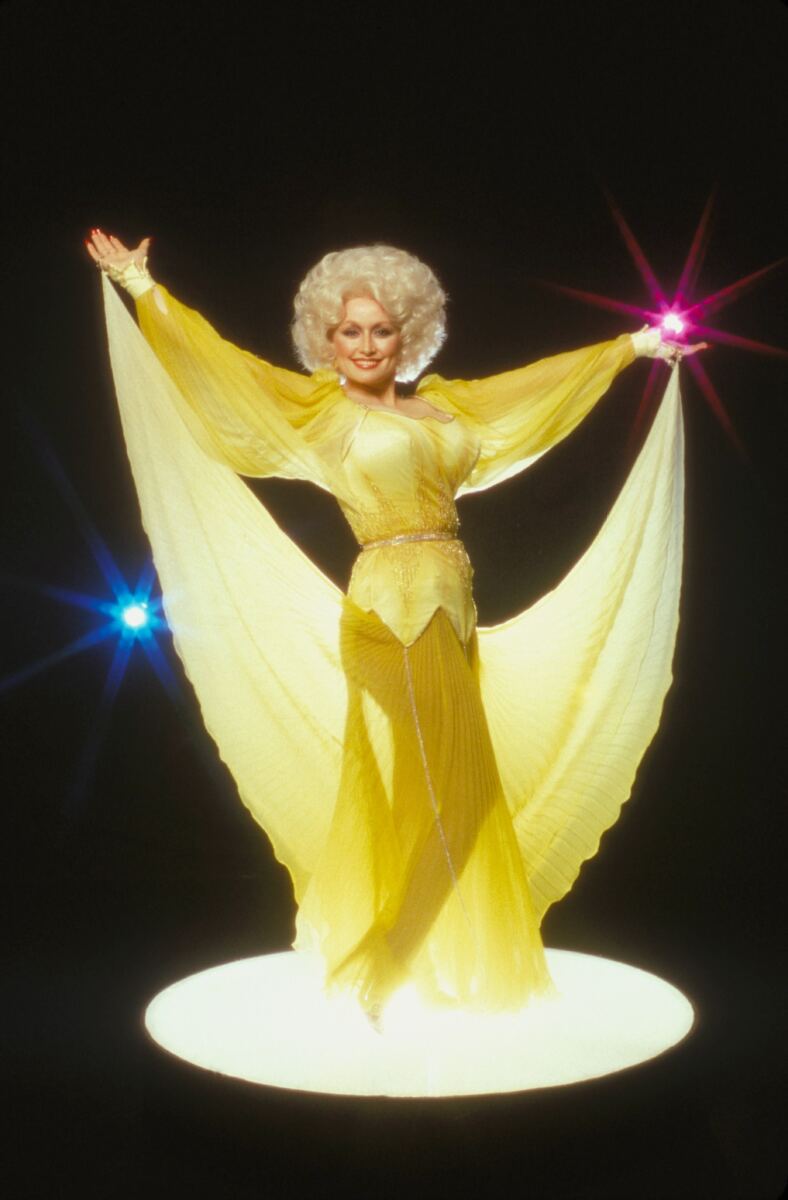
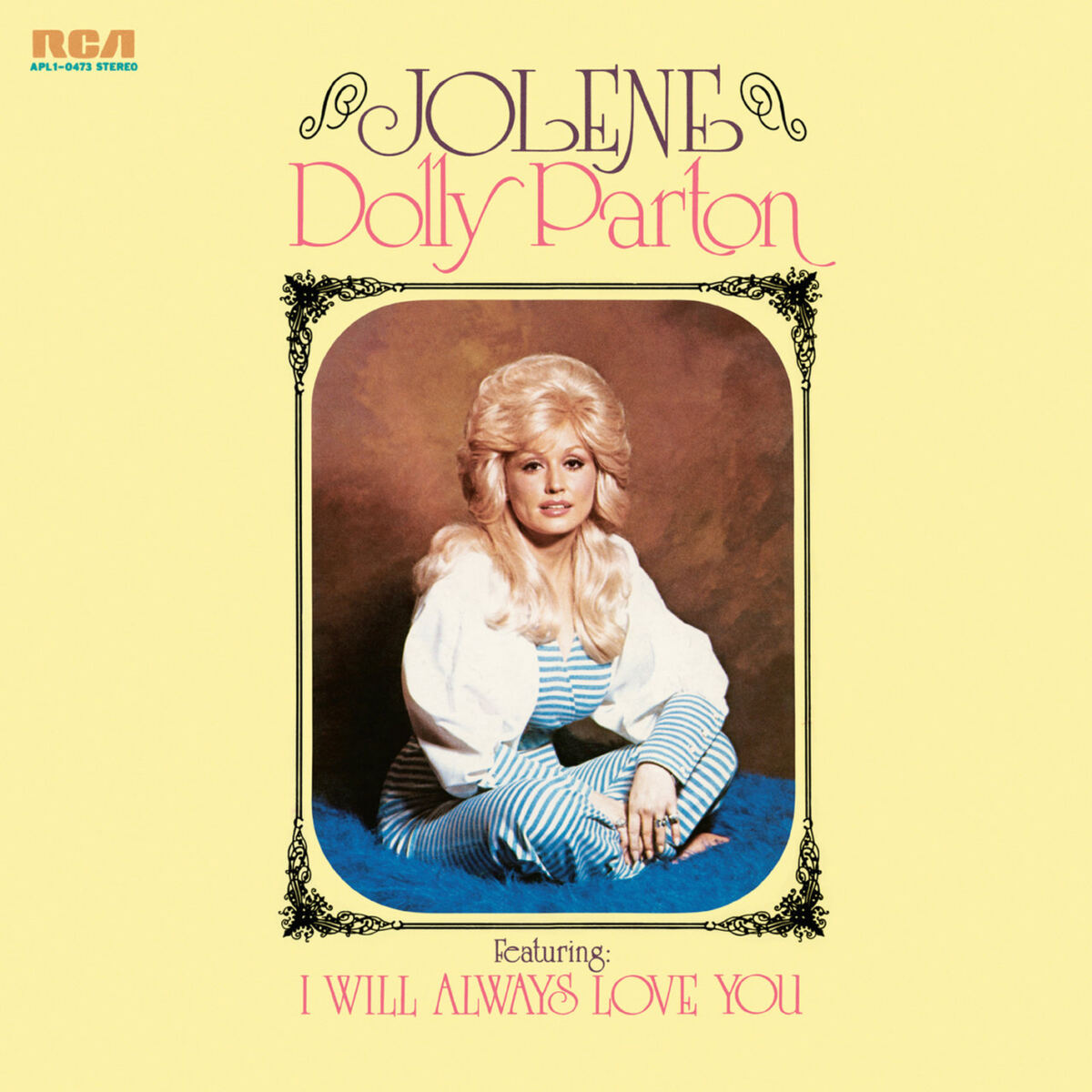
Parton’s 1974 hit “Jolene” became a permanent fixture in popular consciousness, covered by artists from the White Stripes to Beyoncé. The song’s desperate plea to a romantic rival — “Please don’t take him just because you can” — showcased the storytelling economy that defined her best writing. Her 1971 coat-of-many-colors ballad, drawn from childhood poverty in Tennessee’s Smoky Mountains, similarly transformed autobiography into universal anthem. These early compositions established patterns she would repeat: class consciousness rendered without self-pity, female vulnerability paired with steely resolve.
Parton maintained that she never missed a show due to illness, a claim that held true through numerous health challenges she addressed with characteristic directness. She underwent a partial hysterectomy in the 1980s, dealt with endometriosis, and later spoke openly about a 2008 diagnosis of Barrett’s esophagus that required lifestyle changes. Through each episode, she projected the same unwavering positivity that fans came to expect.
Her film career added further dimensions to her fame, from “9 to 5” in 1980 to “Steel Magnolias” in 1989 and the recent Netflix holiday specials that introduced her to younger viewers. Each role leaned into her established persona while revealing unexpected dramatic range.
The Dollywood theme park she opened in 1986 remains one of Tennessee’s largest tourist attractions, employing thousands and anchoring the Pigeon Forge economy. She appeared at its openings and celebrations regularly, treating the property as an extension of her own story.
Tributes continued pouring in from across the entertainment industry as news of her death spread, with musicians, actors, and political figures acknowledging her singular place in American culture. Her family has requested privacy during this time while planning memorial services.