

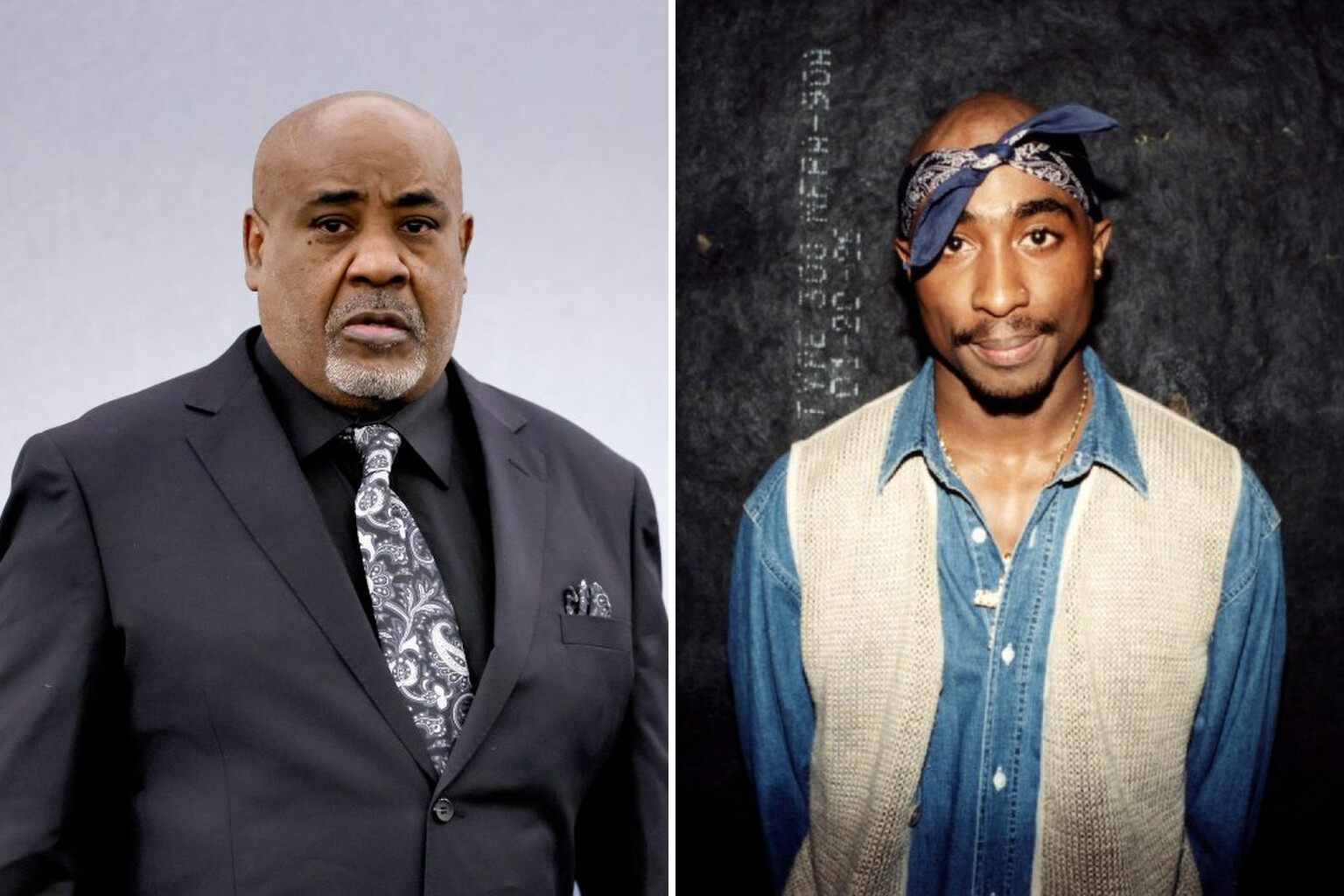
Duane “Keffe D” Davis was sentenced to 40 years to life in prison for masterminding the 1996 murder of Tupac Shakur.
The sentence came Tuesday in a Las Vegas courtroom, capping a case that stretched nearly three decades and made Davis, 61, the first person ever convicted for the rap icon’s killing. Shakur’s sister Sekyiwa and brother Maurice were both present to deliver victim impact statements before Judge Carli Kierny imposed the term.
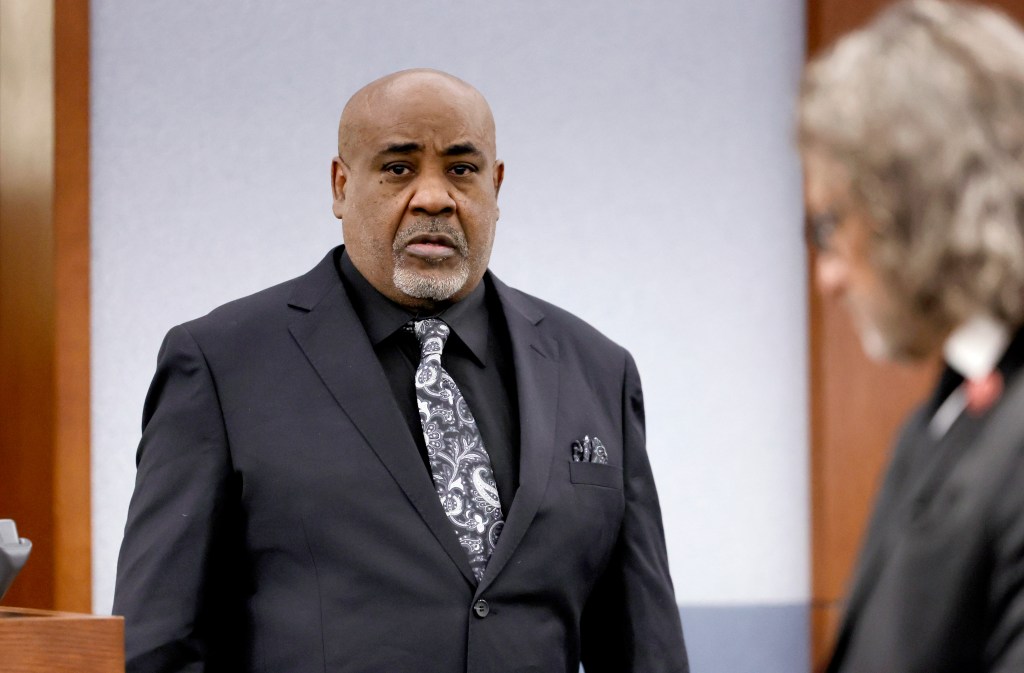
Prosecutors had pushed for the maximum possible punishment, arguing Davis’s conduct before and after the crime warranted no leniency. “He’s the only one who’s trying to profit off a killing that he committed, and for that he doesn’t deserve the minimum sentence,” prosecutor Marc DiGiacomo told the court. “He deserves the maximum possible sentence because he’s earned it through his actions, his behavior, and who he is as he stands here today.”
Defense attorney Michael Sanft had requested the same 40-year floor but framed it as an alternative to life, noting that an appeal of the August conviction was already planned. Sanft had earlier tried to undercut Davis’s own admissions by likening his 2019 memoir to Hollywood fiction. “Has anybody seen the documentary called ‘Titanic,’ with Jack and Rose?” Sanft jibbed during closing arguments, attempting to cast the book as historical fabrication rather than confession.
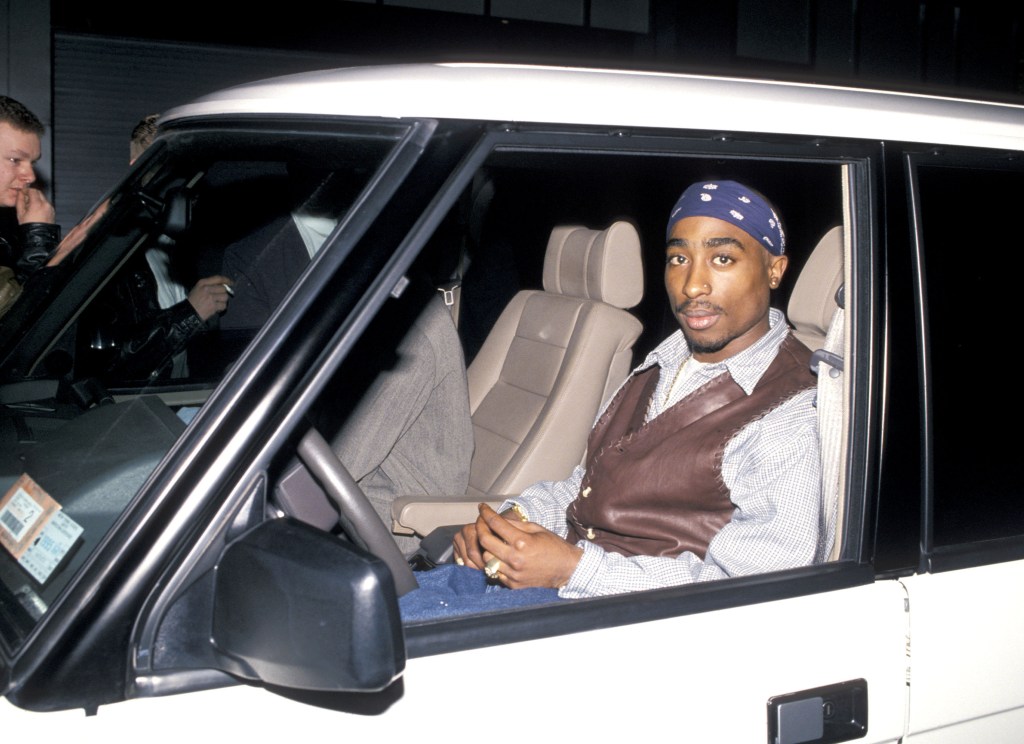
Those self-incriminating statements proved central to the prosecution’s case. Davis first owned up to his role while trying to dodge potential charges in 2008, then laid out the entire plot in the memoir that directly led to his 2023 arrest.
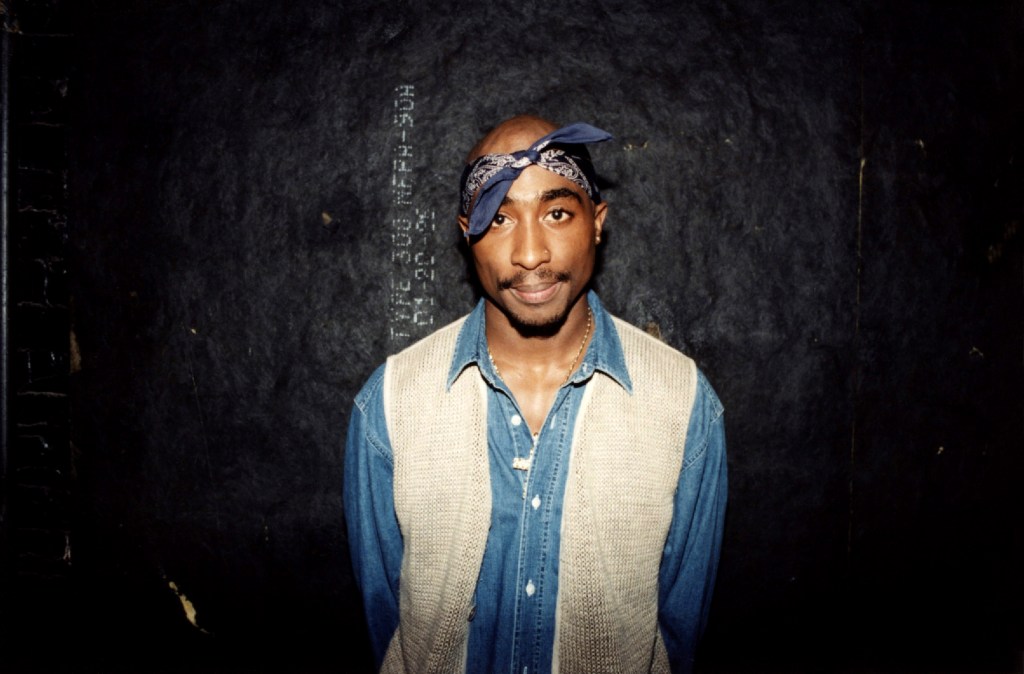
The killing itself followed hours of escalating gang tension. Shakur, then 25, had been affiliated with a rival Bloods faction and was involved in a casino beatdown of Davis’s nephew shortly before midnight on September 7, 1996. Chief Deputy District Attorney Binu Palal told jurors that under the unspoken rules of 1990s Compton gang culture, such a public humiliation demanded violent retaliation. “That was the nature of the gang life in the 1990s in Compton – you had no choice, you could not go back to Compton after being beaten publicly,” Palal said during his closing arguments.
Palal described Davis as an enraged “shot caller” in a Los Angeles Crips chapter who “got a gun and went hunting for Tupac Shakur.” A gunman other than Davis ultimately fired the fatal shots from a moving vehicle near the Las Vegas Strip. Shakur died from his wounds six days later.
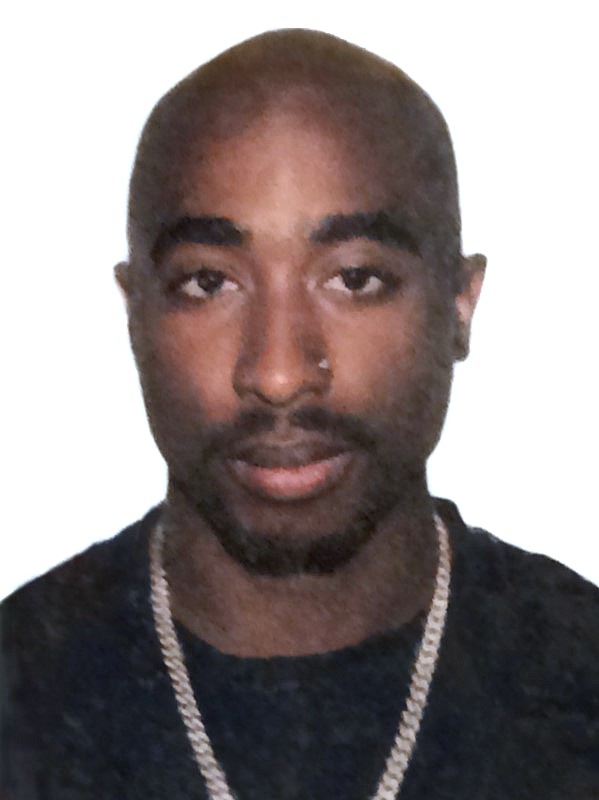
The prosecution emphasized that Davis’s own words merely confirmed what circumstantial evidence already established. The case was “drenched with circumstantial evidence” placing him at the center of the conspiracy, prosecutors argued, with his boasts and memoir providing the capstone.
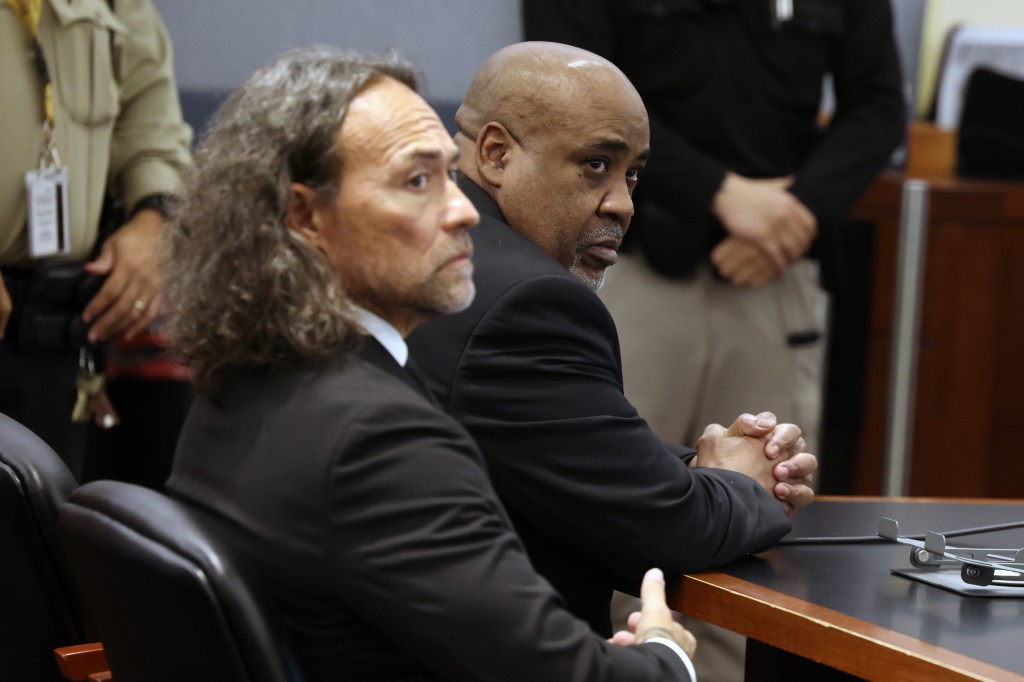
Davis’s conviction in August ended one of American music’s most notorious unsolved cases. The drive-by shooting had spawned decades of speculation, conspiracy theories, and frustration from Shakur’s family and fans as multiple investigations stalled and no suspect ever reached trial until Davis.
The defense’s “Titanic” comparison failed to sway the jury, which returned a guilty verdict on first-degree murder charges after deliberating over the accumulated evidence and Davis’s own detailed accounts of orchestrating the hit.
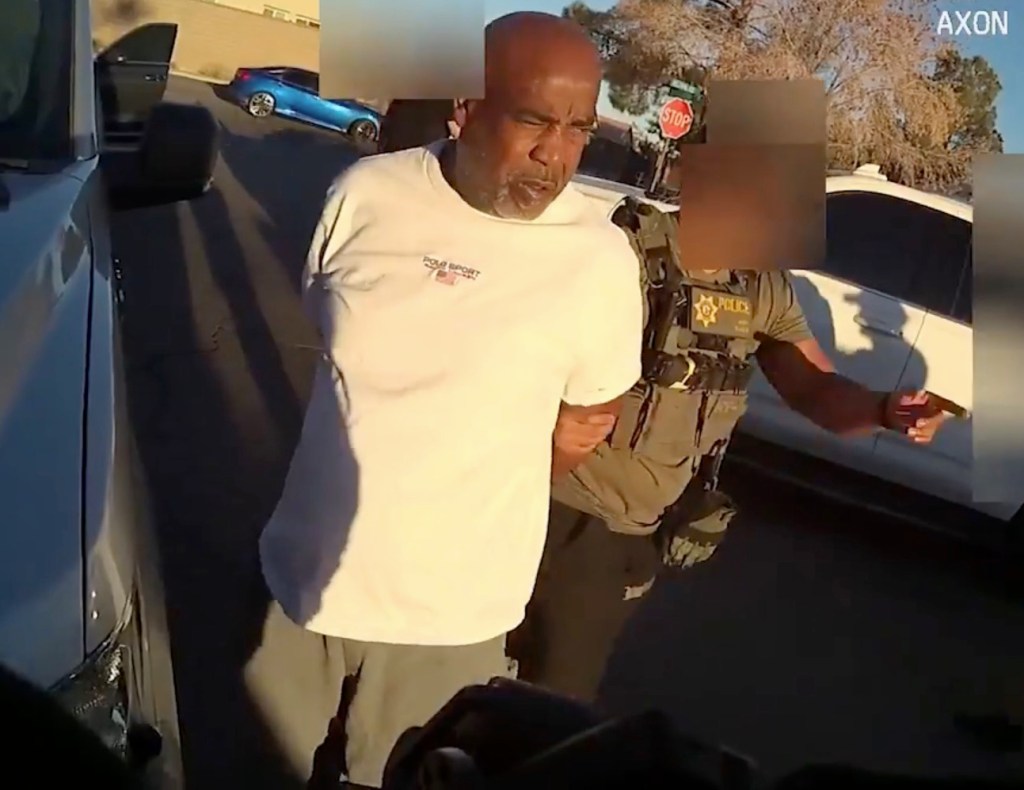
Davis now faces the remainder of his life behind bars while his legal team pursues an appeal. The sentence ensures he will serve at minimum four decades before any possibility of parole consideration.