

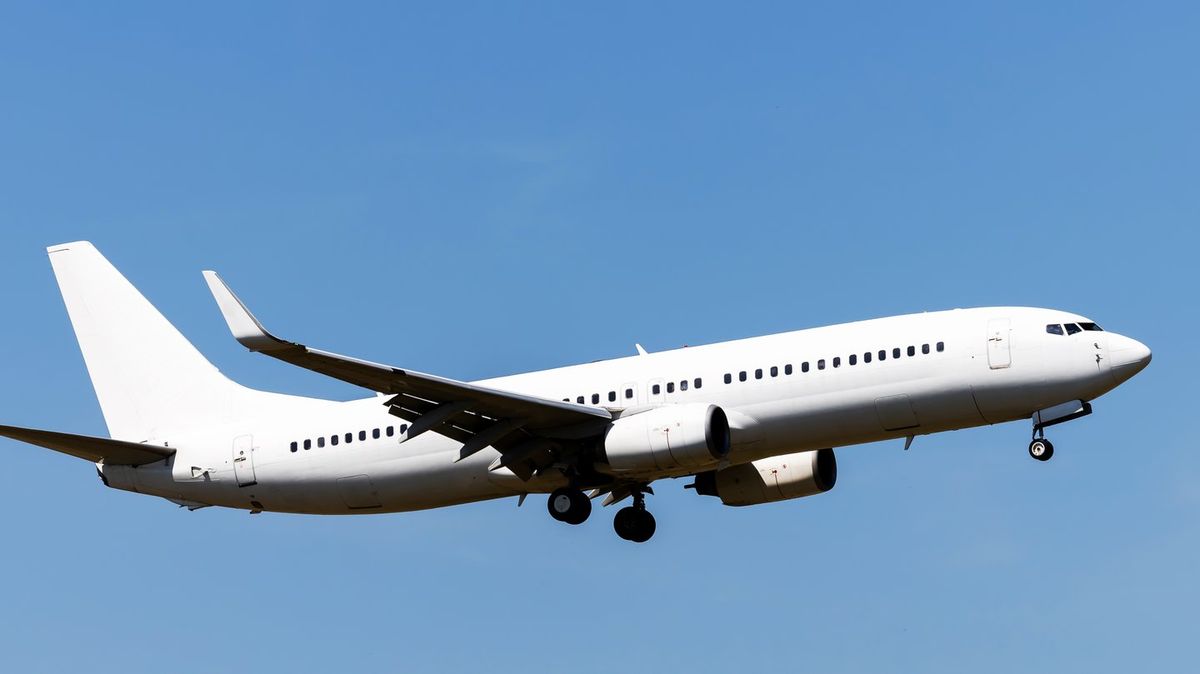
Eight people died when a charter plane crashed Thursday while approaching a remote radar site in western Alaska.
The aircraft, carrying two pilots and six passengers, went down near Cape Newenham Long Range Radar Site Airport, according to federal officials and military spokespeople. There were no survivors. The crash occurred in a rugged, isolated region of Alaska where the radar installation serves critical defense and air traffic functions.
US Air Force Lt Gen Robert Davis, commander of Alaskan Command, addressed the loss in a written statement. “This is a devastating loss for our military family and the communities we serve,” Davis wrote. The radar site at Cape Newenham is part of a network of long-range radar installations that monitor airspace across Alaska’s vast western reaches.

The National Transportation Safety Board confirmed it is investigating the crash. A federal official told reporters the aircraft was on approach to the remote airport when it went down. Weather conditions and other factors that may have contributed remained under review as recovery operations began.
The charter flight had been arranged through the Army Corps of Engineers, which maintains the radar infrastructure at the site. Cape Newenham sits on Alaska’s western coast, accessible primarily by air and subject to rapidly shifting weather that complicates aviation in the region.
Military officials emphasized the human toll of the disaster. The eight victims had been traveling to support operations at the radar facility, which plays a role in both civilian and defense air surveillance for the region. Names of those killed were being withheld pending notification of next of kin.
The Army Corps of Engineers operates and maintains the Long Range Radar System across Alaska, with sites positioned to provide comprehensive coverage of air approaches to North America. Personnel rotations and supply deliveries to these isolated installations depend heavily on charter aviation.
Initial reports of the crash spread rapidly across news outlets and social platforms Thursday as officials confirmed the scale of the loss. The NTSB dispatched investigators to begin examining wreckage and flight data. Recovery efforts faced immediate challenges due to the site’s remoteness and difficult terrain.
The crash marked one of the deadliest aviation accidents in Alaska this year. The state, with its sprawling distances and limited road network, relies extensively on air travel, but that dependence comes with elevated risks particularly around isolated facilities like Cape Newenham.
Federal aviation records showed the charter operator had been conducting regular flights to support military and government installations across western Alaska. The specific aircraft type and its maintenance history were expected to be central to the NTSB probe.
The investigation will examine pilot experience, aircraft condition, weather data, and communications with air traffic facilities during the approach phase. NTSB officials typically issue a preliminary report within weeks, though full determinations of cause can take a year or more.