

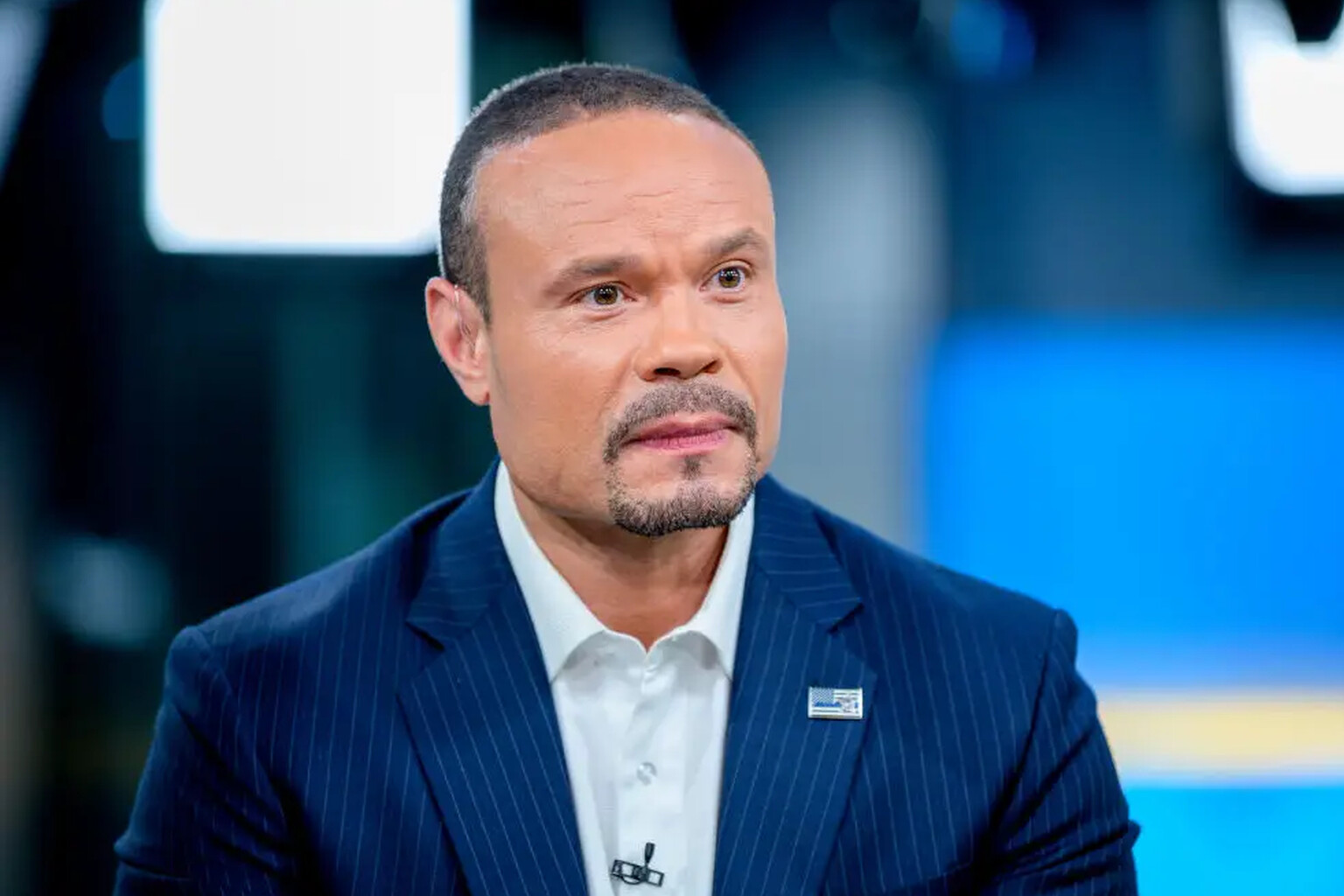
Dan Bongino has urged Americans to begin stockpiling emergency supplies immediately, warning that personal preparedness is becoming essential as governments worldwide escalate civil defense planning.
Bongino, 51, who served as FBI Deputy Director and previously worked for the Secret Service and NYPD, delivered the message Monday on The Dan Bongino Show podcast. He framed his appeal around a simple principle: individual households must mirror the military’s own contingency preparations.
“Have yourself an emergency radio, have yourself some batteries, get yourself some emergency food, get yourself a rain collection and water filtration, some filtration tablets,” Bongino said on the podcast.
“Get your stuff today. Please. Do it for your family,” he added, pressing listeners to follow the same guidance that UK and European governments are now issuing to their citizens.
His call came the same day details emerged of FORTRESS, a Pentagon initiative designed to sustain US military operations for at least 90 days even if civilian infrastructure collapses. The plan envisions portable nuclear reactors, large-scale battery systems, independent local power grids, and civilian factories capable of pivoting to defense production. Stockpiles of ammunition, fuel, critical minerals, and medical supplies would also be maintained under the program.
Pentagon chief spokesperson Sean Parnell said: “We don’t want to rely on standard civilian municipal infrastructure to run our national defense.”
Bongino drew a direct line between the Pentagon’s fortress concept and what ordinary Americans should do at home. “The Pentagon’s doing its job to keep our national security safe and make ‘Fortress America.’ You have to make ‘Fortress my house,’ ‘Fortress my apartment.’ Please, do it for everyone. Your neighbors are not going to have any extra food,” he said on the podcast.
The federal government already maintains parallel guidance for civilians through FEMA and Ready.gov. Current recommendations call for households to assemble disaster supply kits covering at least three days of needs, with an optimal target of up to two weeks for sheltering scenarios.

Specifically, Americans are advised to store one gallon of water per person daily for drinking and sanitation, plus multi-day supplies of non-perishable foods requiring no preparation—canned goods, protein bars, and peanut butter among them. The checklist expands to battery-powered or hand-crank NOAA weather radios, flashlights, extra batteries, first aid kits, a seven-day supply of critical prescription medications, sanitation items including garbage bags and moist towelettes, local maps, cell phone power banks, dust masks, and plastic sheeting for sheltering in place.
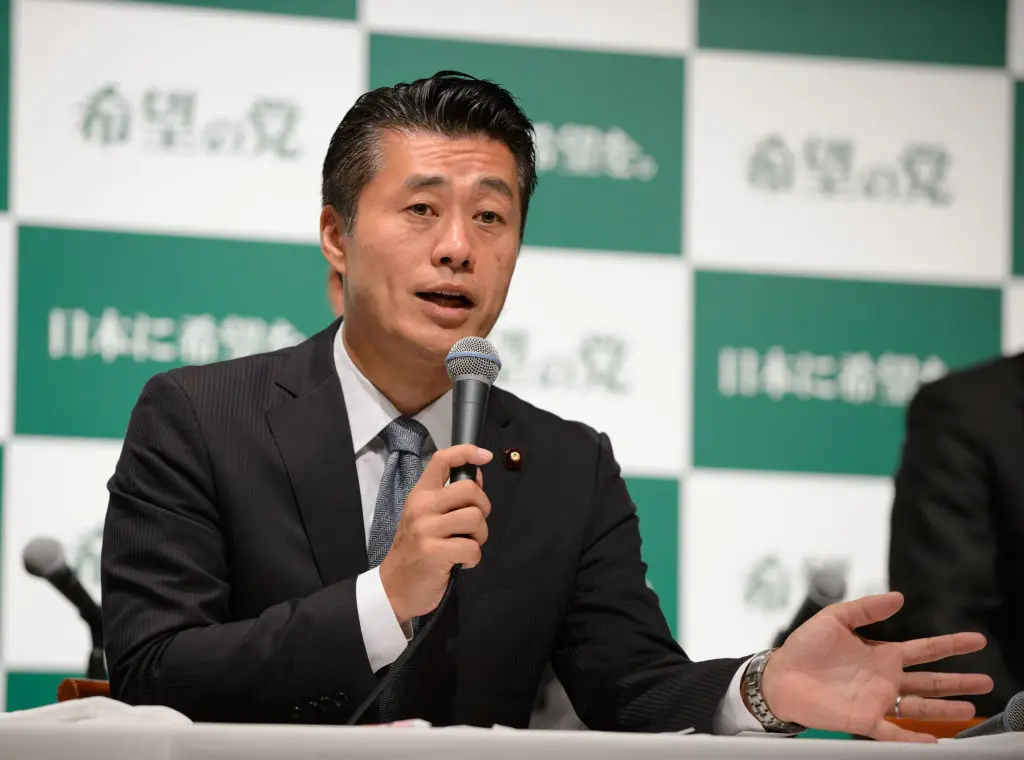
This intensifying focus on domestic preparedness tracks with a broader international pattern. The UK released updated guidance this month explicitly recommending three days of supplies to withstand severe weather, cyberattacks, or other service disruptions. Sweden, Germany, Ireland, the Netherlands, and France have issued similar household advisories. Japan’s Disaster Management Minister Goshi Hosono announced the country will formally urge every household to maintain at least three days of food, water, and toilet supplies, anticipating major natural disasters such as large earthquakes or volcanic eruptions.
Bongino emphasized that preparation should not tip into paralysis. “Panic kills,” he said on the podcast, arguing that the most effective safeguard against catastrophe is planning for worst-case scenarios before they materialize.
“I was not in the military. I haven’t been in combat but ask your heroes who have been. They will tell you: you can’t panic,” he continued.
The convergence of military contingency planning, governmental civilian guidance, and high-profile public appeals marks a notable shift in how preparedness messaging is reaching American households. Where civil defense once carried Cold War associations, the current framing emphasizes resilience against a spectrum of threats—from infrastructure failure to natural disaster to geopolitical disruption—without specifying particular adversaries or imminent dangers.
Bongino’s platform as a podcast host with federal law enforcement credentials places him in a distinct position to amplify these themes. His career trajectory through the Secret Service, NYPD, and FBI Deputy Director role provides a backdrop that distinguishes his commentary from purely media-based voices, even as he operates outside official government channels.
The Pentagon’s FORTRESS plan, revealed alongside Bongino’s podcast episode, represents the most concrete institutional expression of these preparedness priorities. By seeking to decouple military functionality from civilian grid dependence, the program acknowledges vulnerabilities that civilian preparedness advocates have long highlighted.
Bongino’s podcast airs weekdays.