

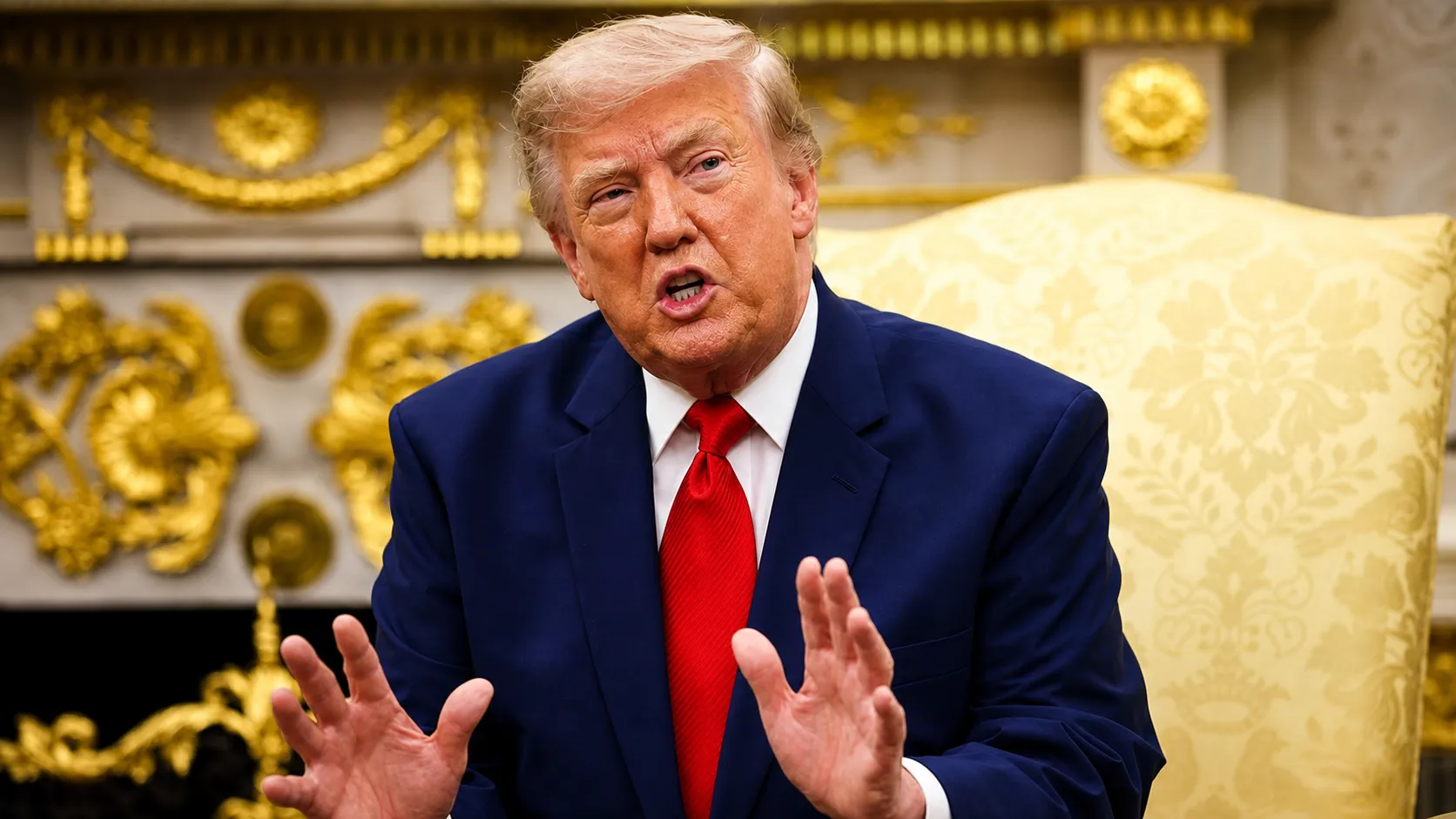
A Social Security commentator has shared a fresh update on the proposed $2,000 stimulus checks that President Donald Trump said could be sent out.
The idea was first floated in July of last year, but no payments have been issued so far, leaving many people wondering whether the checks will happen at all and, if so, when.
Trump had suggested the money for those dividends would come from the large tariff revenues generated by duties placed on imported products.
In November, he said that ‘high-income people’ would be excluded from receiving the payments. However, he did not clarify how that would apply to married couples or provide a firm date for distribution.
After being asked by the outlet, Trump said the money could arrive ‘towards the end of the year’. Now, a YouTube creator who regularly discusses Social Security and federal benefits has pointed to a possible window tied to upcoming legislation.
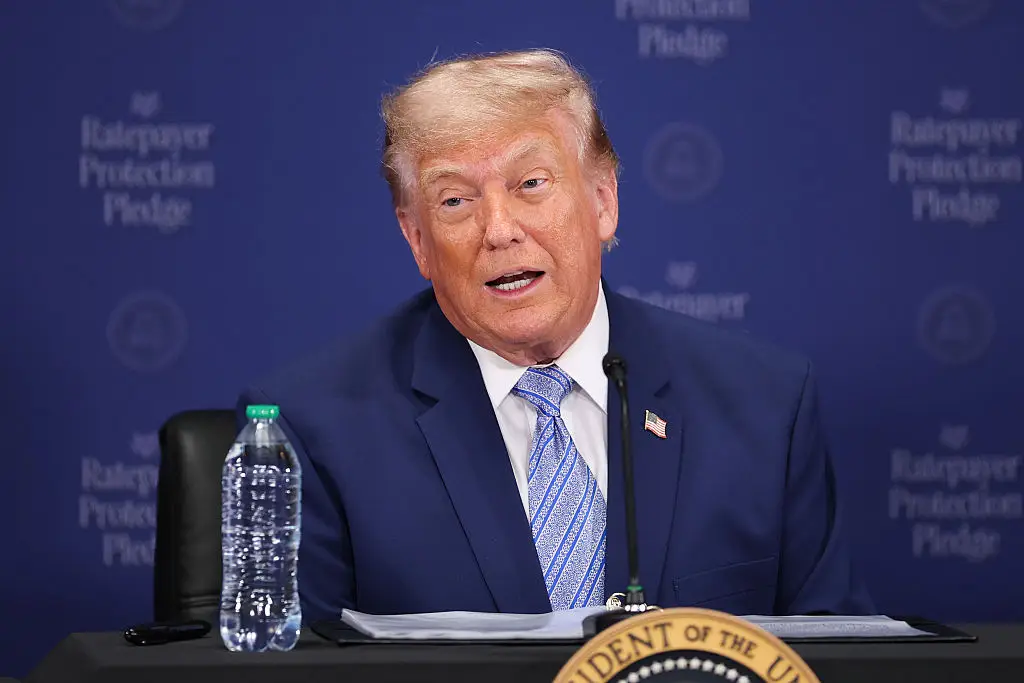
Matt, who runs the Blind to Billionaire YouTube channel, recently posted a video discussing when Americans might hear more about the proposed $2,000 checks. In his view, any movement could come alongside a future bill.
He pointed to the Reconciliation 3.0 bill, which Politico has reported House Republicans want to advance. That legislation would help fund federal operations and set up a budget framework for a $95 billion party-line package.
As of July 2026, the clearest formal proposal on the idea is the Trump Tariff Rebate Act, which would increase the standard deduction by the tariff rebate amount rather than send a direct paper check. Under the bill, the rebate amount would be $4,000 for joint returns or surviving spouses, $3,000 for heads of household and $2,000 for other filers. The measure was introduced in the House in December 2025 and remains referred to the Ways and Means Committee.
Matt also noted that there have been “multiple proposals” resembling the type of payment Trump previously described.
According to him, an early August timeline would be ideal, but he does not expect lawmakers to finish by then because Congress is typically away during that period. Instead, he suggested mid-September, after Labor Day, as a more realistic point for getting the measure completed.
“And remember, they need to get some more things done here before the end of the fiscal year, which is September 30th,” the expert continues.
“The newest fiscal year begins October 1st, and we absolutely 100% know that they want to get things done by the midterm election, which is again early November.”
He stressed that he was not making any promises, but said lawmakers could ‘easily include something into this next reconciliation bill if they just so wanted to’.
Separate reporting from CNBC said the average US household absorbed $1,725 in tariff-related costs between February 2025 and January 2026.
That outlet also reported that applications for tariff refunds opened on April 20 following an order from the U.S. Court of International Trade. Major retailers including Target and Walmart have already submitted claims.
Because of that, some analysts told CNBC that the prospect of rebate checks for American families funded through tariff revenue now appears highly unlikely.
“Even if tariffs were to return to prior levels and generate revenue for a broad stimulus program, there does not appear to be sufficient political support to move such a measure through Congress,” Certified financial planner Stephen Kates told CNBC.
“The odds of this policy moving forward is now effectively zero.”
While the administration has already put a separate tariff refund system in place for importers seeking repayment of duties ruled illegal by the courts, that process is aimed at businesses and does not automatically translate into household stimulus checks. As of now, there has been no enacted law authorizing a broad $2,000 payment to Americans.