


Gloria Steinem, the pioneering journalist who became one of the most visible architects of modern American feminism, has died at 92.
The activist died Wednesday at her home in New York City, according to a statement posted Thursday on her official Instagram account. She passed away peacefully surrounded by people close to her, with no cause of death given.
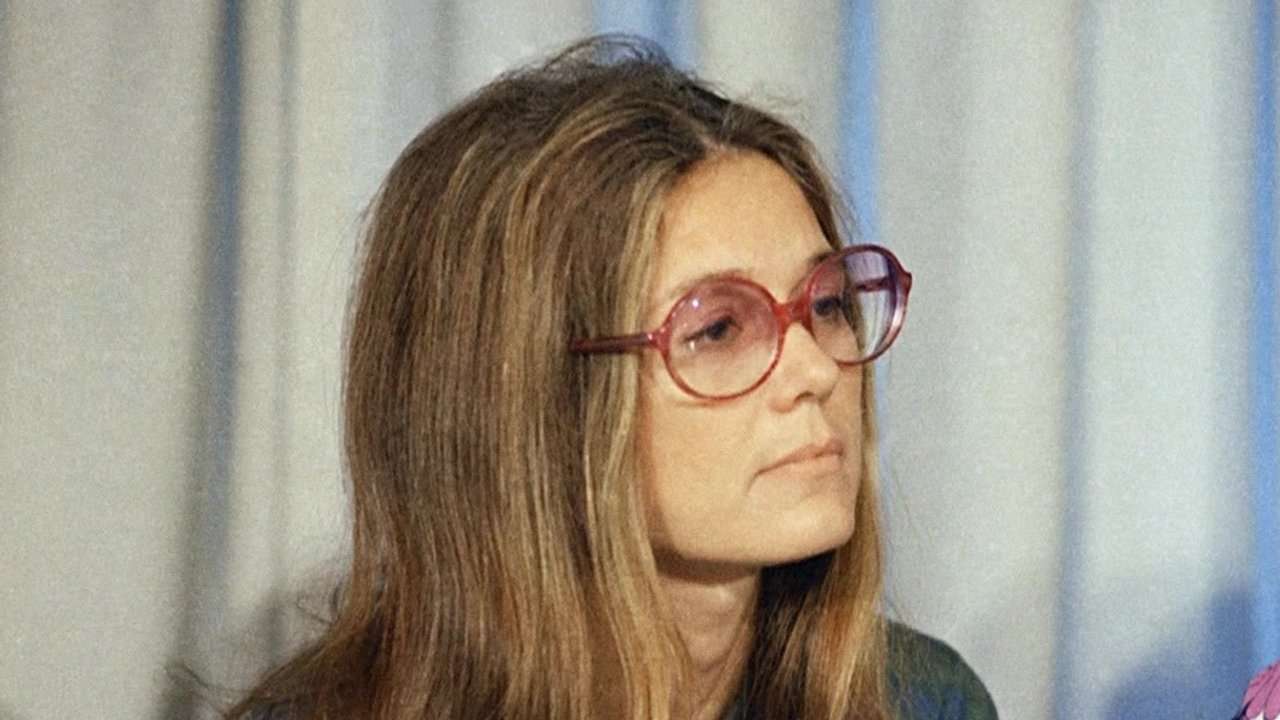
Born March 25, 1934, in Toledo, Ohio, Steinem spent much of her childhood traveling across the country with her mother Ruth, her father Leo, and older sister Susanne. Her father worked as a traveling antiques salesman, and the instability of that life meant Steinem did not attend school regularly until she was 11, following her parents’ divorce.

After graduating from Smith College in 1956 with a degree in government, she spent two years in India on a fellowship before moving to New York to pursue journalism. She struggled to be taken seriously as a woman in the industry, a barrier she eventually shattered through one of the most famous undercover assignments in magazine history.
In 1963, Steinem went undercover as a Playboy Bunny, working under a fake identity for several weeks at a Playboy Club. She produced a diary-style exposé for Show magazine that revealed demanding expectations around women’s appearance and behavior, and how the clubs took substantial portions of their tips.
Steinem later became a founding editor and political columnist at New York magazine in 1968. Three years after that, she co-founded Ms. Magazine, which became an independent publication in 1972. In 1976, Ms. Became the first national magazine to put domestic violence on its cover.
Her activism on reproductive rights was rooted in personal experience. While in London at age 22, Steinem discovered she was pregnant and sought an abortion at a time when the procedure was illegal. She later said the experience fueled her lifelong interest in reproductive freedom.
“Nobody would choose one if they didn’t have to,” she said in 2019 when discussing abortion.
Steinem spent decades campaigning on issues including reproductive freedom, domestic violence and gender inequality in the workplace, becoming one of the defining voices of second-wave feminism. Her work helped push issues that had once been treated as private concerns into the national conversation.
The announcement of her death on Instagram marked the end of an era for a figure who had remained active and influential well into her ninth decade, her voice still central to debates over gender equality that she helped force into mainstream discourse decades earlier.