


Louisiana health authorities are warning residents after an unusual rise in infections linked to a rare but highly dangerous bacteria that has already killed multiple people in the state this year.
On Thursday, the Louisiana Department of Health said there have been nine confirmed cases of Vibrio vulnificus in 2026. The bacteria is sometimes described as ‘flesh-eating,’ and five of the nine reported infections have been fatal.
State officials said that is a notable increase from what Louisiana would normally record by this point in the year. In past years, the department typically saw about seven cases and one death over the same period. In 2025, Louisiana reported 26 cases and five deaths, marking a continued upward trend from historical averages.
Investigators found a shared factor in all of this year’s cases: each patient had an open wound that was exposed to seawater, and every person infected was also dealing with underlying medical conditions. These conditions typically include liver disease, diabetes, HIV, cancer, hemochromatosis, or compromised immune systems.
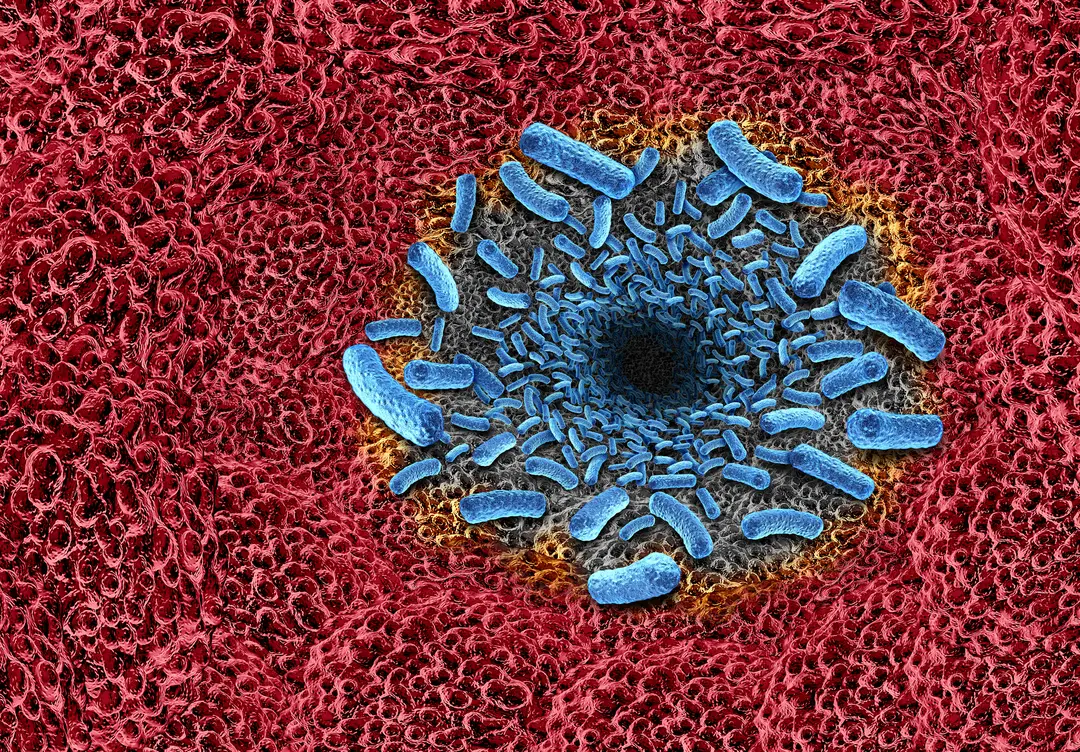
The health department said Vibrio bacteria occur naturally in warm coastal water and become much more common between May and October, when sea temperatures are higher. The bacteria has historically been confined to Gulf Coast waters, but climate change is expanding its range northward. Research shows the northern boundary of Vibrio vulnificus infections has moved north by approximately 30 miles per year since 1998, with the bacteria now detected in waters around Long Island and other northeastern coastal areas.
Infection can happen in two main ways: if a cut or wound comes into contact with saltwater or brackish water, or if someone eats raw or poorly cooked seafood, especially oysters.
Depending on the route of exposure, the bacteria can cause several types of illness, including stomach-related symptoms, severe wound infections, and bloodstream infections.
What concerns health experts most are the most aggressive cases. Vibrio vulnificus can worsen at a rapid pace and become life-threatening, in some instances forcing doctors to amputate a limb to prevent the infection from spreading further. In severe cases, particularly among those with liver disease or other high-risk conditions, the fatality rate can exceed 50 percent. The infection can progress to necrotizing fasciitis, a condition where flesh around the wound dies and must be surgically removed.
“About one in five people with Vibrio vulnificus infection dies, sometimes within a day or two of becoming ill,”
The warning highlights how quickly the illness can become critical after infection sets in. Early antibiotic treatment is essential, as delays of even 24 hours can significantly increase mortality rates. Doctors should not wait for lab confirmation before beginning treatment if Vibrio infection is suspected.
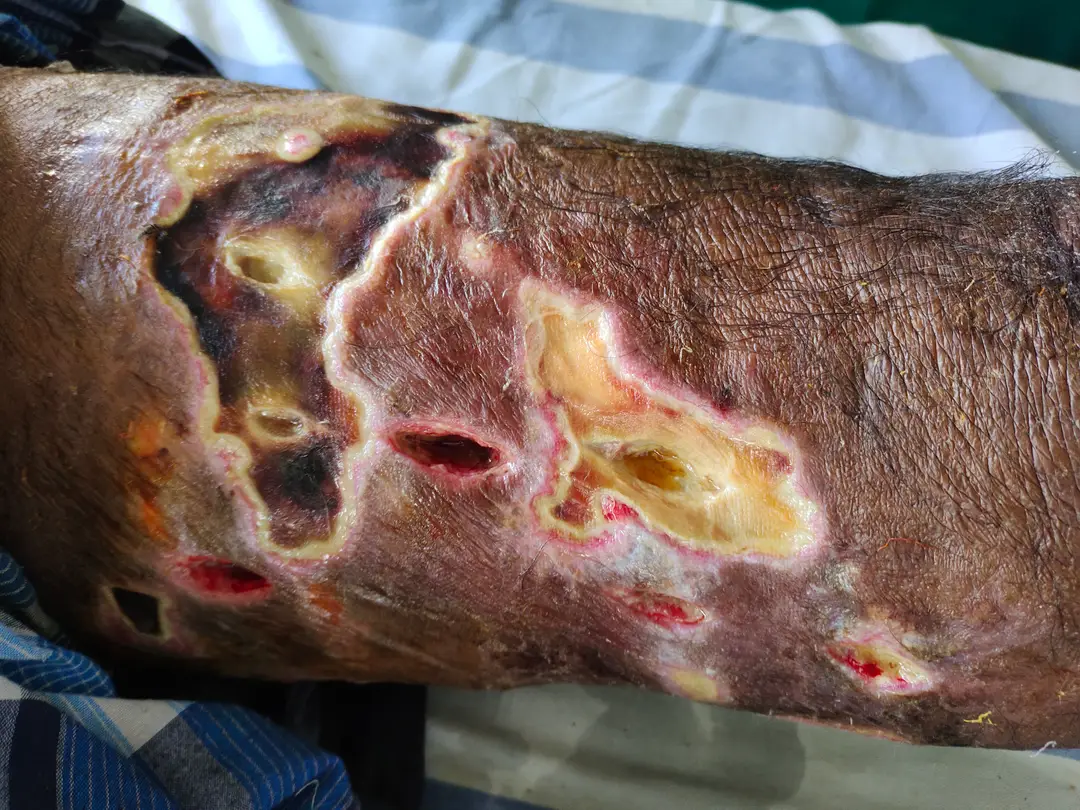
People who have had an open wound exposed to brackish or salt water are being told to watch the area carefully afterward.
The Louisiana Department of Health said possible warning signs include redness, swelling, discoloration, warmth around the wound, or severe pain. Additional signs of a bloodstream infection include fever, chills, dangerously low blood pressure, and blistering skin lesions.
Officials stressed that anyone developing those symptoms should get medical attention immediately rather than waiting, because the infection can deteriorate quickly. This is especially critical for those with underlying health conditions.
They also said patients should tell doctors or other medical providers if the wound was exposed to seawater, as that information may help speed up diagnosis and proper treatment.
The outbreak is not limited to Louisiana. Florida has also reported deaths from Vibrio vulnificus in 2026, and the infection has been expanding its geographic range in recent years due to warming ocean temperatures. Medical experts warn that as climate change continues to warm coastal waters, Americans in previously unaffected regions should also take precautions against the bacteria.
With warm water conditions expected to continue for the next several weeks, authorities are likely to keep tracking the number of cases through the rest of the season. The Louisiana Department of Health has announced it will post weekly Vibrio vulnificus case data on its Public Health Data Spotlight webpage.