

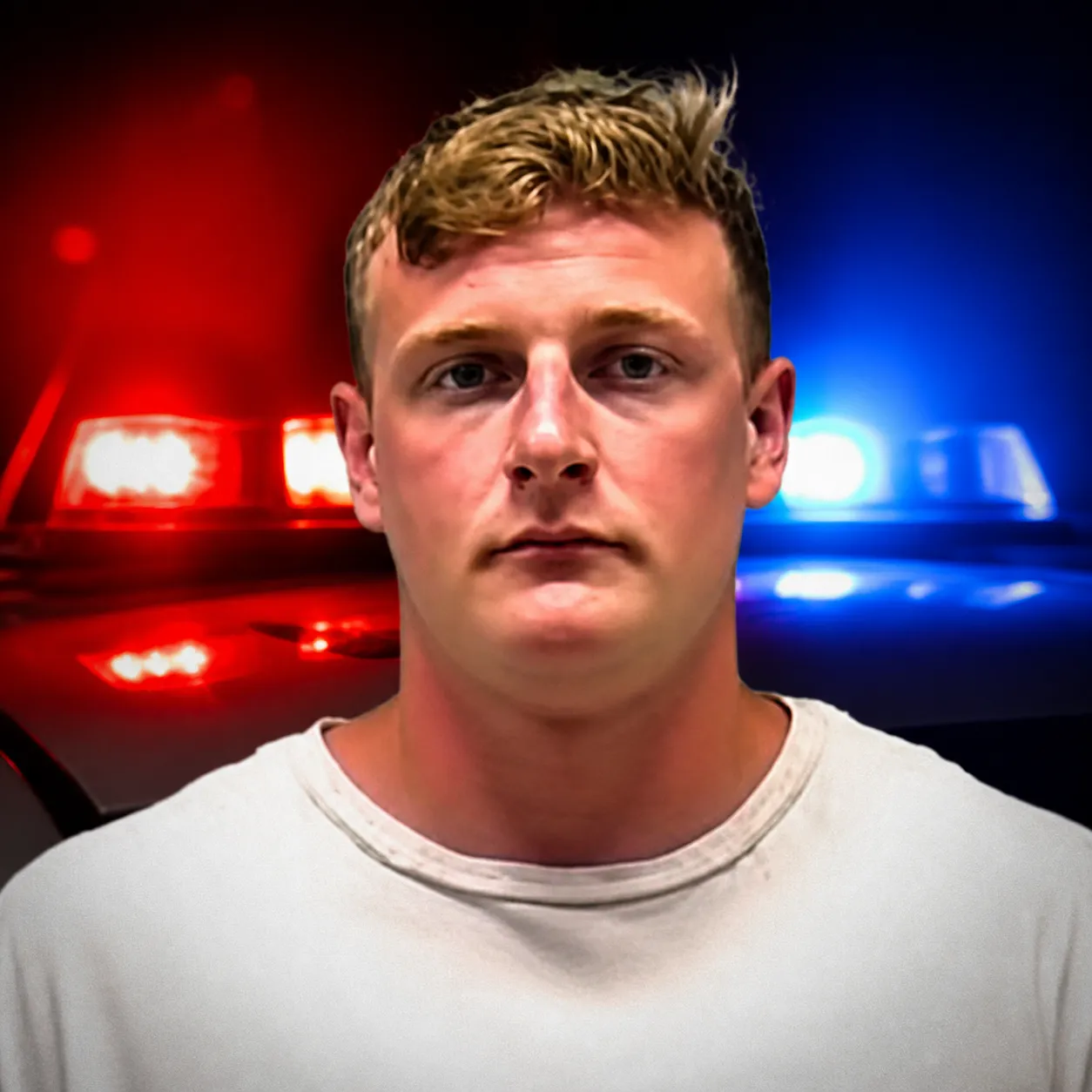
Sean Grayson, the former Illinois sheriff’s deputy convicted of murdering Sonya Massey, has died in prison.
Grayson, 32, passed away on Sunday, August 23, his attorney Daniel Fultz confirmed. Fultz declined to provide any further details surrounding the circumstances of his death. The former deputy had been serving his sentence at an Illinois correctional facility following his conviction last year.
Grayson was diagnosed with Stage 3 colon cancer in 2023, according to his other defense attorney, Mark Wykoff. The disease progressed to Stage 4 a year later and spread to his liver, lungs and rectum. Just months into his prison term earlier this year, Grayson sought medical release under an Illinois law allowing for prisoners with terminal illnesses or serious medical conditions to be freed. The Illinois Prisoner Review Board denied that request last month. It remains unclear whether Grayson’s cancer diagnosis contributed to his death behind bars.
Wykoff had detailed the severity of Grayson’s condition during the medical release process. The former deputy’s health had deteriorated significantly since his initial diagnosis, with the cancer metastasizing to multiple organs before his trial even concluded.
Grayson was convicted in October of last year for the July 2024 killing of Sonya Massey, 36, a Black woman who had called 911 over fears of a prowler at her Springfield home. Grayson and sheriff’s deputy Dawson Farley responded to the call but found nothing after searching the vicinity.
The situation escalated when the deputies asked Massey for her identification. She picked up a pot of boiling water from her kitchen stove. Body-worn camera footage captured Massey telling the deputies: “I rebuke you in the name of Jesus.”
Grayson then threatened to shoot her if she didn’t drop the pot. As Massey apologized and ducked down, Grayson opened fire and shot her three times, killing her.
Deputy Farley later testified that he did not consider Massey a threat, and drew his own weapon only after Grayson did. The testimony undercut Grayson’s defense that he feared for his safety.
Throughout the trial, Grayson maintained that he shot his weapon due to fears of Massey throwing the boiling water over him. Jurors rejected that argument for first-degree murder but convicted him of the lesser charge of second-degree murder.
On January 29, Grayson received the maximum sentence of 20 years in prison. The date fell months after his conviction and followed intense national scrutiny of the case.
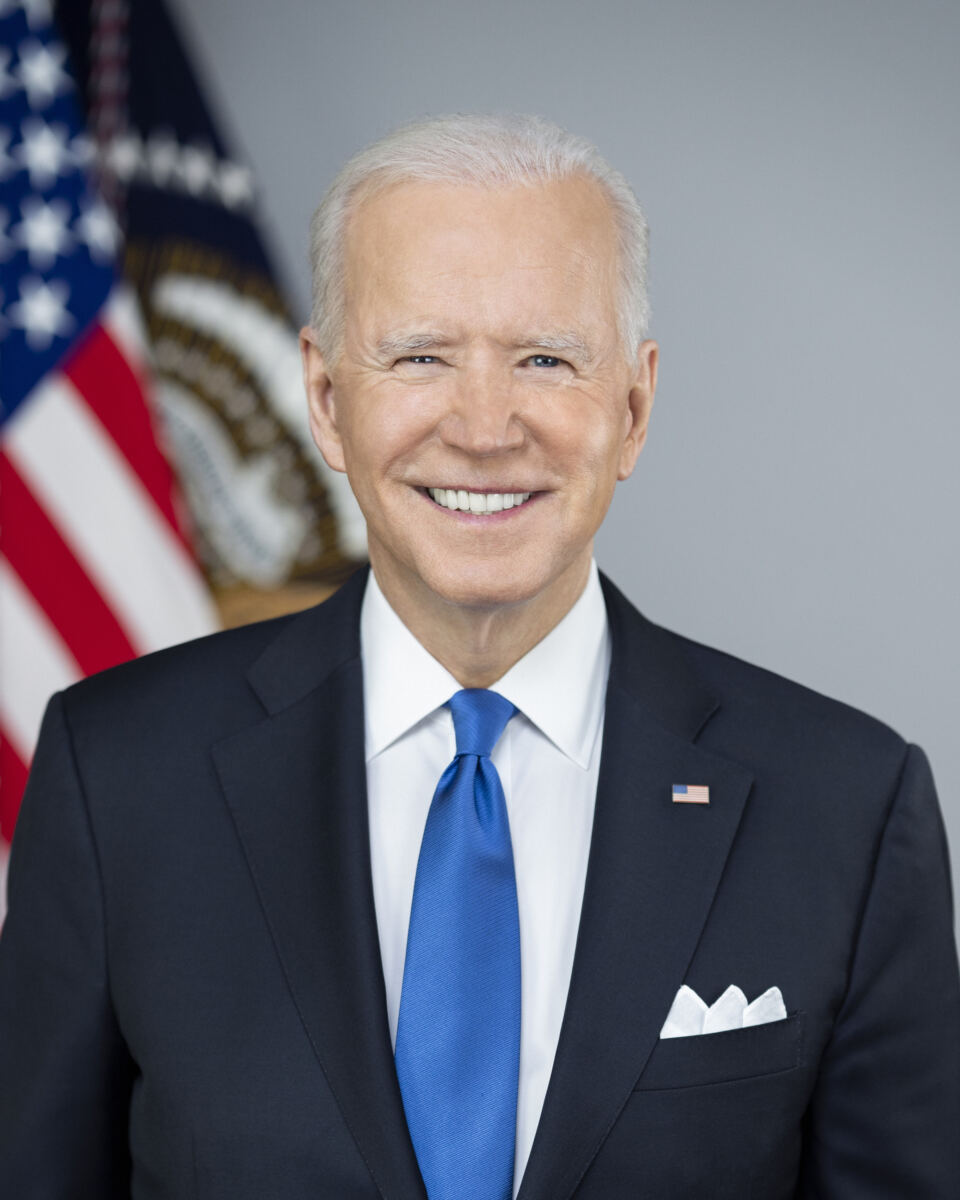
Massey’s killing drew national attention and outrage, prompting then-President Joe Biden to release a statement. “Sonya Massey, a beloved mother, friend, daughter, and young Black woman, should be alive today,” Biden said.
“When we call for help, all of us as Americans—regardless of who we are or where we live—should be able to do so without fearing for our lives,” he continued.
Biden added: “Sonya’s death at the hands of a responding officer reminds us that all too often Black Americans face fears for their safety in ways many of the rest of us do not. Sonya’s family deserves justice. I am heartbroken for her children and her entire family as they face this unthinkable and senseless loss.”
“Jill and I mourn with the rest of the country and our prayers are with Sonya’s family, loved ones, and community during this devastating time,” Biden concluded.
Shortly after the shooting, Grayson was fired from his position with the Sangamon County Sheriff’s Office and charged with first-degree murder. The case became a flashpoint in ongoing debates about police accountability and the safety of Black Americans when requesting emergency assistance.
Grayson’s death closes a chapter in one of the most closely watched police misconduct cases of recent years, though questions about the circumstances of his passing may prompt further review by state corrections officials.