

On Sunday, France observed the anniversary of one of its darkest hours—the Vel d’Hiv roundup, when more than 13,000 Jews were arrested and deported to Nazi death camps. The commemoration carried particular weight this year as the nation grapples with a troubling resurgence of antisemitism, underscored by an act of vandalism that occurred just hours before the observance.
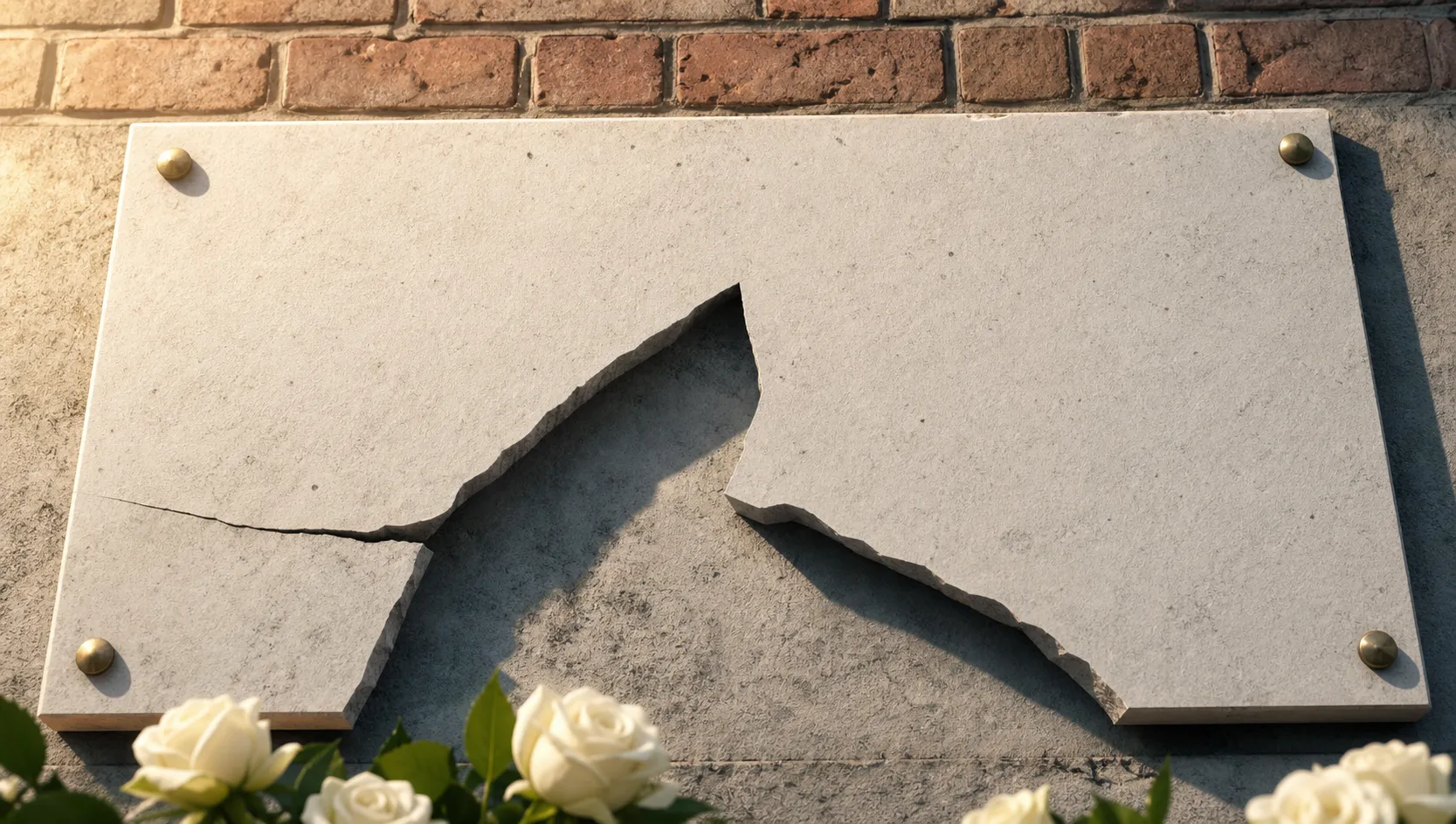
A memorial plaque honoring those who risked their lives to save Jews during the Holocaust was destroyed in Paris in the early hours of July 17, the exact anniversary of the roundup. The plaque, located at 15 rue Louis Braille in the 12th arrondissement, commemorated Arsène and Angèle Richard and their daughter Marcelle, a family recognized as Righteous Among the Nations for sheltering a young Jewish boy during the 1942 raids. Paris Mayor Emmanuel Grégoire condemned the vandalism as an antisemitic act and reaffirmed his commitment to fighting hate.
The Vel d’Hiv roundup occurred on July 16-17, 1942, when French police arrested approximately 13,152 Jews, including 4,115 children, at the behest of German occupying forces. The detainees were held in the Vélodrome d’Hiver, a sports arena in Paris, under appalling conditions with no food, water, or sanitary facilities. The vast majority were eventually transported to Auschwitz and other concentration camps, where almost all perished. The roundup was the largest deportation of Jews from France during the Holocaust and among the most shameful acts undertaken by the French wartime government.
The Richards became heroes in this tragedy. When the arrests began, a 13-year-old boy named Edmond Richemond managed to escape from his apartment after his mother was captured. His neighbors—Arsène, Angèle, and Marcelle Richard—took him in and hid him in their building for over a year, risking their own lives under Nazi occupation. In 2018, the Jerusalem-based Holocaust memorial Yad Vashem formally recognized the Richards as Righteous Among the Nations, one of approximately 4,300 French citizens honored with this distinction for saving Jews during the Shoah.
The plaque commemorating their courage was installed in 2021. According to photographs shared by Grégoire, the lower portion of the memorial was severely damaged in the attack, with part of the inscription describing how the Richards saved Richemond partially destroyed.
The vandalism occurred against a backdrop of alarming trends. France, home to Europe’s largest Jewish population, has experienced a dramatic surge in antisemitic incidents in recent years. The Ministry of Interior recorded 1,320 antisemitic acts in 2025 alone, described as historically elevated levels. These incidents have ranged from physical assaults on community members to desecrations of synagogues and Holocaust memorials. The Shoah Memorial in Paris was previously targeted with vandalism in 2024.
President Emmanuel Macron has made combating antisemitism a priority. Just days before the Vel d’Hiv commemoration, on July 12, he inaugurated a statue honoring Captain Alfred Dreyfus, whose wrongful 19th-century conviction for treason exposed deep-seated antisemitism in French society. Declaring July 12 a national day of commemoration, Macron warned that antisemitism remains “the enemy of the Republic” and urged constant vigilance.
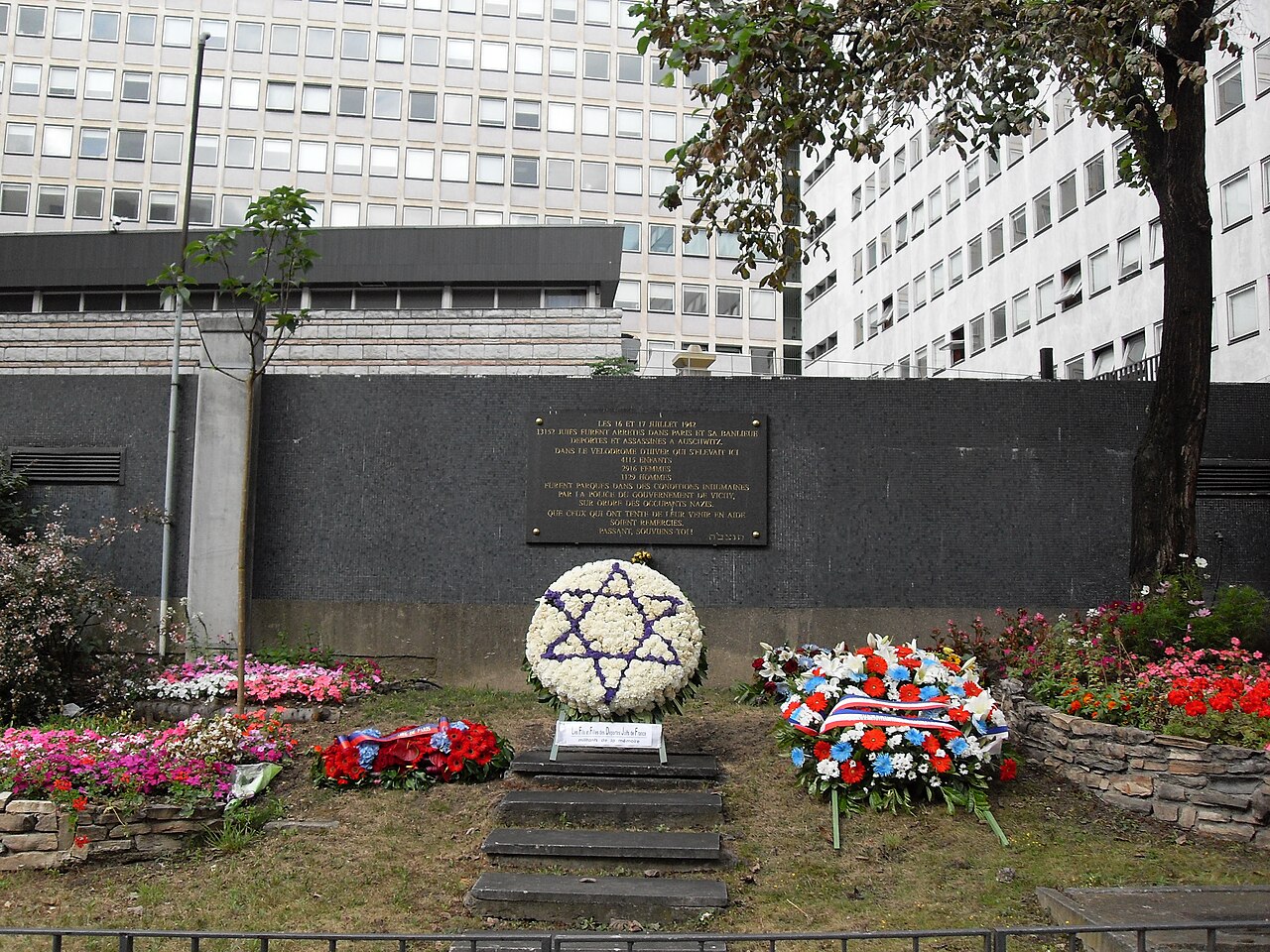
At Sunday’s Vel d’Hiv commemorations, Macron addressed the disturbing reality that antisemitic hatred continues to manifest across French society. “We are not finished with antisemitism, and we must lucidly face that fact,” he stated, noting that prejudice appears on city walls through vandalized memorials, infiltrates social media and political discourse, and thrives through historical revisionism and denial.
Grégoire echoed similar sentiments, declaring that “Paris is and will remain a land of resistance against all forms of hatred” and reaffirming that fighting antisemitism would remain “an absolute priority” of his political commitment. The mayor’s statement came as he pledged support for the Jewish community in the context of what he described as daily increases in antisemitic activity in society.
The destruction of the Richards’ plaque represents more than simple vandalism. These plaques serve as public testimony to moral courage during humanity’s darkest chapter and as reminders that individual acts of compassion and resistance matter. The attack targeted not perpetrators of the Holocaust, but those who defied it.
The history of France’s relationship with the Vel d’Hiv roundup remains complicated. For decades after World War II, French leaders avoided acknowledging the state’s responsibility in the deportations. It was not until 1995—50 years later—that President Jacques Chirac apologized, describing the events as “the darkest hours that will forever tarnish our history.” In 2017, President Macron went further, explicitly acknowledging that “it was indeed France that organized the roundup, the deportation, and thus, for almost all, death.”
The timing of the plaque’s destruction—in the night before a weekend of national commemoration—appeared designed to disrupt and debase the remembrance. Yet French officials have vowed that such acts will not diminish the nation’s commitment to preserving historical memory or protecting the Jewish community. The plaque will be repaired, and the stories of heroes like the Richard family will continue to be told, ensuring that the lessons of the Holocaust remain vivid for generations to come.