


Anna Marlene Somoza, 60, was arrested in Mexico after nearly three decades on the run for her daughter’s 1997 murder.
The US Marshals Service took Somoza into custody on Oct. 18 in Xochitepec, Mexico, following a manhunt that spanned more than 12 years of active fugitive status and drew on resources from five state and federal agencies. She had been living in Cuernavaca, Mexico, where authorities learned in early September that she was “actively evading detection,” according to a statement from the agency. Her capture ended one of the longest-running child murder cases in recent US history.
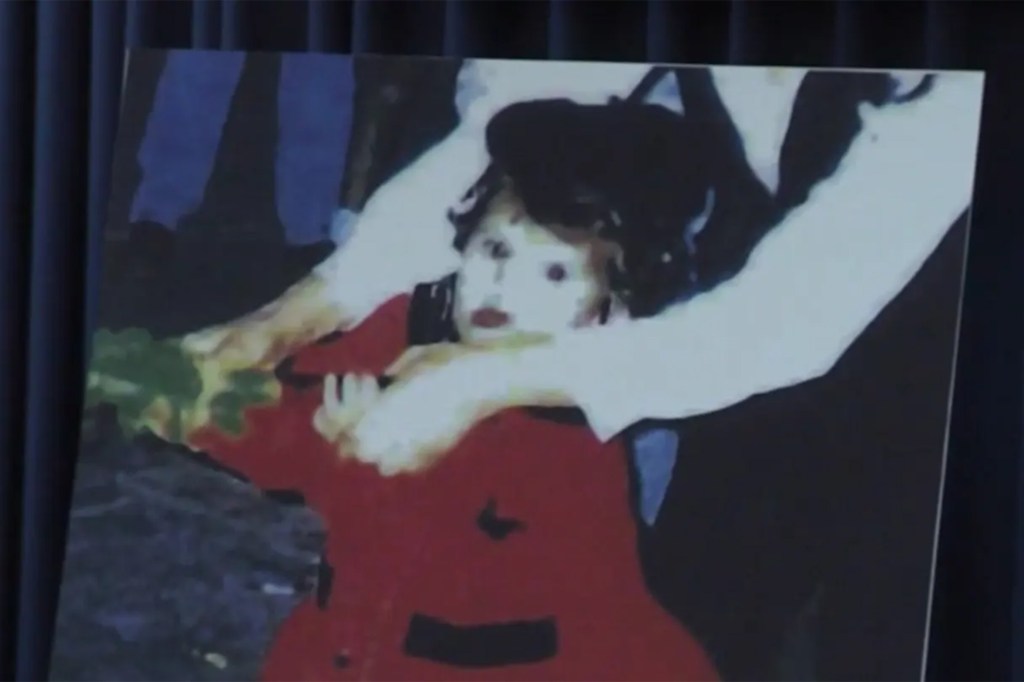
Somoza allegedly subjected her 3-year-old daughter, Crystal Reyes, to weeks of torture before killing her on Jan. 30, 1997. The child was confined to a small dog kennel, bound by her hands and feet, gagged, and left for extended periods, the US Marshals Service said. On the day of her death, Reyes was bound, suffocated with a towel taped to her face, and left to die inside a sealed cardboard box.
The case might have gone unsolved indefinitely but for a hunter’s discovery in November 1998, when human bone fragments were found in a deserted area of Arizona. Almost two decades passed before forensic DNA analysis in August 2014 identified the remains as Reyes. Detectives then interviewed the child’s biological father and confirmed her identity using his DNA.
Somoza’s path to the murder charges ran through a criminal history intertwined with Arizona’s drug trade. She had been connected to a major transnational drug trafficking network active along the southern Arizona border throughout the 1980s and 1990s. Following her 1993 arrest for the sale and transportation of marijuana, she agreed to act as a confidential informant for an Arizona law enforcement agency. Through that role, she met Avelino Tamala, a narcotics detective, and began what the US Marshals Service described as “an improper romantic relationship.”
Not long after Reyes’ birth in Mexico in 1993, the mother and daughter began living with Tamala in Arizona. Tamala was not the father of Reyes.

The abuse Reyes endured likely went unnoticed because she was not attending school, Stacy Vaughan, vice president of growth and prevention at Childhelp, a child abuse prevention organization, said.
“The majority of reports come from the education system in our country, from teachers, counselors, schools,” Vaughan said.
She added that modern legislation might have prevented such a case.
“In the past 20 years, many states have passed laws not only mandating that professionals report any suspected abuse, but…every adult over the age of 18 is considered a mandated reporter.”
In 1999, the year after Reyes’ remains were found, Somoza and Tamala were arrested on drug and weapon-related charges. Somoza served eight years in federal prison and was deported in 2008. After the child’s remains were connected to her as the mother in 2014, investigators from five state and federal agencies began their search. She’d “taken deliberate and extensive measures to evade detection by law enforcement while remaining at large,” the US Marshals Service said.
Tamala, her boyfriend at the time of Reyes’ death, was found guilty of Crystal’s murder in 2016 and sentenced to life in prison. But Somoza had already been deported years earlier, escaping the murder charges until investigators finally caught up with her.
Somoza’s cartel connections helped her remain hidden for years. The 2026 designation of her case as a major investigation dedicated additional manpower and resources, leading to her eventual tracking in Cuernavaca and capture in Xochitepec.

The extradition process now begins, with uncertain timing ahead. Russell Lorfing, a former federal prosecutor, said that international extraditions can stretch into years if the defendant challenges the charges.
They have “diplomatic assurances,” Lorfing said. “But she will physically be handed over, and US marshals will have to fly to Mexico. Or they’ll arrange a coordinated kind of border handover.”
He continued: “These amparos are a big deal in Mexico. It hits the pause button, too. So a three-month extradition can turn into a two-year extradition.”
Somoza “has a right to challenge it under the federal system,” he noted.