


California Gov. Gavin Newsom is weighing a mass commutation that would remove all 563 inmates from death row before he leaves office in January.
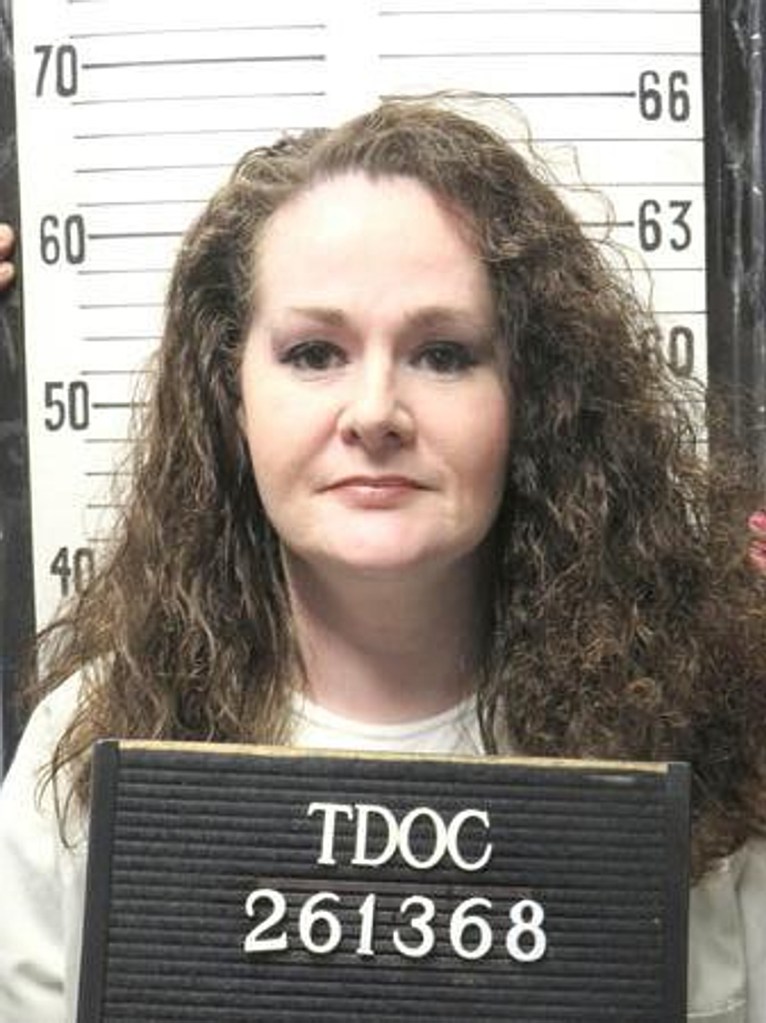
Newsom, 57, has intensified discussions about the sweeping clemency in recent days, with the timing drawing fresh attention after Tennessee’s botched execution of Christa Pike. Two doses of the sedative Pentobarbital failed to kill Pike during the procedure.
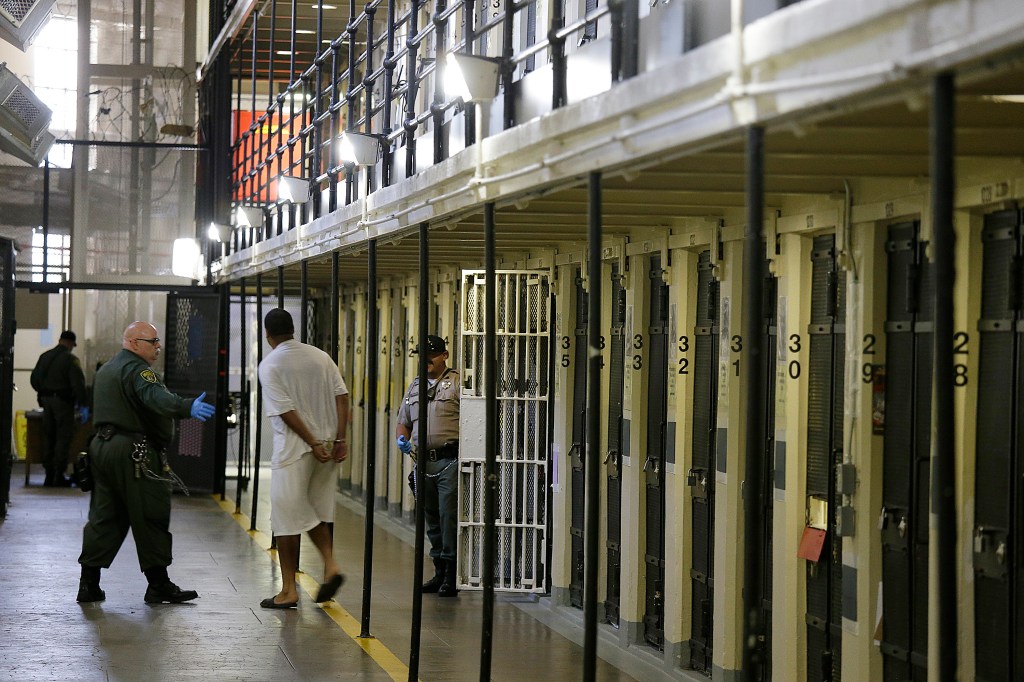
The potential move would require approval from the California Supreme Court for inmates with multiple felony convictions, adding a procedural hurdle to any blanket action. California has not carried out an execution since 2006, yet it maintains the nation’s largest death row population, and more than 200 people have received death sentences in the state during that same period.
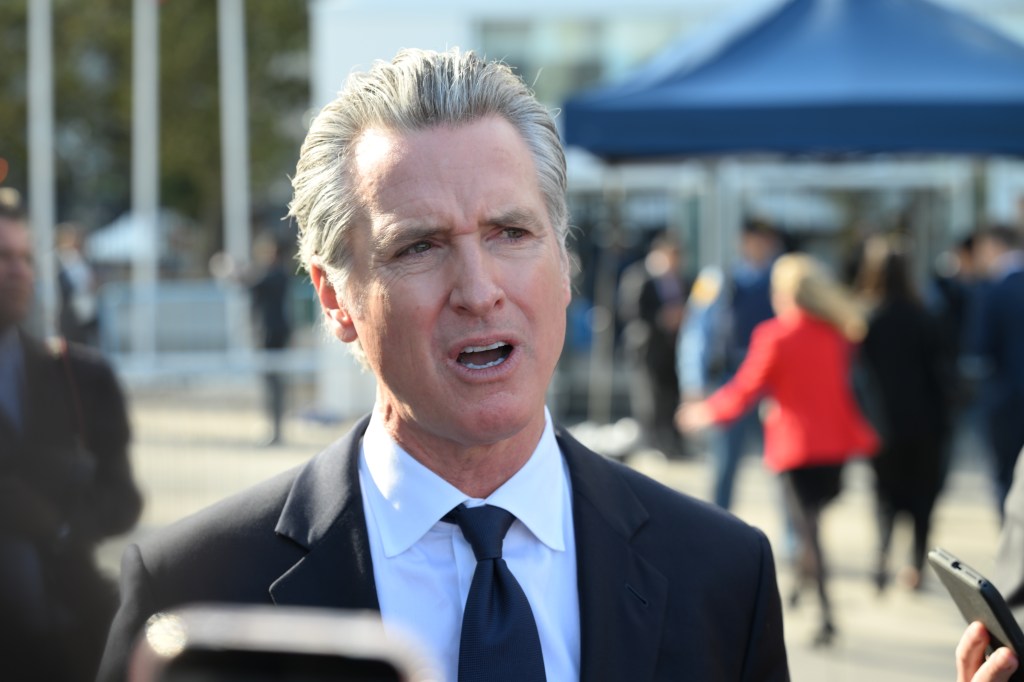
Newsom imposed a moratorium on executions through executive order in 2019, calling the death penalty discriminatory and wasteful at the time. Prosecutors in California remain free to seek capital punishment despite the pause.
The scope of a mass commutation would be historically significant. A single action could reduce the nationwide condemned population by more than a quarter. Among those who would be affected are Richard Allen Davis, convicted in 1996 of kidnapping and murdering 12-year-old Polly Klaas, and serial killer Charles Ng, found guilty of 11 first-degree murders.
The governor has publicly wrestled with the dilemma. On an episode of his podcast, “This is Gavin Newsom,” he posed the question directly to pro-racial justice attorney Bryan Stevenson:
“Do I commute the largest death row in the Western Hemisphere?”
Newsom continued to debate the matter aloud, pressing himself on the human cost for those left behind. “What do I say to the victims?”
His office, responding to previous inquiries from the outlet, stated that “Governor Newsom has been clear about his position on the death penalty since his first year in office, when he ordered a moratorium on executions.”
The political implications extend beyond Sacramento. Newsom is widely believed to be positioning for a 2028 presidential run, and the decision could shape national perceptions of his leadership. Progressive activists would likely celebrate mass clemency, but moderate Democratic strategist Matt Bennett cautioned the Times that the governor’s existing record already creates vulnerabilities in broader electorates.
“He is the governor of a very blue, very liberal state, and he has done a bunch of things that wouldn’t happen in swing states,” Bennett said. “Adding to the list is probably not something he should be doing.”
Pressure for action had been building even before Pike’s failed execution brought renewed scrutiny to lethal injection protocols. The Tennessee incident, where two full doses of Pentobarbital proved insufficient, has amplified debate about the practical and ethical dimensions of capital punishment across state lines.
Newsom’s deliberations come as he confronts the closing window of his governorship. With January marking the end of his tenure, the decision on whether to act—and how broadly—carries both immediate consequences for hundreds of inmates and longer-term implications for his political trajectory.
The Christa Pike execution attempt unfolded when Tennessee officials administered the drug regimen that was supposed to end her life, only to have the condemned woman survive the procedure. The botched attempt has since reverberated through capital punishment discussions nationwide, including in California’s ongoing debate.

Newsom faces a January departure from the governor’s mansion as his term concludes.