

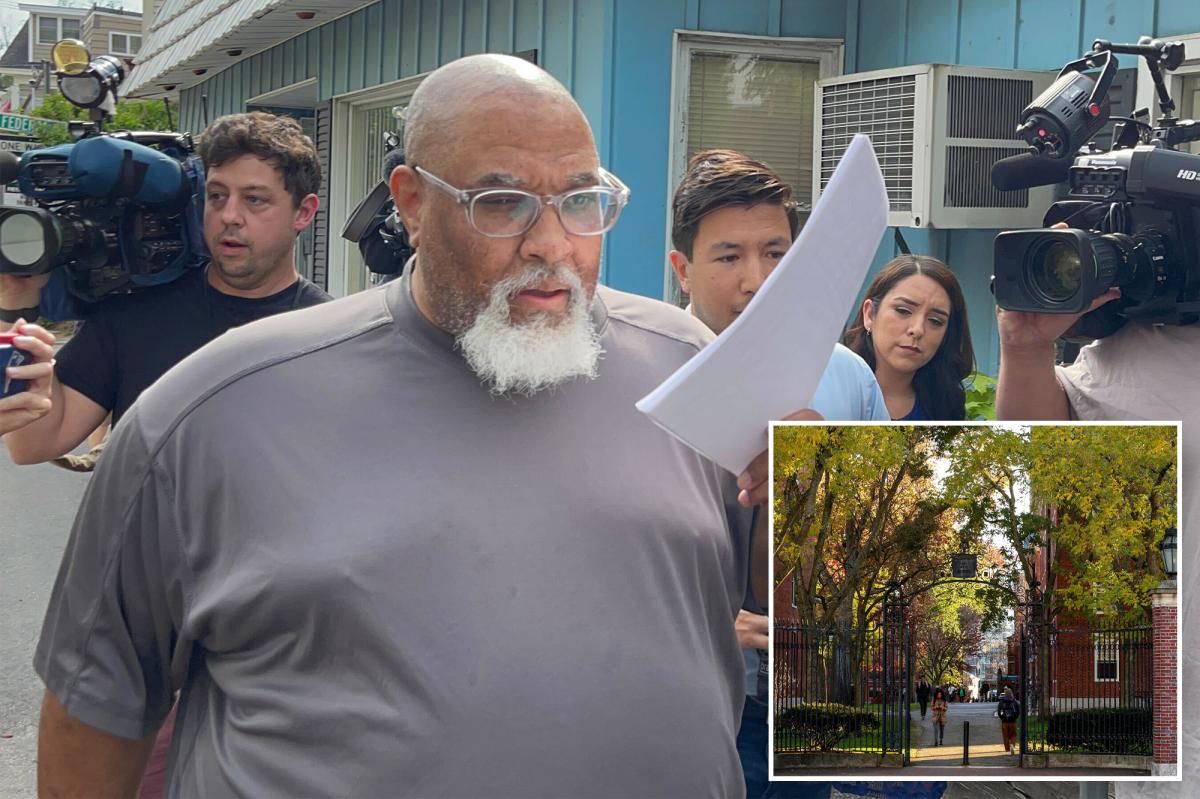
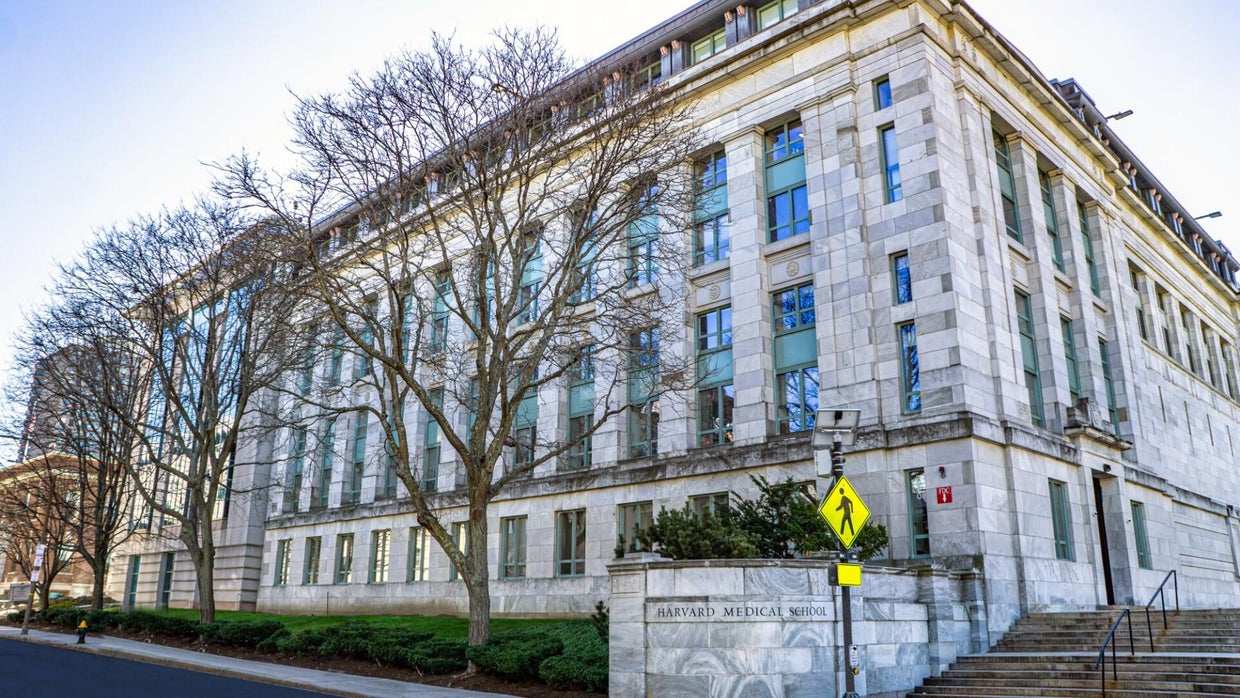
Harvard University will pay $53 million to settle class-action lawsuits brought by families whose donated loved ones’ remains were stolen and sold by a former morgue manager.
A state court judge in Boston preliminarily approved the eight-figure settlement Tuesday in the suit stemming from the 2023 arrest of disgraced former Harvard Medical School morgue manager Cedric Lodge, 58. The agreement covers dozens of family members who accused the Ivy League institution of negligence in its handling of cadavers donated for medical research.
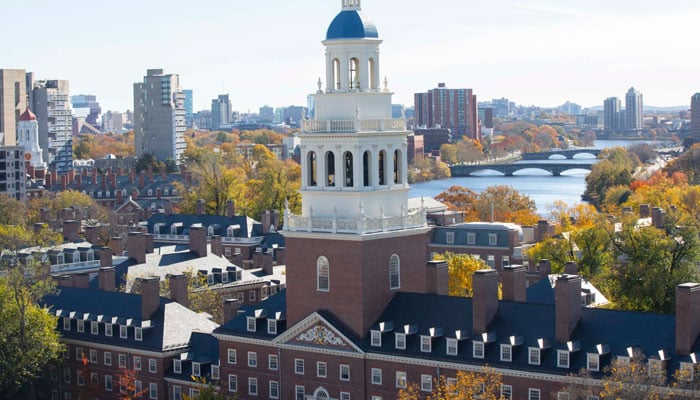
Lodge worked at Harvard’s morgue for nearly three decades before his firing in May 2023. He was arrested that year and ultimately sentenced to eight years in federal prison for stealing and selling organs and body parts of cadavers donated to the school for medical research purposes. Prosecutors said that as far back as 2018, Lodge had been stealing body parts — including “heads, faces, brains, skin and hands” — which he’d then bring to his home in Goffstown, New Hampshire, and sell with his wife Denise Lodge, 65.
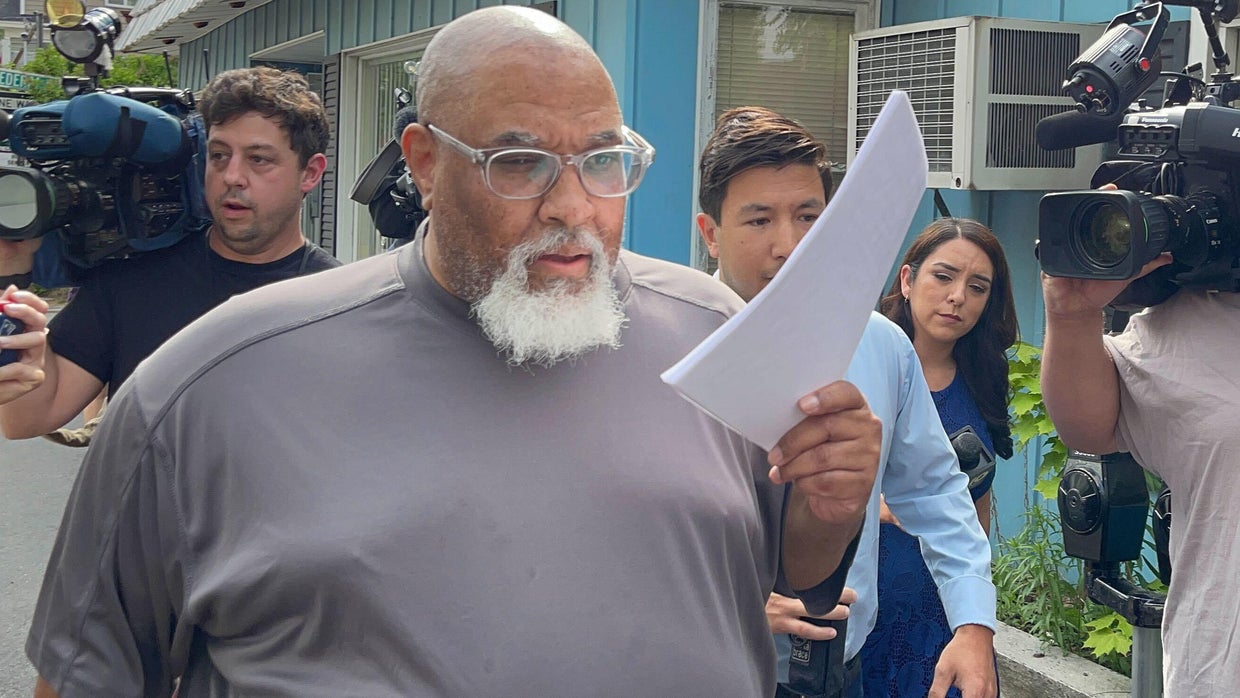
In one horrifying example heard during his trial, Lodge provided skin to a buyer so it could be tanned into leather and bound into a book. Assistant U.S. Attorney Alisan Martin called this a “deeply horrifying reality” in a court filing. “In another, Cedric and Denise Lodge sold a man’s face — perhaps to be kept on a shelf, perhaps to be used for something even more disturbing,” Martin said. Denise Lodge was sentenced to just over a year in prison for assisting him.
The Massachusetts Supreme Judicial Court revived the families’ lawsuits in October after a lower judge had initially dismissed them. The state’s highest court found the families’ claims sufficient to indicate the university acted in poor faith in handling the bodies, which were subjected to “horrific and undignified treatment” for years. Chief Justice Scott Kafker described the case as a “macabre scheme spanning several years” and wrote that Harvard “had a legal obligation to provide for the dignified treatment and disposal of the donated human remains, and failed miserably in this regard, as Harvard itself recognised.”
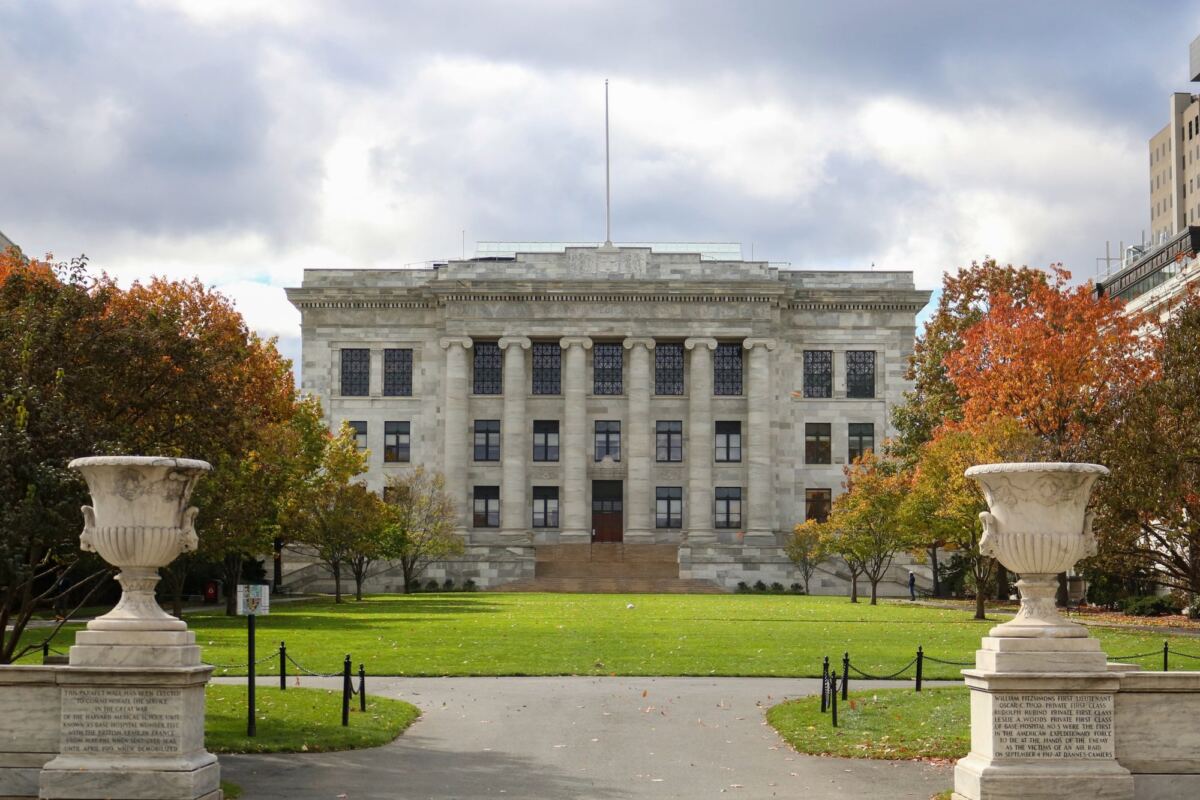
Harvard’s dean of faculty of medicine, George Daley, and Harvard Medical School’s dean for medical education, Bernard Chang, sent a message to the school community Monday addressing the settlement. They called Lodge’s actions “despicable, abhorrent, and a flagrant betrayal of our values as a medical community.”
In addition to the $53 million cash component, Harvard Medical School was required to provide a statement to the impacted families via webinar confirming Lodge’s criminal acts were “morally reprehensible.” The school will also establish an annual scholarship for medical schools in honor of those whose bodies were donated to advance its research, beginning in the 2027-2028 academic year.
“We hope that this resolution ensures that this never happens to another family ever again,” John Morgan, whose law firm Morgan & Morgan represented families in the suit, said in a statement.
Federal investigators revealed Lodge had allowed unauthorized individuals access to the morgue and transported stolen organs over state lines to buyers in Pennsylvania and elsewhere. One conspirator bought two dissected faces for $600 from Lodge, and another made 39 payments totaling $37,000 through PayPal to Lodge and his wife for body parts, including a $1,000 transaction with the memo “head number 7” and a $200 transaction with the memo “braiiiiiins,” according to court records. Several buyers have been sentenced to jail time or were awaiting sentencing.
Harvard had commissioned an outside panel to review its Anatomical Gift Program following Lodge’s indictment, and the panel recommended keeping better records of donations and inventory, requiring ethics training for employees, and creating an oversight committee. The university appointed a task force to implement changes.