

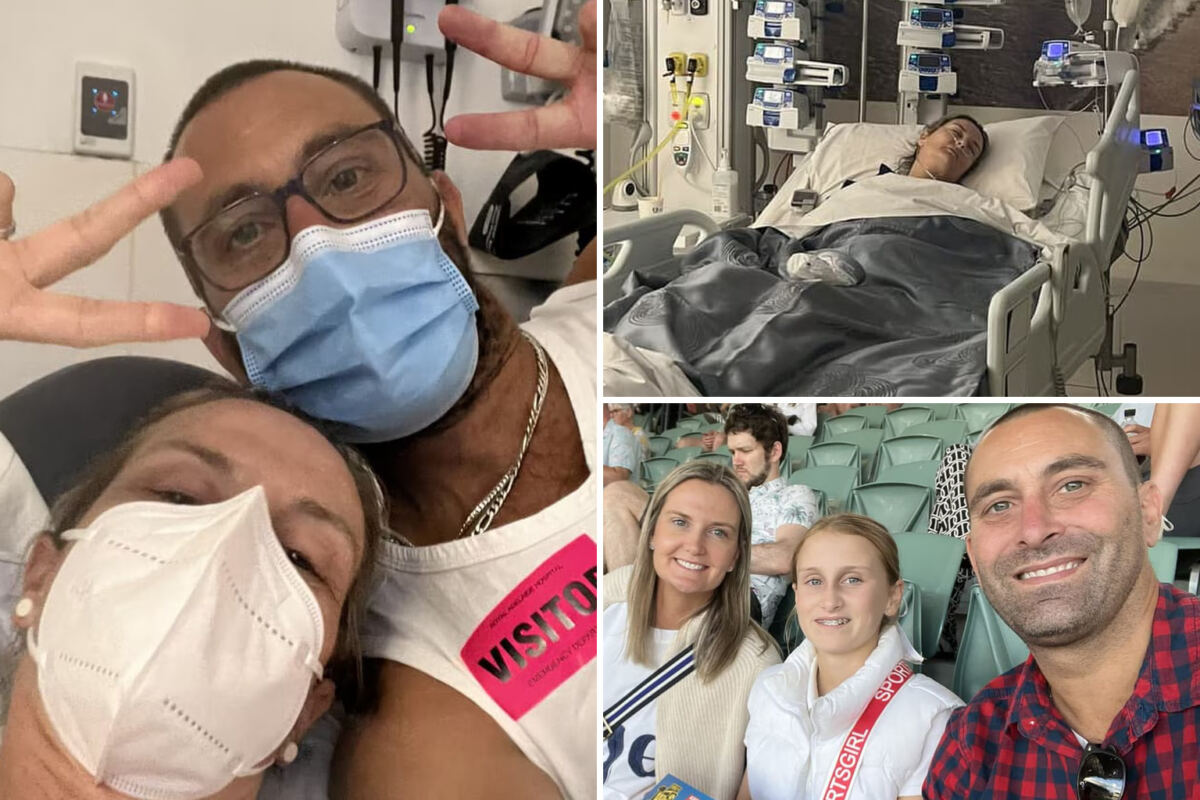
Helen Worthington has spoken out about how medically prescribed exercise became a “pivotal part” of her Stage 4 cancer battle after completing her 27th round of chemotherapy.
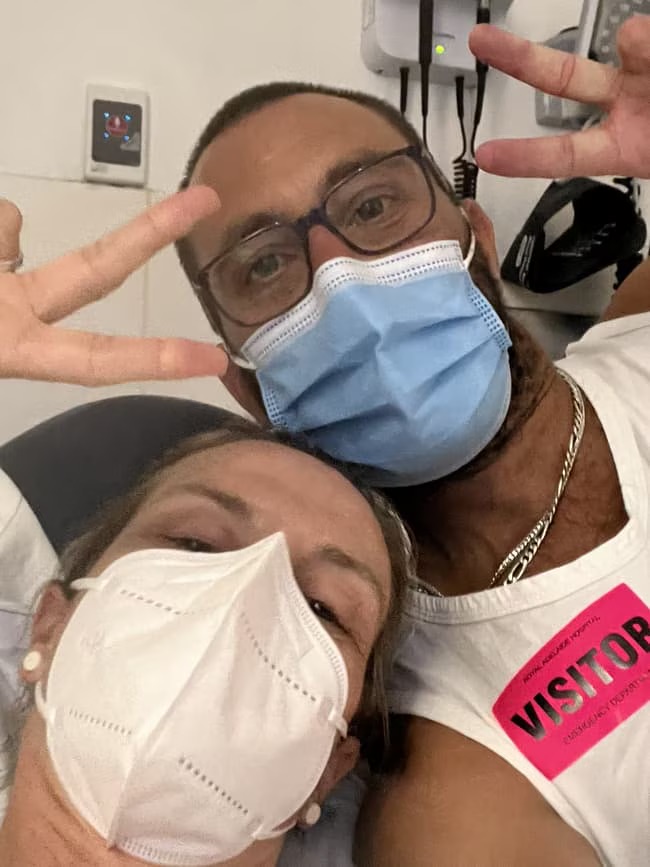
The Adelaide primary school teacher, 40, was diagnosed with aggressive bowel cancer last August after waking in the early hours with what she believed was gastro. Worthington told news.com.au that she initially dismissed an “uncomfortable” abdominal twinge and sharp higher stomach pain, even apologizing to emergency department staff for using hospital resources. “I didn’t want to make a fuss or waste anyone’s time,” she said. “I’m rarely unwell, so I thought it was probably nothing serious and that I’d be told I was absolutely fine. I certainly didn’t expect what followed.”
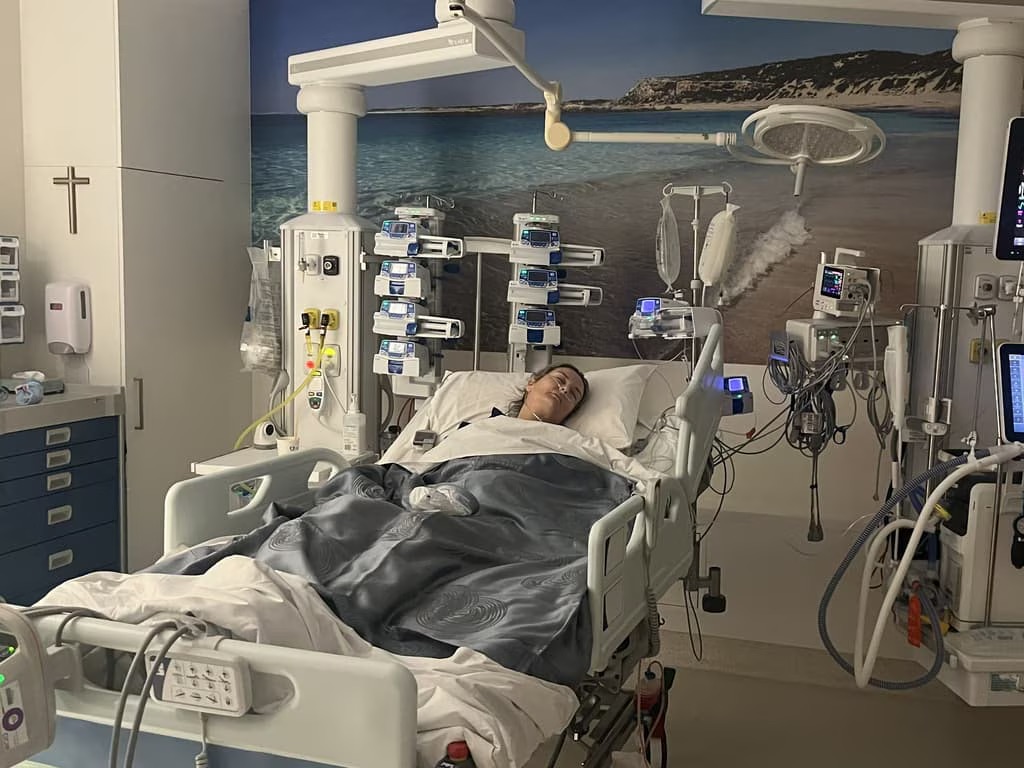
Doctors took her seriously immediately, though they too suspected a simple explanation at first. Within hours, Worthington went from a gastritis suspicion to a devastating diagnosis: Stage 4 bowel cancer that had already spread to her liver. “Things escalated very quickly,” she said. “There was no gradual realization that something might be wrong. It was a complete shock.”
The teacher spent considerable time afterward trying to understand how she had missed any warning signs. Beyond minor fatigue, she had experienced no symptoms whatsoever. “I wasn’t someone who had spent months feeling unwell or trying to find answers,” she told news.com.au. “It’s hard to make sense of how something so serious could have been happening without me knowing.”
Less than 24 hours after discovery, surgeons removed the affected section of her bowel. Then came the moment she had to tell her 12-year-old daughter, Molly. “I couldn’t promise her that everything was going to be okay because I didn’t know that myself,” Worthington said.
Her cancer carries a BRAF V600E mutation, making it more aggressive. Her treatment plan has no fixed endpoint—just continuous chemotherapy as long as it works and her body withstands it, with regular scans monitoring progress. “There is no set end date for chemotherapy,” she explained. “The aim is to keep the cancer under control for as long as possible.”
The fitness element of Worthington’s care emerged through her sister-in-law, an oncology physiotherapist, who encouraged her to try medically prescribed exercise despite Worthington’s skepticism and general dislike of gyms. She connected with Lauren Whiting, an oncology physiotherapist who founded Adelaide’s Lift Cancer Care Services. The results surprised her: “Physically, I’ve become fitter and stronger,” Worthington said. “Mentally, exercise gives me something I can actively do for myself. So much of cancer is outside my control. I can’t control my scan results, how the cancer responds, or what treatment comes next. But I can work on my strength and fitness.”

Whiting, speaking to news.com.au, addressed common misconceptions about cancer patients and physical activity. “I think one of the biggest misconceptions about cancer treatment is that people should avoid exercise and conserve all their energy,” she said. “Of course, rest is important, and there are times when someone genuinely needs to rest. But we also know that prolonged inactivity can contribute to muscle loss, weakness, and fatigue, making everyday activities even more difficult.”

The specialist emphasized that medically prescribed exercise differs fundamentally from general fitness advice. “The important distinction is that medically prescribed exercise isn’t the same as telling someone to go for a walk or join a gym,” Whiting said. “It’s a carefully tailored intervention that considers their cancer diagnosis, treatment, medical history, symptoms, and physical capabilities.”
The Clinical Oncology Society of Australia formally recommends incorporating exercise into standard cancer care, advising at least 150 minutes weekly of moderate aerobic activity or 75 minutes of vigorous exercise, plus two to three strength sessions. Cancer Council NSW notes benefits including reduced treatment side effects, improved physical function, potential recurrence reduction, and improved survival for some cancer types.
A 2024 Deloitte Access Economics analysis found that every dollar invested in exercise physiology for cancer care generates approximately three dollars in economic benefits.
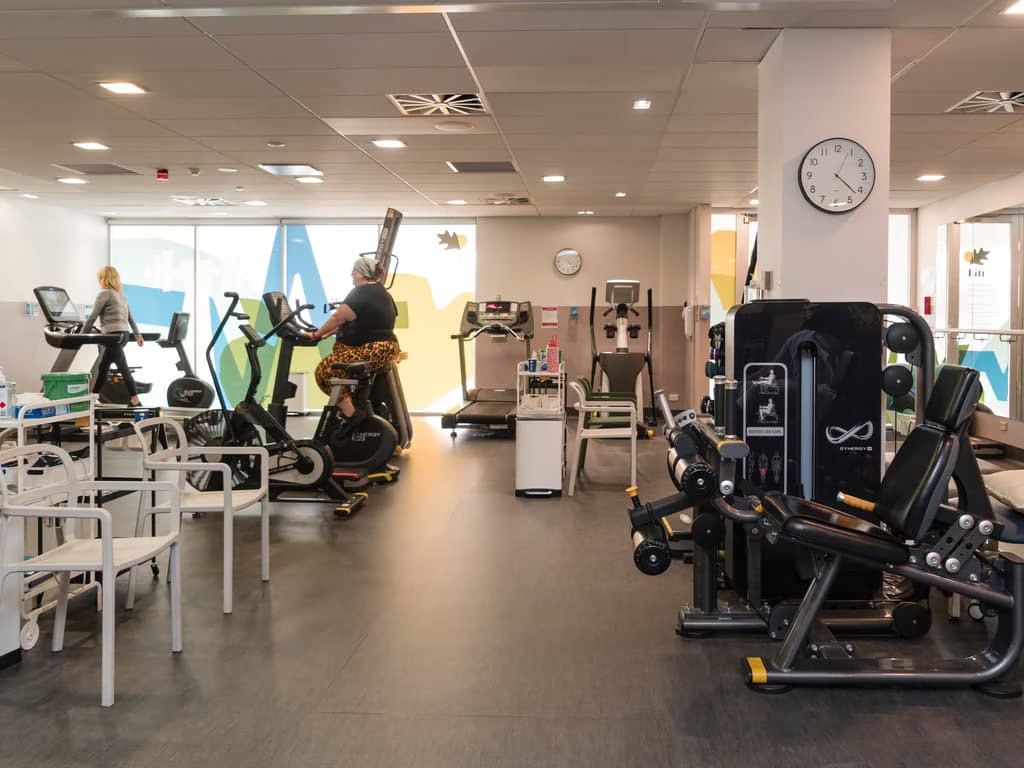
Yet Whiting stressed that systemic barriers persist. “The challenge isn’t simply convincing people that exercise is beneficial,” she said. “It’s actually building the systems that allow it to be delivered as part of routine cancer care. That means having appropriate referral pathways, funding mechanisms, trained clinicians, and the infrastructure to provide these services safely and consistently.”
Worthington’s case began in the predawn hours of August 27 last year, when abdominal pain drove her to seek emergency care after failing to secure a GP appointment. What she feared was an overreaction proved to be life-saving vigilance, though physicians had also initially suspected a minor condition.
Worthington continues her chemotherapy regimen with ongoing monitoring through regular scans.