

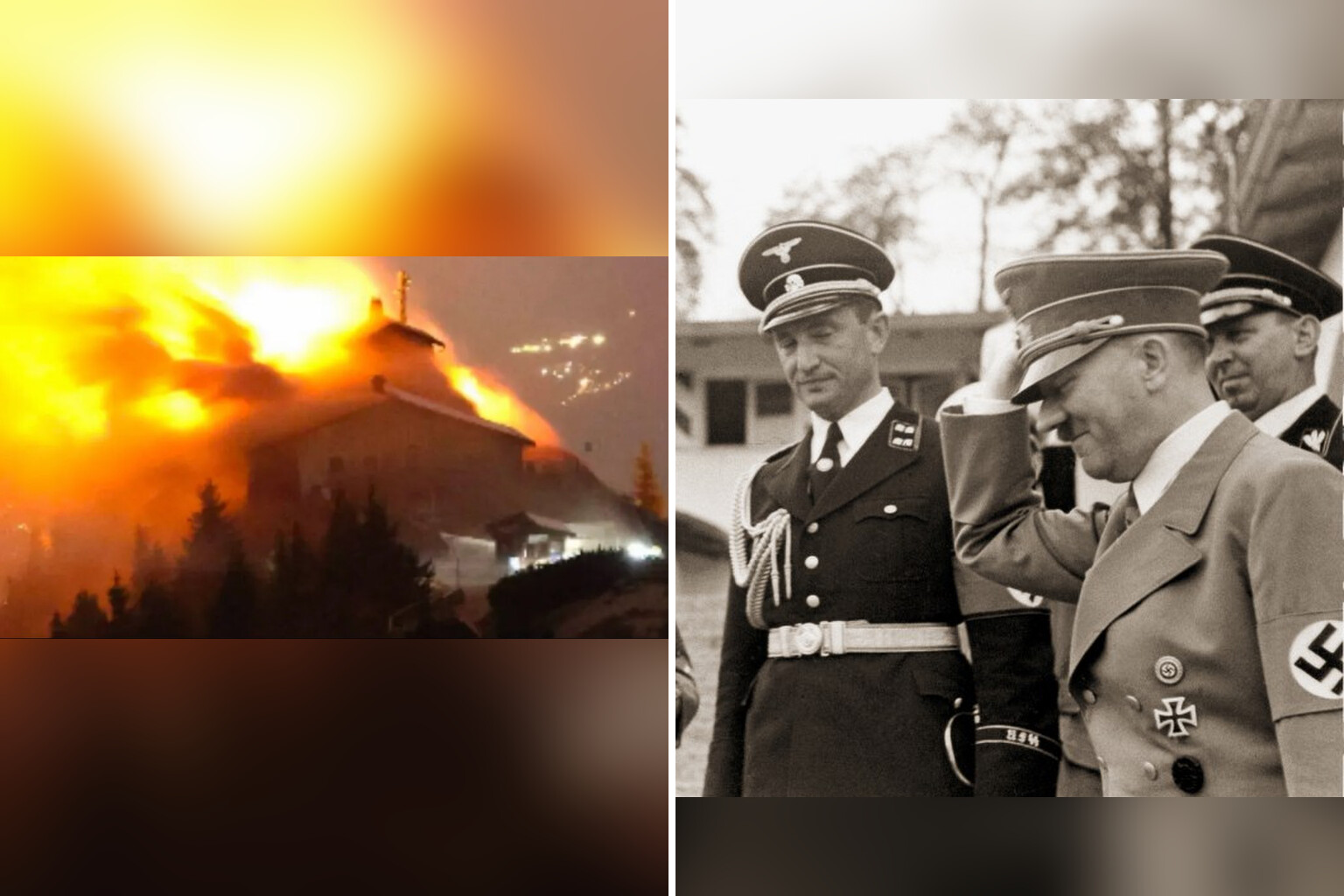
A suspect is in custody after flames tore through Adolf Hitler’s mountaintop Eagle’s Nest retreat in southern Bavaria on Thursday night.
More than 200 emergency personnel rushed to the isolated site after responders first reached the perch around 9:52 p.m. To find flames already ravaging the notorious tourist landmark, according to Der Spiegel. Police in southern Bavaria later confirmed the fire broke out at the structure, which locals know as Kehlsteinhaus.
An unidentified person of interest was arrested at the scene, authorities said. The suspect’s identity and any possible motive have not been disclosed.
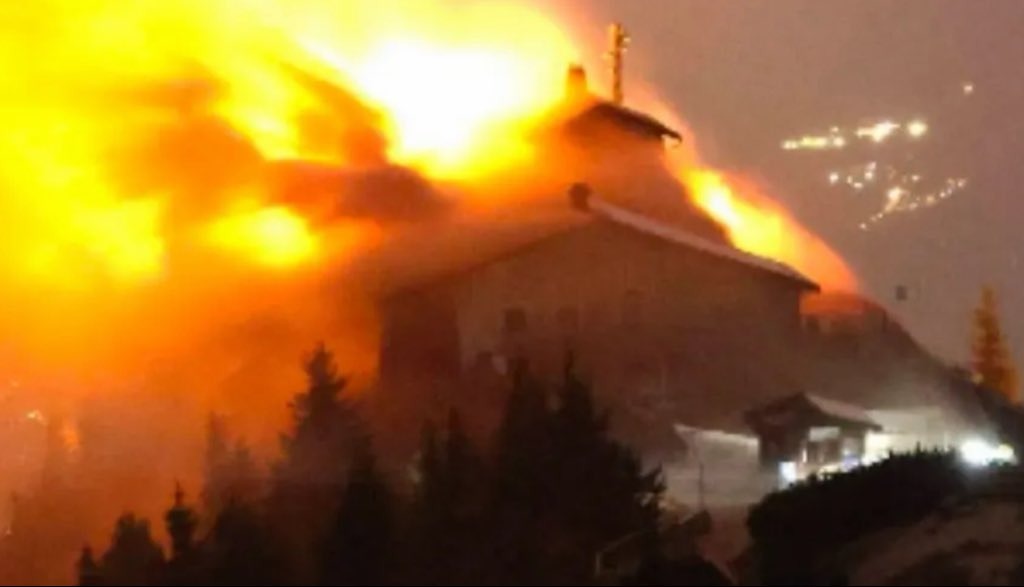
The Eagle’s Nest sits at 1,834 meters above sea level, accessible only by a brass elevator drilled through the rock or by specialized mountain roads. Because of that extreme isolation, logistics and water transport proved extremely difficult for firefighters battling the blaze, according to Upday News Germany.
Constructed in 1938, the retreat was used by high-ranking Nazi officials during World War II. Hitler himself visited only a handful of times, making the site’s symbolic association with the Nazi leader far stronger than his actual physical presence there.
Unlike many buildings in Obersalzberg, the prominent resort community below, the Eagle’s Nest sustained no damage during Allied bombing campaigns in the war. Its survival through that destruction made it an enduring, if grim, draw for tourists and historians in the decades since.
It was not initially clear whether the historic building was entirely destroyed, according to OE24. The extent of structural damage remained uncertain as emergency crews worked the remote scene.
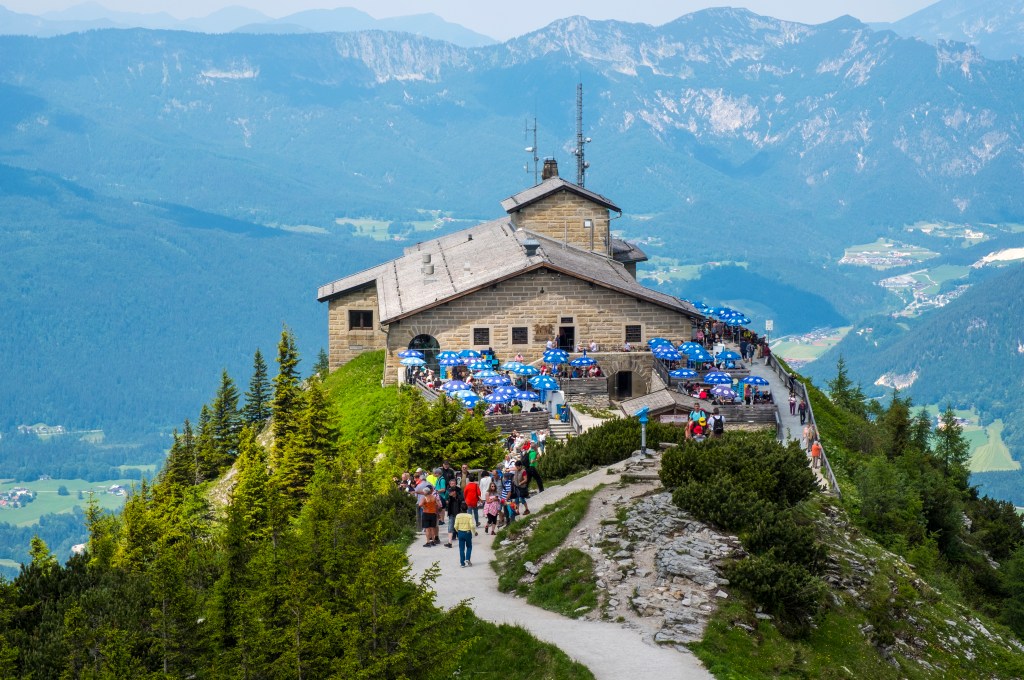
The brass elevator that carries visitors up through the rock to reach the summit has long been one of the site’s most distinctive features, part of the engineering spectacle that accompanied the retreat’s ominous historical weight. That same isolation now complicated efforts to save what the fire threatened.
The Eagle’s Nest has stood for decades as one of the most recognizable remnants of the Nazi era in the Bavarian Alps, its preservation a subject of ongoing debate about how Germany should maintain such loaded historical sites. Thursday night’s suspected arson introduces a new chapter to that complicated legacy, with an arrest made but questions about intent and damage still unresolved.