

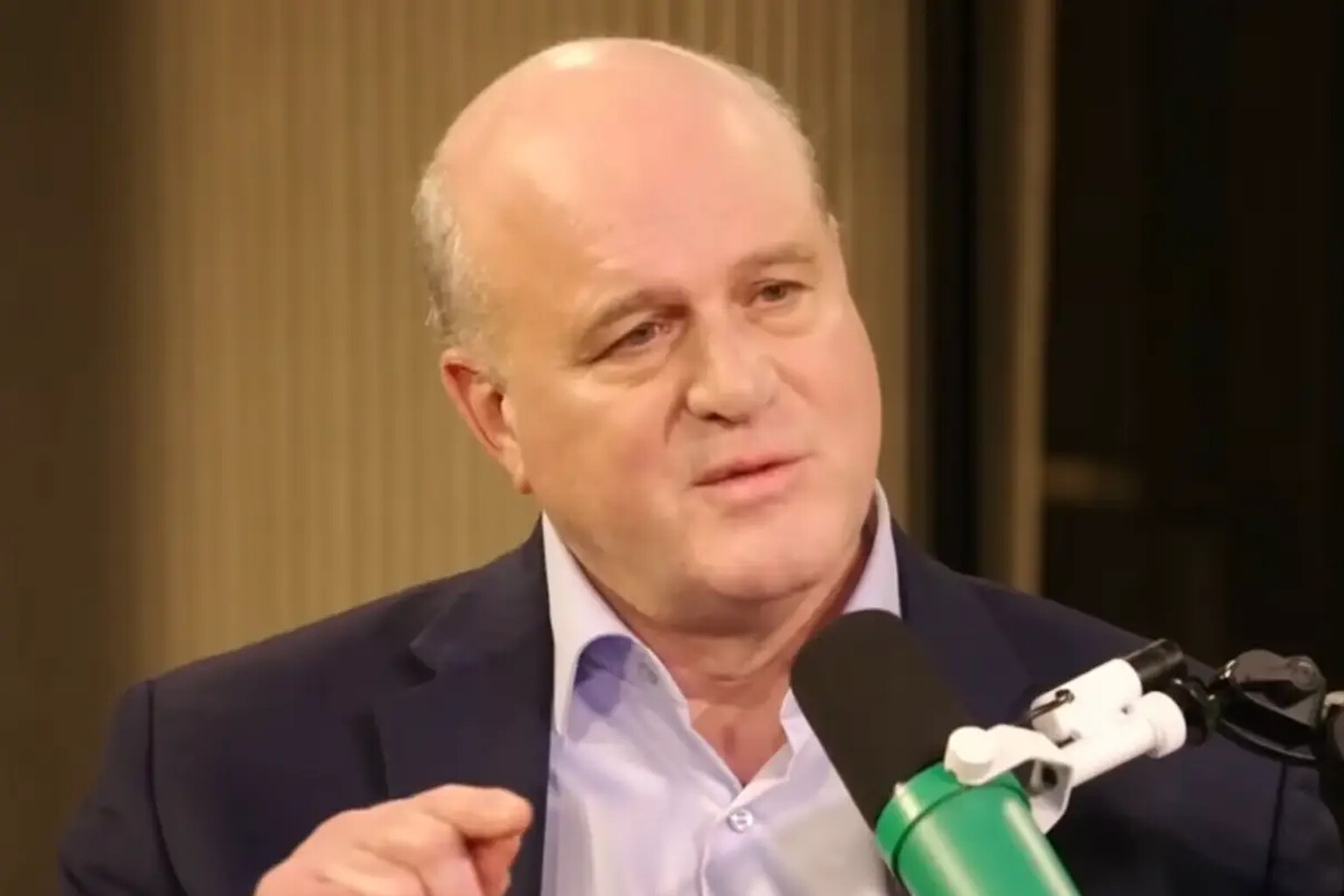
Dr. Chris Kerr, a hospice physician with 27 years of experience, has outlined the key signs that indicate someone is approaching death.
Kerr, who has witnessed thousands of patients take their final breaths, shared his observations during an appearance on Oprah’s podcast. He explained that one of the most telling indicators involves visions of deceased loved ones, which he deliberately avoids labeling as dreams.
“They’re not dream-like, and there’s not symbolism, they’re not metaphor,” Kerr said. “It’s based on real-life happenings, real-life people. It’s recalled with absolute clarity.”
The physician noted that these visitations intensify as death grows nearer, with patients spending increasing amounts of time asleep and immersed in these experiences. “It’s happening in the context of sleep, so you’re sleeping more, and within the sleep state, more and more you’re immersed in these experiences,” he said.
Kerr emphasized that patients themselves are adamant about the reality of what they perceive. “Sometimes they actually get offended when you imply that it was a dream because it was a visitation for them,” he explained. He added that in nearly three decades of practice, he has never once had a patient ask him to interpret the meaning of these experiences. “I’ve been doing it for 27 years. I’ve never had a patient ask me, ‘What do you think this means?'”

The doctor also identified increased sleep as a critical marker itself. Patients approaching death spend “more and more time within the sleep state,” he told Oprah, creating a cycle where longer rest periods allow for deeper immersion in these visitations.
Kerr’s observations extend to children facing terminal illness, where the phenomenon takes markedly different forms. Young patients typically have not lost relatives of their own, so their visions center on other sources of comfort.
“They don’t distinguish between the imaginary and the real in the same way,” Kerr said of dying children. “They don’t have language for mortality, finality.”
Rather than deceased family members, children more commonly envision lost pets or occasionally a family friend who has died. Kerr described one young patient who imagined herself inside a self-built castle, describing it simply as “a safe place.” Animals, he noted, carry “the same meaning” for children that late parents or grandparents provide for adults.
Despite these differences in content, Kerr found that children share with adults an unusually lucid grasp of their situation. “They often have a very clear understanding that they are at the end of their life,” he said.
Kerr’s work centers on documenting and understanding these end-of-life experiences through direct patient observation rather than theoretical framework. His approach treats patient reports as valid phenomena worthy of careful attention, regardless of medical explanations.
The physician’s long career in hospice care has positioned him to notice patterns that shorter-term practitioners might miss. His 27-year tenure has allowed him to track how consistently patients describe these visitations across diverse backgrounds and conditions.

The Oprah podcast appearance marked a rare mainstream platform for Kerr to discuss findings typically confined to medical and academic contexts. His willingness to engage with these experiences without reducing them to standard dream interpretation has distinguished his approach from more conventional medical perspectives.
Kerr continues his hospice work while sharing insights from his extensive bedside observations.