

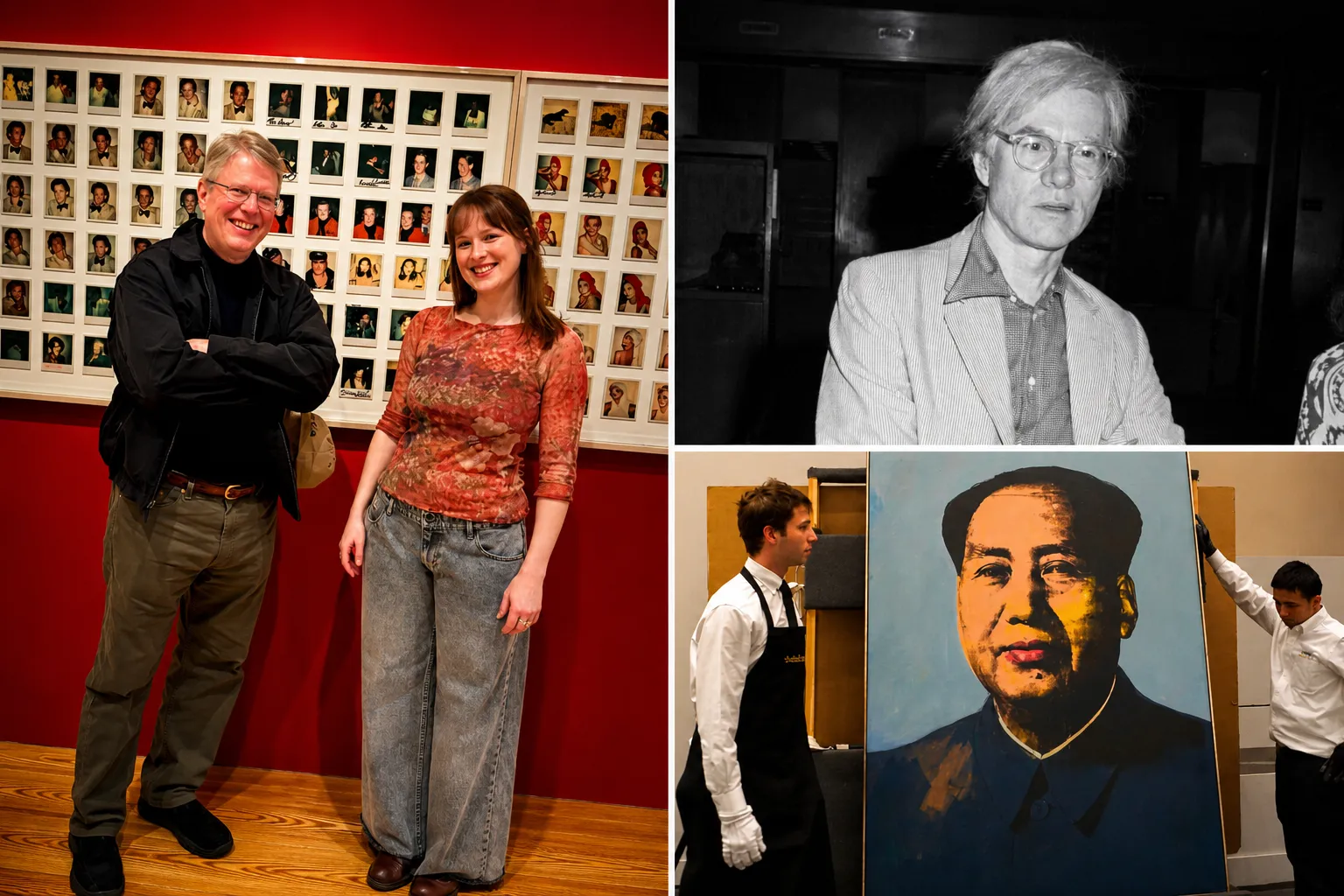
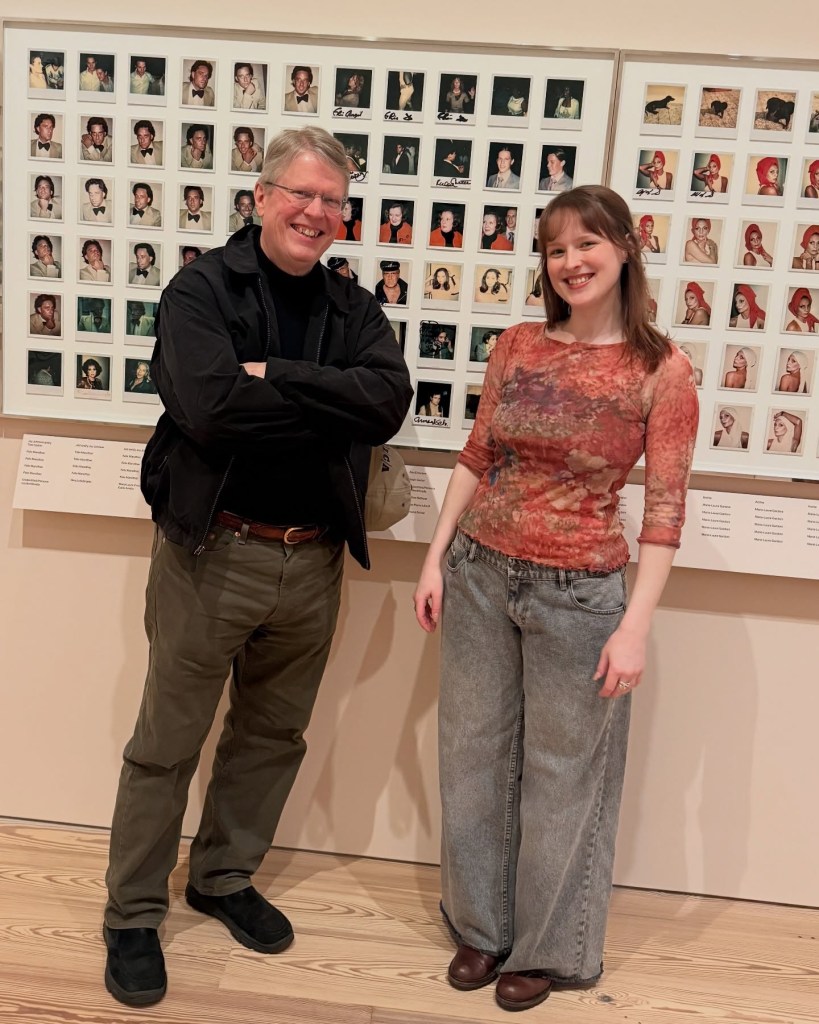
Marc Cheshire, 70, has spent decades in the rare documents trade, but his own life story just landed in a museum.
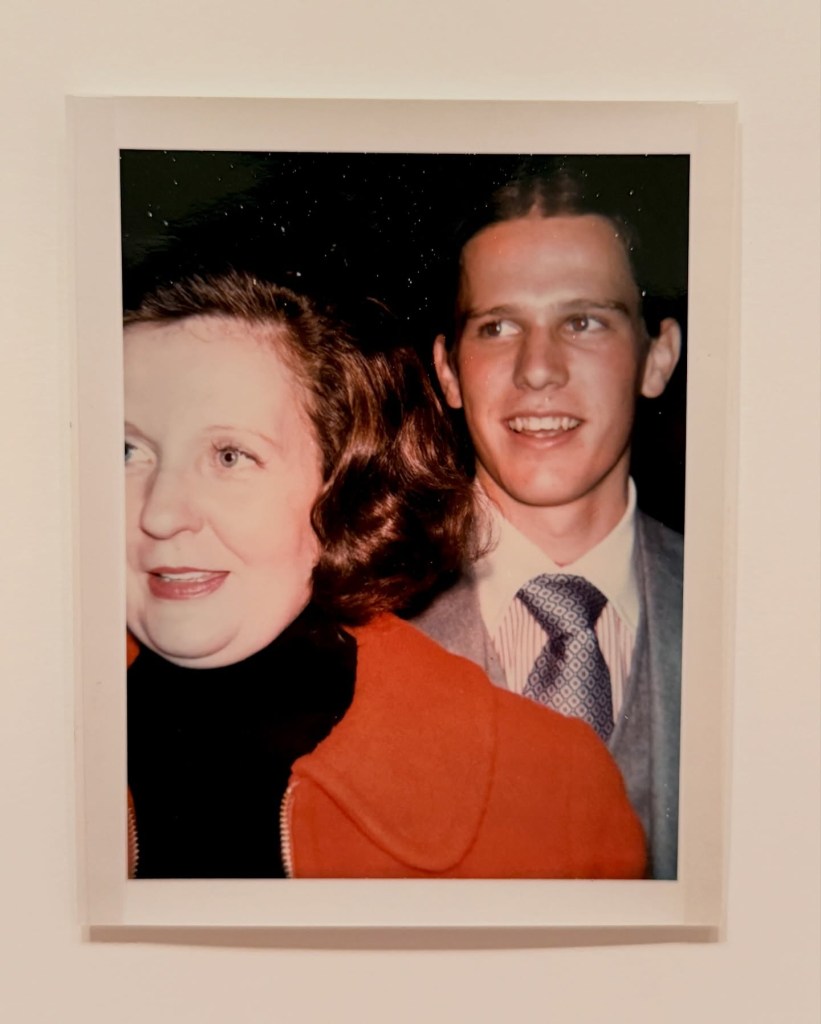
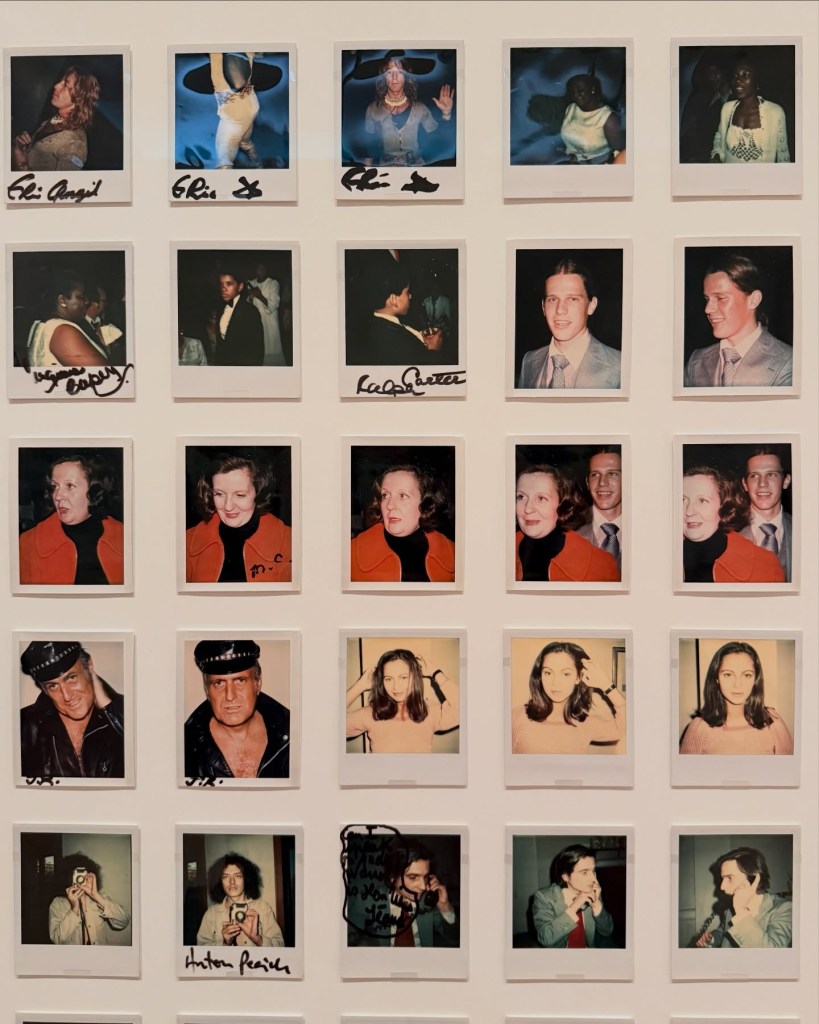
His Polaroid portrait now hangs in the Whitney Museum of Art as part of Andy Warhol’s “Family Album,” a collection of 732 instant photos that also captures Bianca Jagger, Yves Saint Laurent and Princess Caroline of Monaco. The image shows Cheshire alongside his late mother Maxine Cheshire, a former the outlet columnist, and it exists because of a pig-shaped cookie jar, a pop-art provocateur, and a teenage impulse buy.
The object in question once belonged to J. Edgar Hoover, the notorious FBI director who died in 1972. In March 1973, Marc joined his mother at Hoover’s estate sale and spotted the ceramic pig stamped “USA” on its base. The price was $1.50. The symbolism was free.
“It was close enough to the ’60s, when FBI [agents] were known as pigs,” Marc recalled to The Post. “And I thought, what could be better for Hoover?”
Society publicist R. Couri Hay, another figure in Warhol’s orbit, learned of the acquisition and saw opportunity. Warhol had developed an obsessive collection of cookie jars, and Hay proposed a swap. “I told Maxine, ‘Well, I can arrange to get you a cow [one of the cow wallpaper images Warhol was then making] in exchange for your wonderful, rare cookie jar,'” Hay told The Post. He then approached the artist directly: “I think we should trade one of the prints for the cookie jar to add to your collection. Then Maxine will come up [to New York] and maybe she’ll write a story.”
That October, the Cheshires flew the DC-to-LaGuardia shuttle and took a cab to Warhol’s Factory on Union Square West. Marc remembered carefully packing the now-prized cookie jar in newspaper cushioning for the journey.
Hay accompanied them and described their arrival to The Post. “Maxine was clutching the cookie jar like it was a pot of gold,” he said. “Andy took one look at Maxine and lit up. He thought she was a hoot. Meanwhile and all the factory regulars were running around. Maxine loved the whole thing.”
Marc’s own memory centers on Warhol’s entrance. “A lot of activity” accompanied the artist, who carried “a Polaroid camera and a tape recorder in one hand” while “his dog, Archie the dachshund, was in the other.” The teenager found him approachable. “We had a nice conversation and I told him how I ended up with the cookie jar,” Marc said.
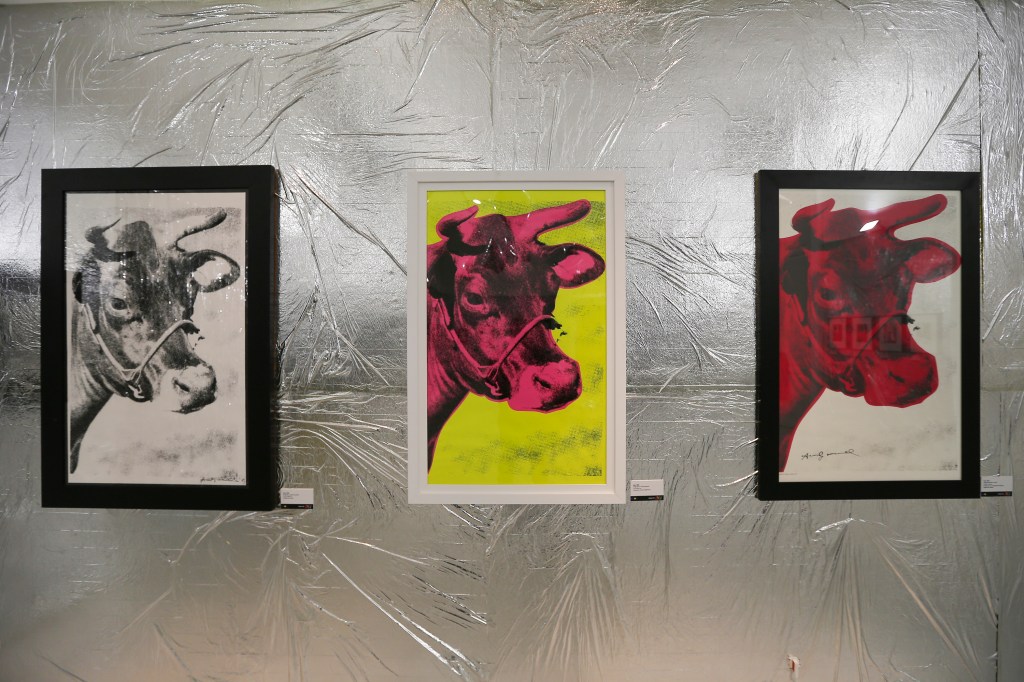
The encounter yielded more than conversation. Warhol signed and gave the Cheshires Polaroids of themselves plus the promised prints — a cow wallpaper image and one of his famous Chairman Mao screen prints. The Polaroids have since disappeared, but the prints remain in Marc’s Hudson Valley home, destined eventually for his daughter.
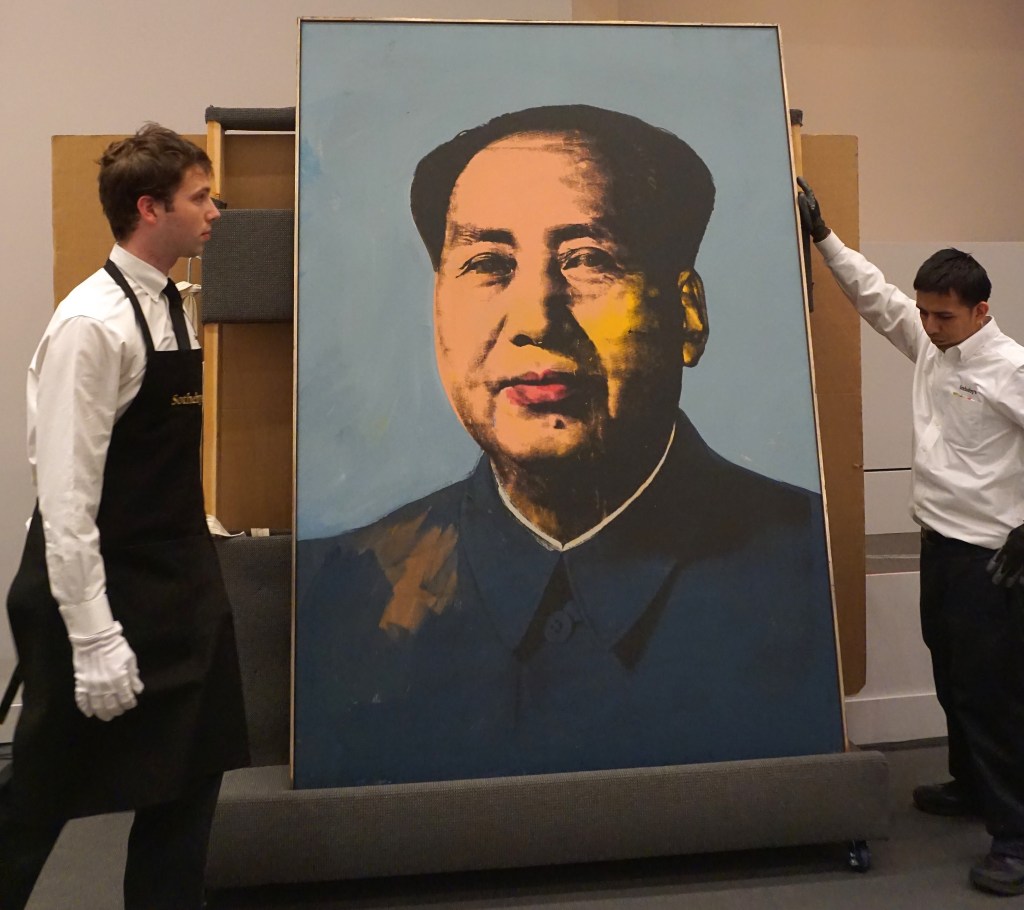
“They came from Andy’s gift closet where he kept prints [to give away as presents],” Hay explained. “He wasn’t handing out hundred-dollar bills to people, but he was very generous with the prints.” Hay speculated that Warhol may have had additional motives: “Maybe he was angling to sell Maxine a portrait,” he said, referencing the artist’s standard $15,000 sitting fee.
Jennie Goldstein, who curated the Whitney show, contextualized the exchange for The Post. “Warhol photographed everything, all the time,” she said. “He got his first Polaroid camera in the mid ’60s and was obsessed with the technology. He carried the camera everywhere with him and took photos of everyone who crossed his path.” The Cheshires’ visit was no exception.
The Mao print and cow wallpaper that Marc received have accumulated substantial value. According to myartbroker.com, examples of Warhol’s Mao prints currently sell for an estimated $27,000 to $47,000, while a signed 1971 cow wallpaper like Marc’s is valued at $17,000 to $27,000.
Marc attempted to reclaim the cookie jar in April 1988, attending day one of a ten-day Sotheby’s auction of Warhol’s possessions following the artist’s death. The Hoover pig was among the lots. “I was prepared to pay $1,000,” Marc recalled. “But the cookie jars were the star of the show.” Gaedalio Grinberg, board chairman of North American Watch Corp, acquired multiple lots of Warhol’s cookie jars, including the pig, for approximately $200,000 total.

Decades later, Marc’s daughter pushed him to visit the Whitney exhibition despite his skepticism. “We walked into the exhibition room and, literally, it was the first thing she saw,” he said. “It was unbelievable.” The Polaroid had been displayed as “unidentified” — a label since corrected.
Marc traced the object’s remarkable trajectory: from Hoover’s possession to his own for $1.50, then traded for art that appreciated vastly through association, the cookie jar’s value inflated fifteen years later by nothing more than its Warhol connection.