


A Colorado police sergeant is speaking out about how traffickers exploit children’s most basic needs after his department’s new unit recovered dozens of survivors in its first year.
Sgt. Joseph Sullivan of the Aurora Police Department said that the work is exposing abuse residents might never suspect is happening around them. The APD Human Trafficking Unit, created in September 2025, opened 53 investigations, arrested 28 suspects and recovered 29 survivors, including 15 minors, in its first 12 months.
“It is happening in our backyard, not just in those other places,” Sullivan said.
For Sullivan, one teenage girl’s story captures both the urgency of the mission and the painful reality that reaching a survivor does not guarantee salvation. The 16-year-old had been brought to Aurora — a city of roughly 400,000 outside Denver — from another town by her boyfriend, who then abandoned her. Trying to survive, she was sexually exploited by people around an apartment complex in exchange for somewhere to stay, drugs or food.
During an interview, she asked a detective to find those responsible.
“‘I really hope that you can find the people that are doing this, because it really hurts what I’m having to do just to survive,'” Sullivan recalled her saying.
The girl died of an overdose a few months later.
Sullivan cautioned that trafficking often looks nothing like the abductions portrayed in movies. Someone does not have to be snatched off the street for another person to exploit their vulnerability.
“There is some kind of need that a trafficker identifies to exploit, and that’s how they get in,” he said.
That need could be housing, food, money or affection. Sullivan described another high school student who came from a wealthier background but became vulnerable after her mother suffered a disabling medical crisis and her father was absent. The girl became addicted to drugs and was exploited by someone else.
“There really is no boundary on where we see victims,” Sullivan said.
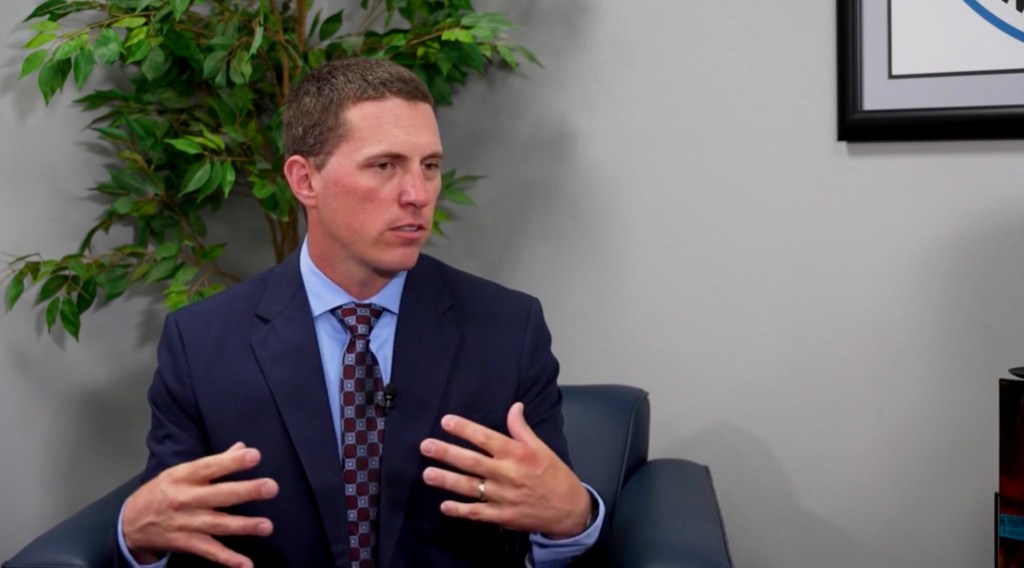
The unit has three detectives and a supervising sergeant, with a focus on sex trafficking involving people 21 and younger. The small team structure allows concentrated effort on cases that demand extensive time to gather evidence, build cases and help victims feel comfortable enough to testify.
“Having a dedicated unit helps lower their overall caseload and allows them to apply the time and effort that these cases deserve,” Sullivan said.
APD Investigations Bureau Cmdr. Marc Paolino said the unit was built to put survivors at the center of investigations while targeting those exploiting them.
“The work they’ve done has made our community safer and sent a clear message that the Aurora Police Department will aggressively pursue anyone who exploits others for this type of heinous, criminal activity,” Paolino said in a department release.
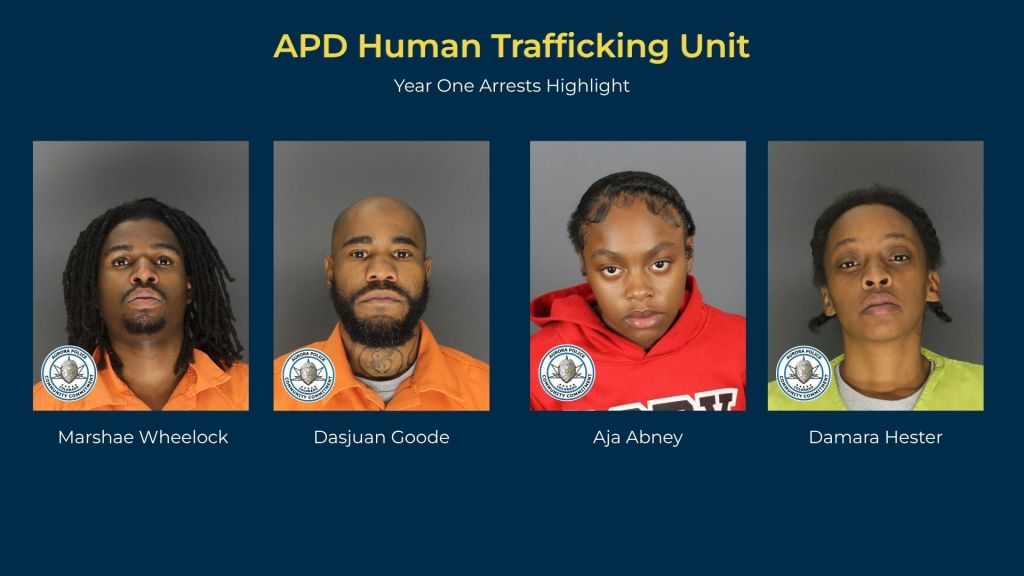
Among those arrested is Marshae Wheelock, 24, of Aurora, whom police linked to multiple cases allegedly involving the exploitation of children over several years.
“Marshae Wheelock represents the type of offender the Human Trafficking Unit was created to investigate; someone who repeatedly preys on vulnerable children,” APD Deputy Chief Mark Hildebrand said in the release.

The department also detailed a February undercover operation in which investigators recovered a 16-year-old girl and later identified three suspects accused of sexually exploiting her for financial gain.
Sullivan oversees Aurora’s Internet Crimes Against Children team as well as its trafficking detectives. The teams investigate distinct crimes, including sextortion, but their work can overlap. The trafficking unit draws on local, state and federal partnerships, and investigative resources through the Colorado Cyber Guardian Task Force.
Investigators regularly work with other agencies, including when victims travel between states.
“This is a problem in every community around the country, whether it’s a big city or small,” he added.
Filling victims’ needs through legitimate support is central to helping survivors escape and stay free. The APD works with human services officials, nonprofit organizations and victim advocates. Sullivan pointed to a local group, From Silence to Saved, which helps victims from the beginning of an investigation through court proceedings and afterward.
“Using a group of people to help identify those needs and provide those needs is kind of the goal and the key to us being successful,” Sullivan said.
For parents, Sullivan’s advice begins with staying involved and asking questions about what their children are doing online. Warning signs can include unexplained cash, new clothes or paid-for manicures, as well as disappearing for a weekend and returning with things they did not have before. He encouraged families to use educational resources from the National Center for Missing & Exploited Children.
Some investigations remain stalled while detectives await additional information. Survivors may not be ready to come forward or may not recognize themselves as victims, making it harder to advance a case.
Asked whether Tren de Aragua had been involved in the trafficking his team investigated, Sullivan said his unit had not encountered that connection.
He urged people experiencing exploitation to seek support even if they are not ready to participate in a criminal investigation, noting that advocacy organizations can help without involving police.
“We don’t turn away any kind of tips,” Sullivan said.
The unit enters its second year with priorities unchanged: identifying victims and building cases against those exploiting them.