

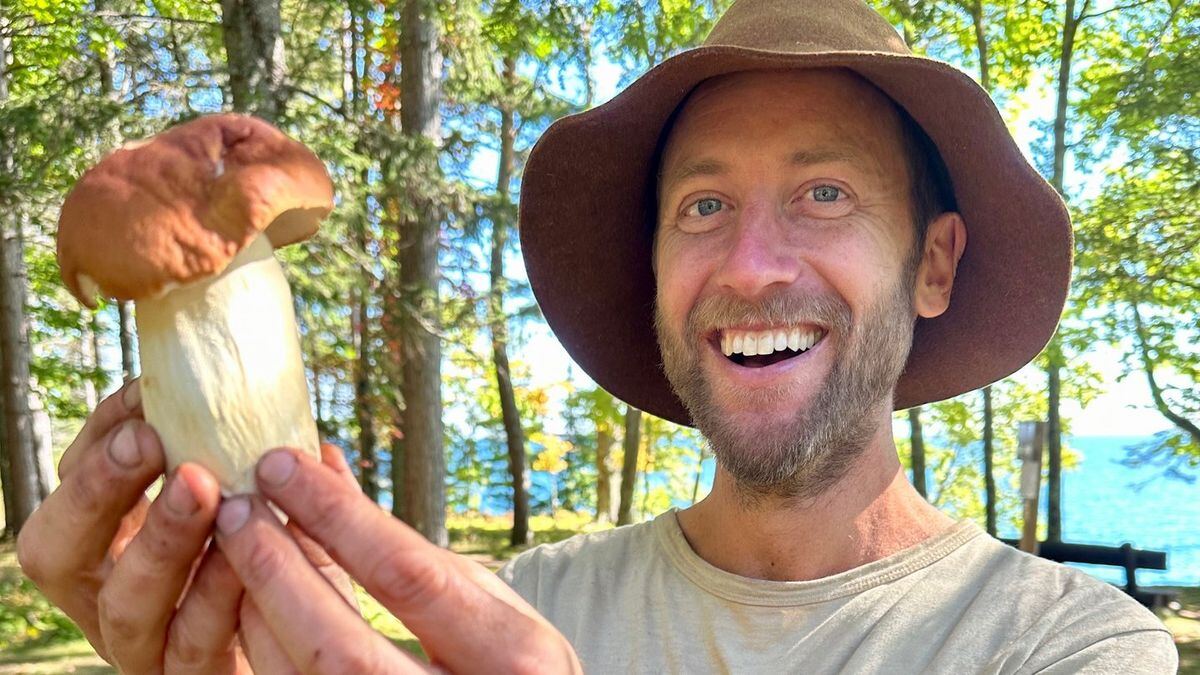
Robin Greenfield has revealed the physical toll of his year-long foraging challenge, including mercury buildup from fish and wildfire smoke exposure.
The 39-year-old environmental activist, based in Ashland, Wisconsin, has spent nearly twelve months surviving exclusively on wild food and medicine gathered directly from nature. Speaking to the outlet, Greenfield detailed how his body has responded to a diet of acorns, weeds, fish, and foraged plants, with both surprising setbacks and recoveries.
Greenfield, who previously grew all his own food in Portugal during a 2019 immersion, explained the fundamental shift in his relationship with sustenance. “I don’t have a grocery store to go to, I don’t have a restaurant, if I want to eat, I have to go outside and build relationships with the plants,” he said. “I have to learn how to identify them, harvest them, cook them, make medicine from them.”
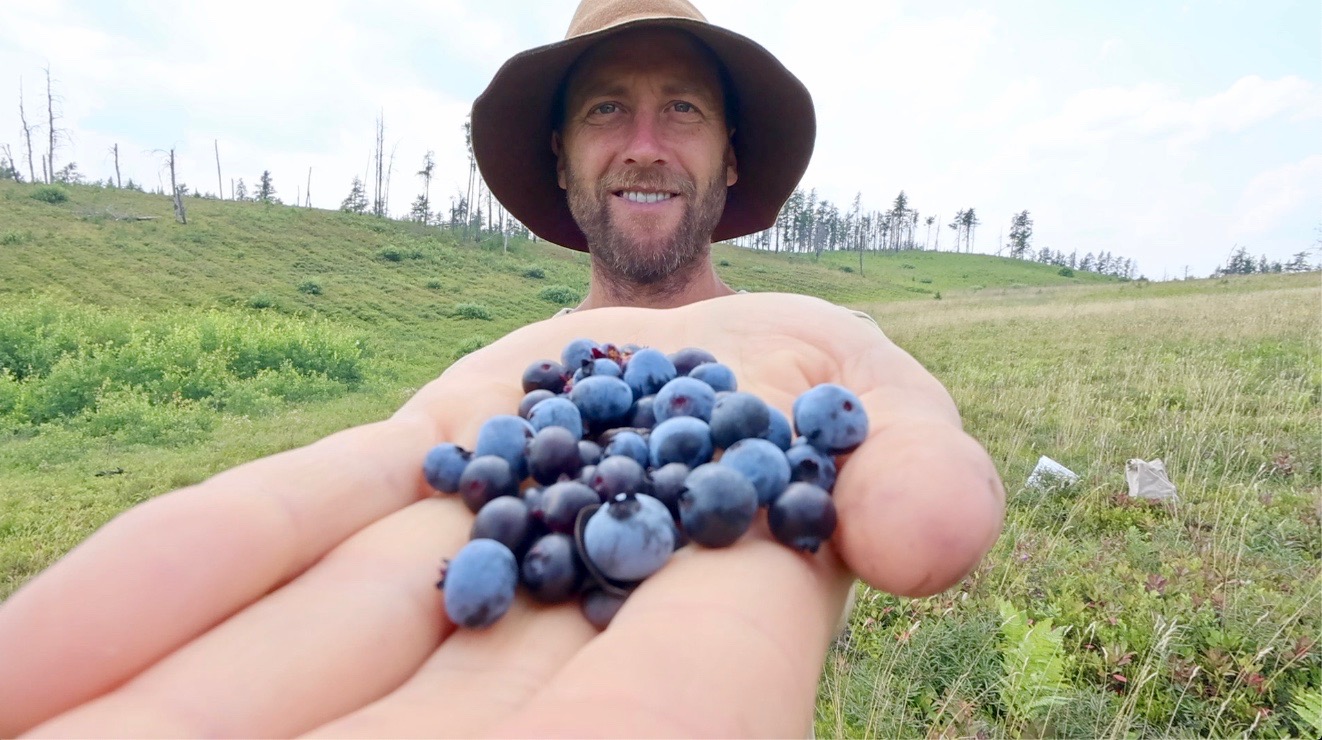
His diet has centered on foods many would overlook or discard. Wapato, lotus nuts, nannyberries, burdock, stinging nettle, and thistles have joined more recognizable fare like black walnuts, wild mushrooms, wild onions, venison, and what he terms “genuine” wild rice. When illness strikes, he reaches for herbal teas brewed from elderberry, goldenrod, and mint rather than pharmaceuticals, maintaining that most modern ailments stem from self-neglect.
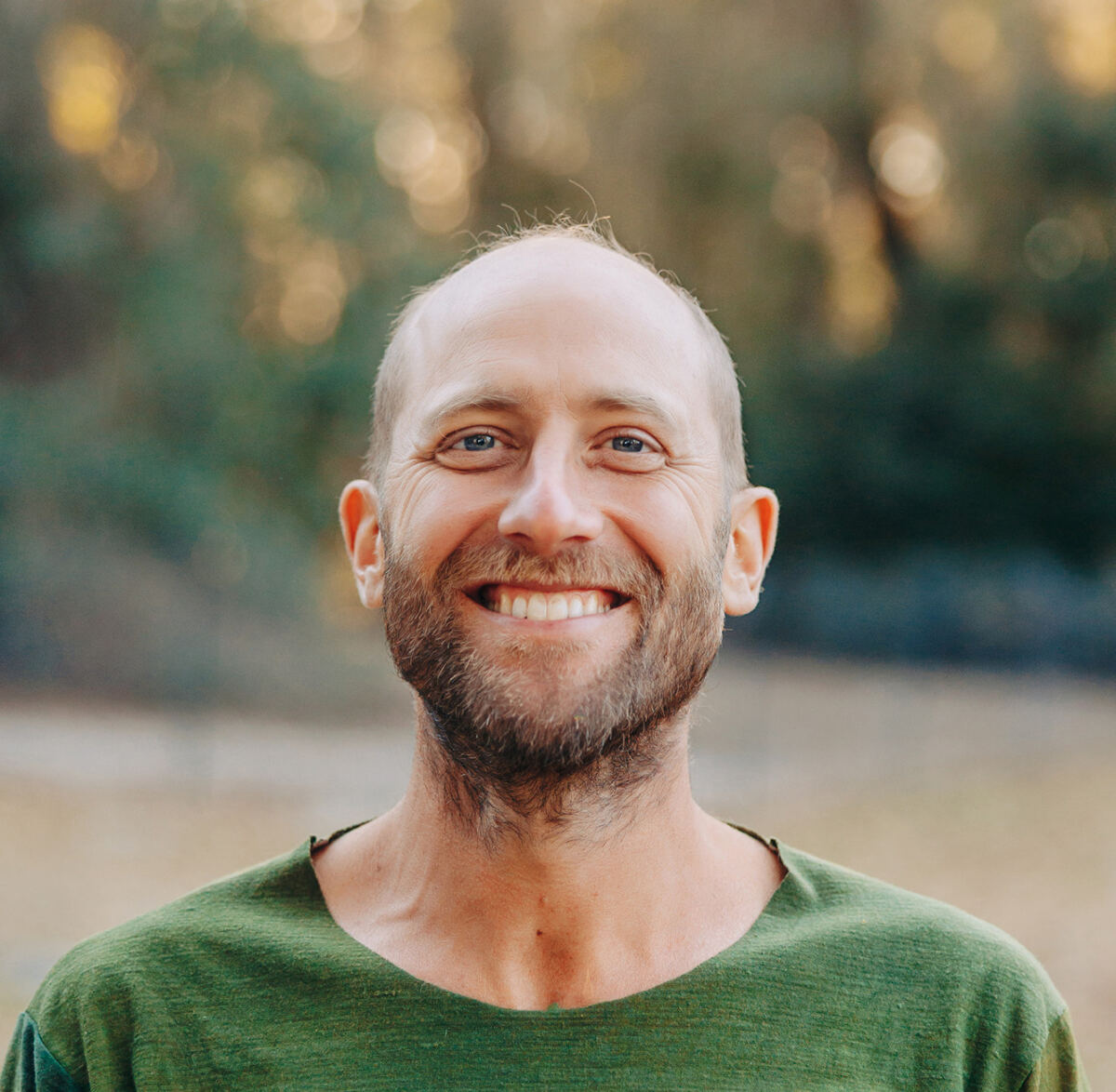
The challenge has extracted measurable costs. Greenfield developed low iron levels mid-year, which he attributed to mercury accumulation from heavy fish consumption. Once diagnosed, he pivoted his diet toward foods and herbs that facilitate mercury removal and iron absorption. The adjustment proved effective, with his anemia resolving within two months.
More recently, the activist has battled unexplained exhaustion following exposure to hazardous wildfire smoke. He endured multiple days of “purple level” readings at 500 parts per million while continuing to forage outdoors, his small eco-cabin offering scant protection from the elements. In the week afterward, he described experiencing one of the “strongest bouts of fatigue” of his life, though he could not isolate whether smoke, nutrition gaps, or another factor was responsible.
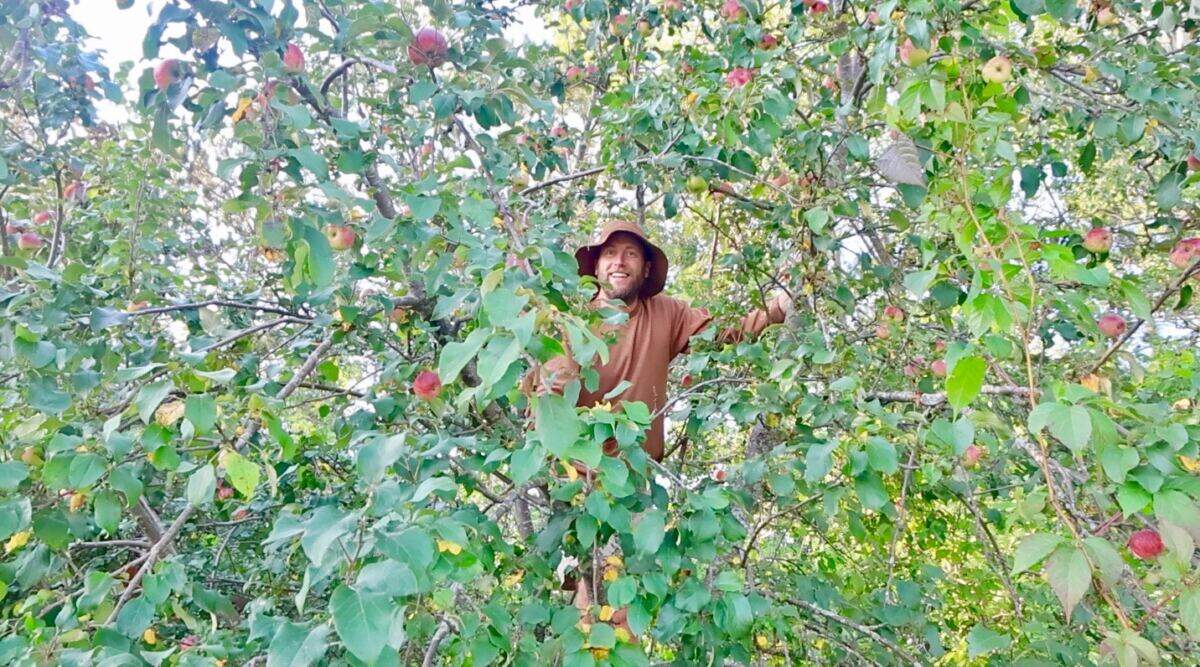
Despite these physical setbacks, Greenfield emphasized the psychological dividends of his lifestyle. He has encountered thousands of people pursuing similar paths of growing, foraging, and reconnecting with nature, and he catalogued the benefits he has witnessed. “It helps with alleviating depression and anxiety, it helps with having a sense of meaning and purpose, it brings so much joy into people’s lives,” he shared.
Greenfield framed self-sufficiency as political resistance, arguing that communities capable of feeding themselves resist corporate and governmental control. He suggested that foraging cultivates critical thinking that institutional powers actively suppress, making the practice as much about mental liberation as physical survival.
With approximately sixty days remaining at the time of his interview, Greenfield characterized himself as entering the “home stretch,” mentally and spiritually aligned with the project even as his body craved rest. He expressed no desire to alter his approach, citing the stream of people who have told him his journey inspired them to transform their own relationships with food and nature.
For those curious about foraging without committing to a full year, Greenfield offered measured advice. He suggested starting with a single plant, learning to identify and use it thoroughly before expanding. Even one new plant per month, he argued, could meaningfully deepen someone’s connection to their surroundings and community.
Greenfield previously spent 2019 growing and foraging 100 percent of his food in Orlando, Florida, converting front yards into gardens and demonstrating that individual food independence was possible within urban environments. That project concluded with what he described as exceptional health and high spirits, setting the template for the current, more rigorous challenge that eliminates even cultivated gardens from the equation.
Greenfield is documenting his health metrics throughout the year, including weight, bloodwork, and gut microbiome analysis, with findings scheduled for publication. His foraging year officially began October 9, following three months of preparation in northern Wisconsin, and has included teaching tours across the East Coast, Florida, and planned stops on the West Coast and through the Midwest.
He is also writing a book on the experience, expected to release in 2027.