

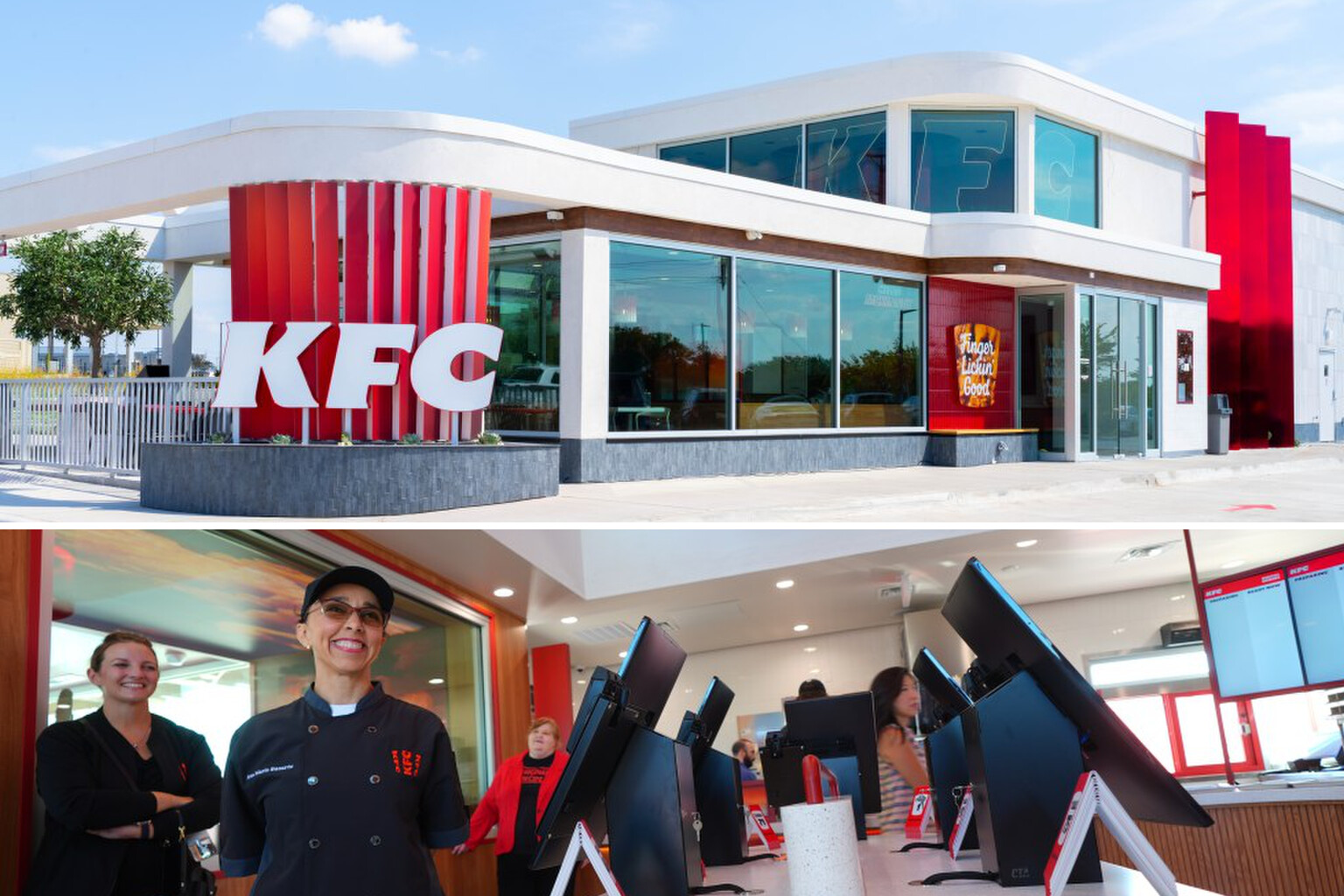
KFC is betting its future on a single Texas storefront.
The chain’s new Open House location in McKinney, Texas, opened last week as a live experiment in how the 75-year-old brand founded by Colonel Harland Sanders can modernize without losing its identity. Catherine Tan-Gillespie, KFC US President, called the project “the Kentucky Fried comeback made real in one restaurant” in an interview.
The Dallas-Fort Worth suburb was chosen deliberately. Tan-Gillespie described the area as fast-growing and fiercely competitive for restaurants, with McKinney offering both loyal KFC customers and the new consumers the chain needs to win. The suburban setting also means any successful innovations could spread to similar markets nationwide.
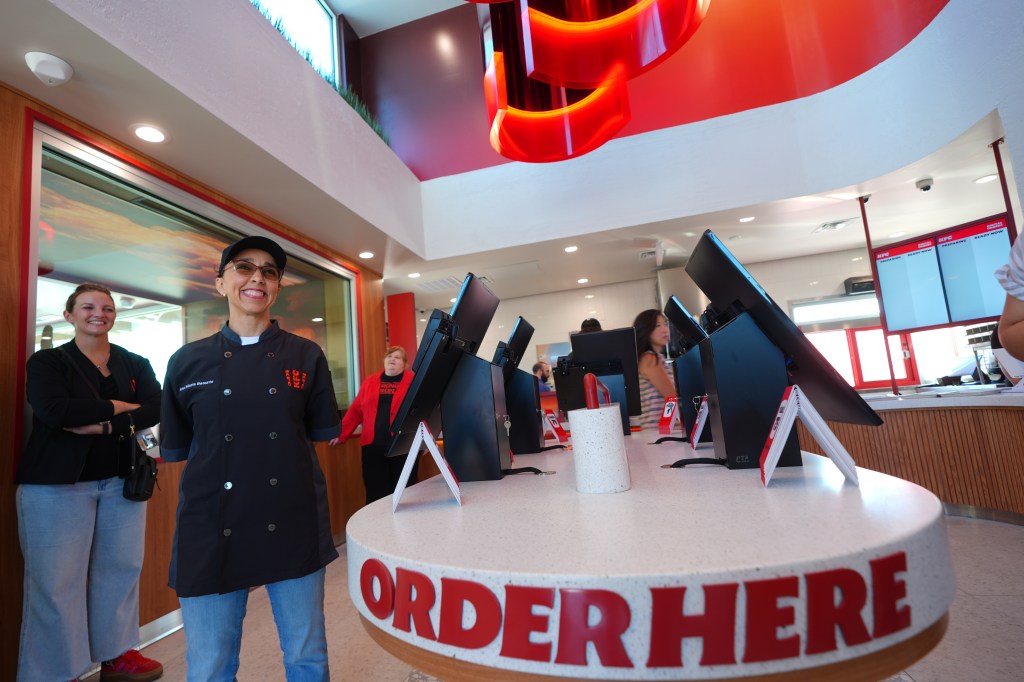
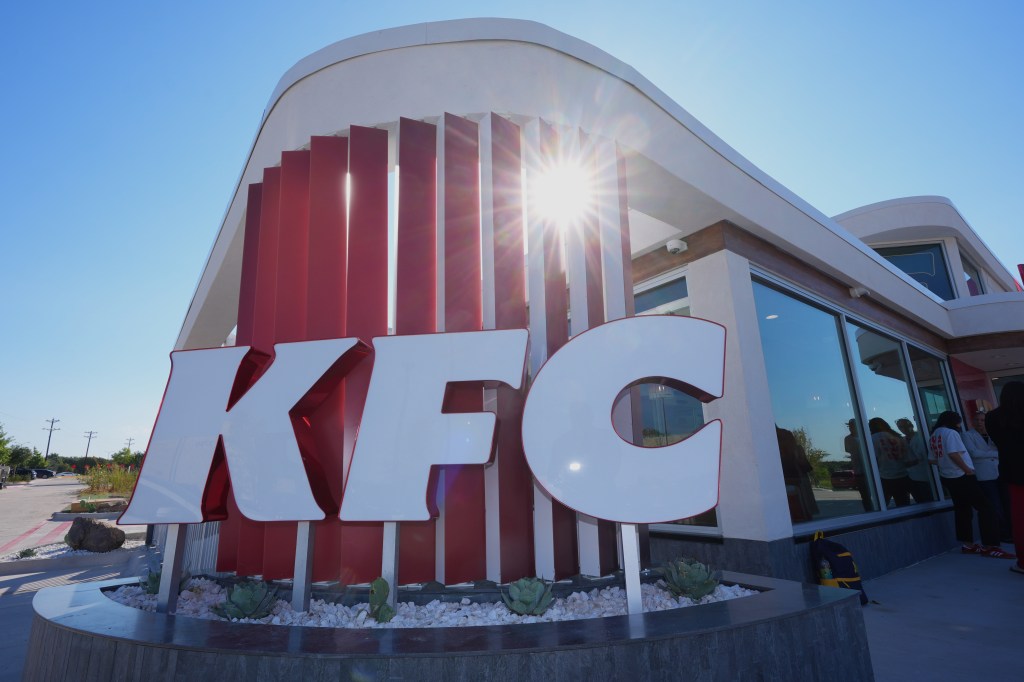
The design itself started with a simple question. “We sat back and said, you know, if the Colonel were building a restaurant from scratch today, what would this look like?” Tan-Gillespie said. The result blends Art Deco and mid-century modern influences with large glass windows, digital ordering systems and updated drive-thru technology. Yet human touches remain: lobby hosts, table service, booths and outdoor seating all encourage customers to linger and gather.
“For me, the philosophy is that we should be digital where it’s helpful, but human where it matters,” Tan-Gillespie said.
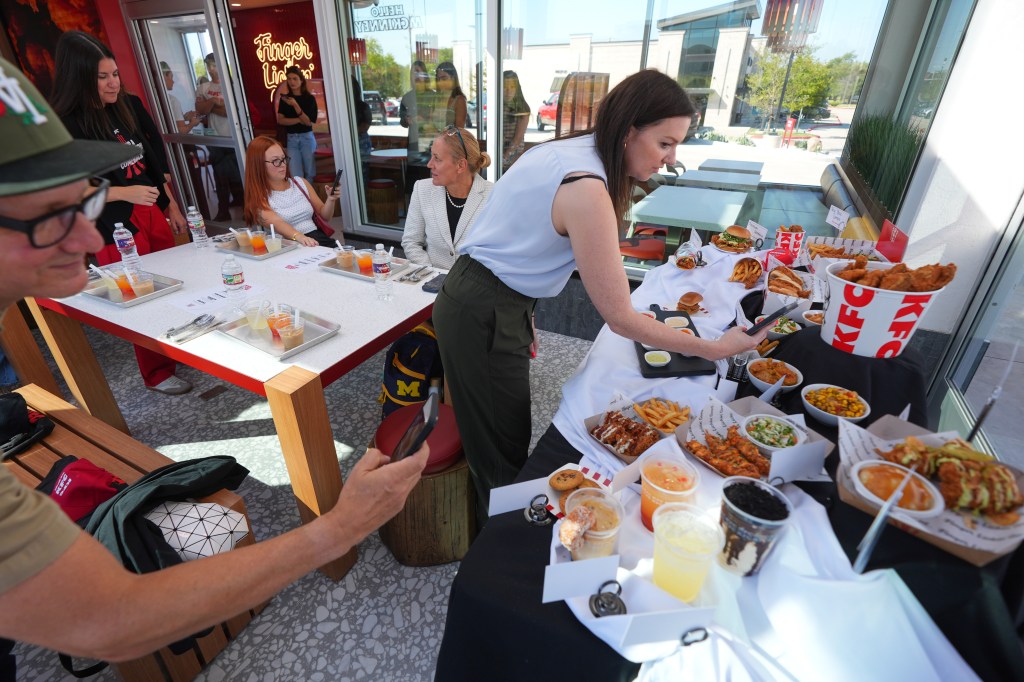
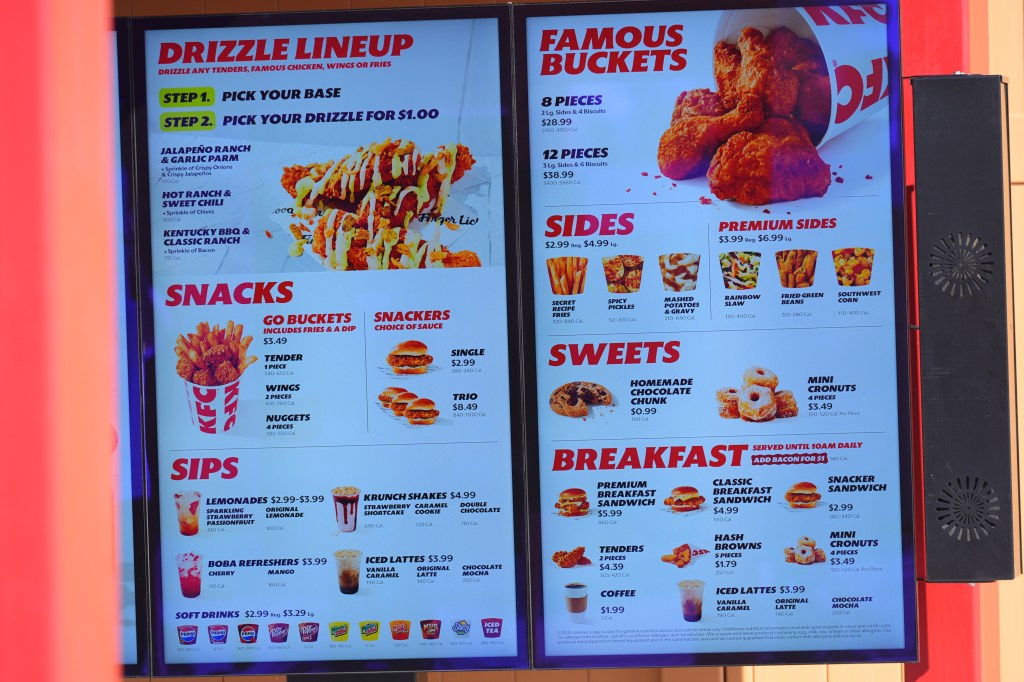
The menu strikes a similar balance between heritage and experimentation. Buckets and the original recipe stay central, but the location expands into tenders, wings, sandwiches, wraps and nuggets. New sauces, drinks, snacks, sweets and sides round out offerings. Breakfast joins the mix too, with Open House operating from 6 a.m. To midnight to test dayparts that have never been major revenue drivers for KFC in the US.
“We will see if those shoulder day parts work commercially for us and work for the guests, work for our team members,” Tan-Gillespie said. “If they don’t, we’ll cut them back. And if they do, then we can look to scale them nationally.”
The urgency behind this experiment stems from a specific problem KFC has identified in its home market. “There is a massive love for this American icon,” Tan-Gillespie said. But in the US, she added, “we tend to be thought about in people’s memories. We’re not actually being considered in eating moments of today.” That gap between nostalgia and daily relevance shaped every decision about Open House.
Some elements, however, remain untouchable. “Buckets of original recipe fried chicken should not change,” Tan-Gillespie said. “I think the things that should change is making sure that we expand into the ways that customers want to eat fried chicken today.”
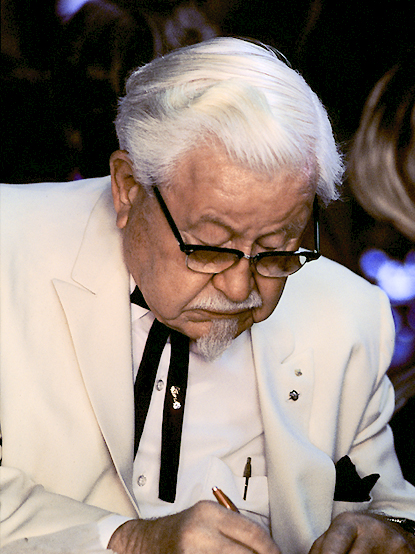
The project also carries the weight of honoring its founder’s legacy. Asked what Colonel Sanders might think of the balance between his creation and KFC’s current direction, Tan-Gillespie did not hesitate. “I think he would feel really proud, actually,” she said. “I think he would say, ‘This feels like me. This feels like what I was trying to do.’ But for today.”
The McKinney restaurant represents a broader pattern in fast-food evolution, where legacy chains increasingly build prototype locations to test format changes before national rollout. KFC’s approach differs in its explicit framing around one founder’s original vision translated for contemporary consumers, with the Colonel’s persona serving as both anchor and permission for change.