


Taraneh Rahimi, 19, was sentenced to death after months of torture in Iranian custody, according to her mother Marzieh Nourmohammadi.
Nourmohammadi says her twin daughters, Taraneh and Romina, were beaten, had their feet broken, and had their hair ripped out during four months of detention following their participation in January anti-regime protests. The sisters were still in high school when they joined millions demonstrating against the Iranian government.
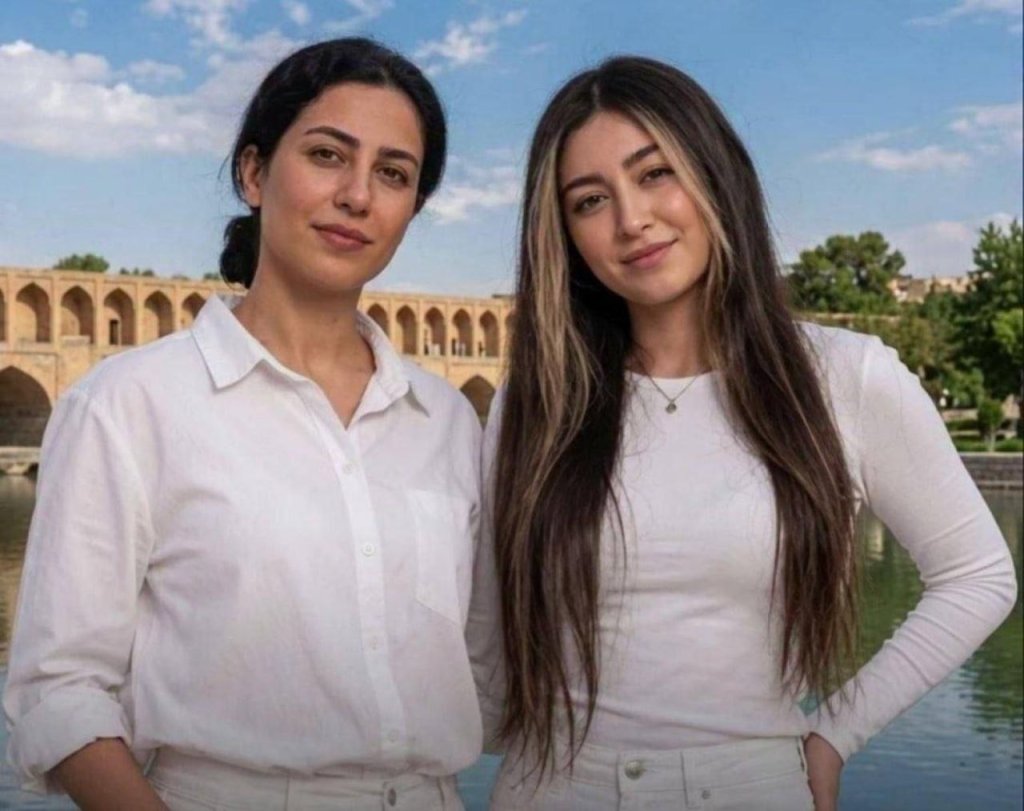
The mother was unable to recognize her daughters when she saw them at their sentencing hearing. The physical toll of their imprisonment had altered their appearance so drastically that Nourmohammadi could not identify the teenagers she had raised.
At that same hearing, Nourmohammadi learned that Taraneh had received the death penalty. The sentence came after Taraneh confessed to participating in the demonstrations, a confession her mother says was extracted through an extreme threat against her sister.
Prison guards told Taraneh they would rape Romina in front of her if she did not comply and confess, Nourmohammadi claims. Taraneh gave the confession to protect her twin from sexual violence, according to her mother’s account.
Romina’s current legal status remains unclear from the available reporting. While Taraneh’s death sentence has been made public through the family’s statements, authorities have not confirmed what sentence, if any, Romina faces.
The twins were 19 years old when arrested, making them part of a growing cohort of young Iranians caught in the government’s sweeping response to the protest movement that began in January. The demonstrations drew millions into the streets against the regime.
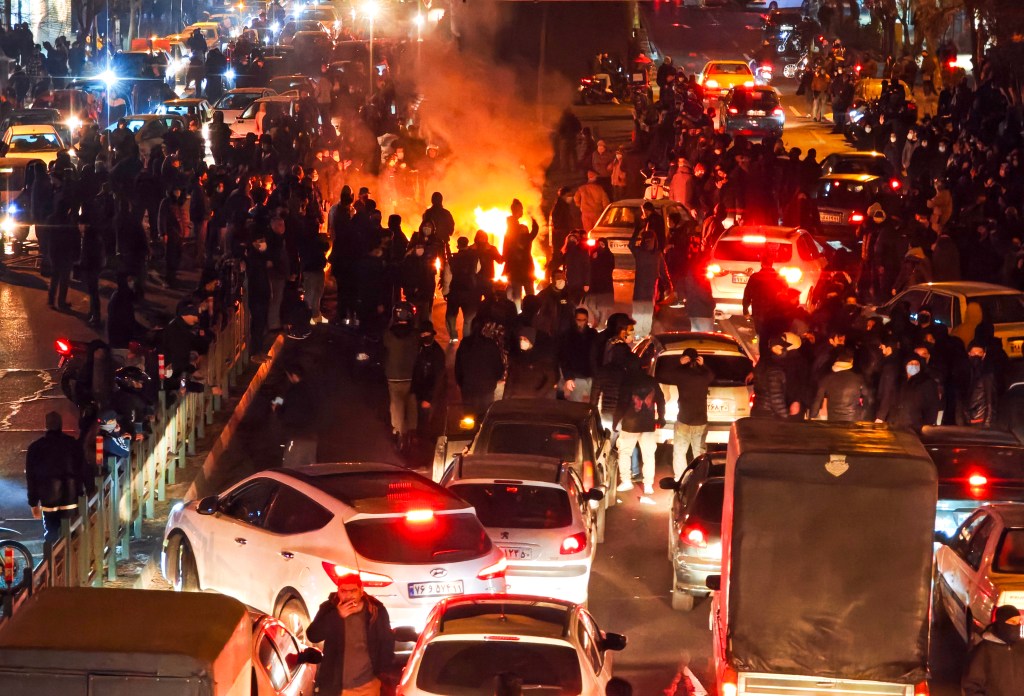
Iran has carried out multiple executions of protesters and others arrested in connection with the unrest. Rights groups have documented cases of torture, forced confessions, and capital punishment targeting demonstrators, with teenagers and young adults among those put to death.
The Rahimi sisters’ case adds to mounting evidence of sexual violence being deployed as a tool of coercion against detainees. Previous reports from rights organizations and survivors have documented rape and threats of rape used to extract confessions or punish protesters in Iranian custody.
Nourmohammadi’s disclosures about her daughters’ treatment come amid intensified international scrutiny of Iran’s protest crackdown. Multiple executions have already been carried out, including that of 19-year-old Saleh Mohammadi, a champion wrestler hanged publicly alongside two other men.
The January protests represented one of the most significant waves of anti-government demonstrations in Iran in years, triggered by economic hardship and political grievances. The government’s response has included mass arrests, systematic torture, and capital charges against participants, with courts routinely relying on coerced confessions.
Human rights monitors have documented child detainees subjected to torture, and nurses detained for aiding protesters have reported gang rape by security agents. The pattern of abuse described by Nourmohammadi fits documented tactics in facilities across the country.
International rights organizations continue to appeal for intervention in cases involving young detainees facing execution, though Iranian authorities have proceeded with sentences despite global condemnation.