

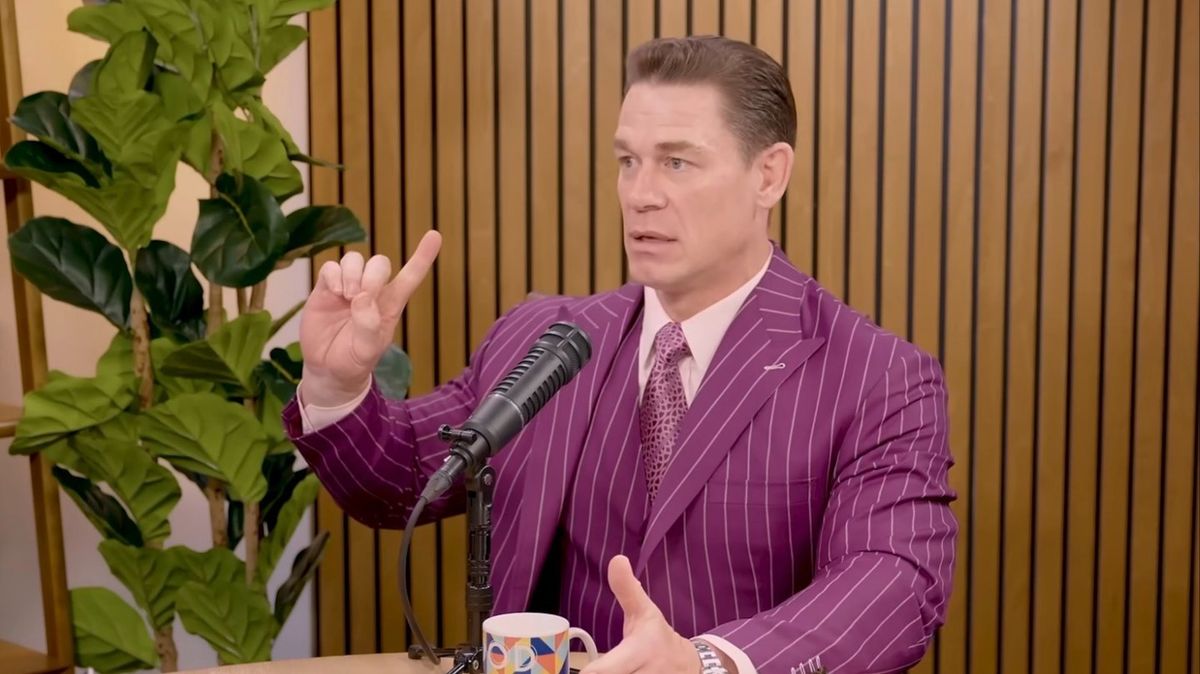
John Cena has shared the personal approach that has guided him through years in both wrestling and film, pointing to four qualities he believes will lead to failure no matter how much skill or potential a person has.
During an appearance on Amy Poehler’s Good Hang podcast, Cena said he doesn’t believe success can be reduced to one dependable formula. What he does think, however, is that there are certain behaviors that almost always send people in the wrong direction.
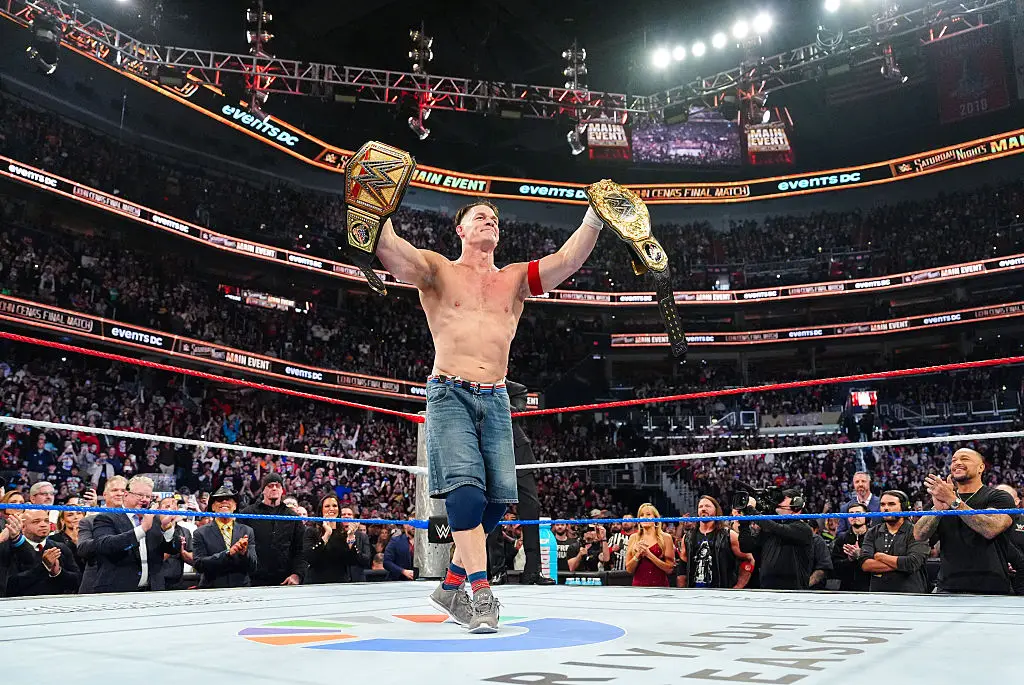
The conversation comes as Cena continues to balance Hollywood work with life after his in-ring WWE career, which ended with his retirement in December 2025 after a farewell tour that spanned much of the year.
“I am where I’m at because I know how to fail,” Cena said, before laying out the four traits. “The things you do in life, I can guarantee you will fail if you are unreliable, unprofessional, uninvested, and uncoachable.”
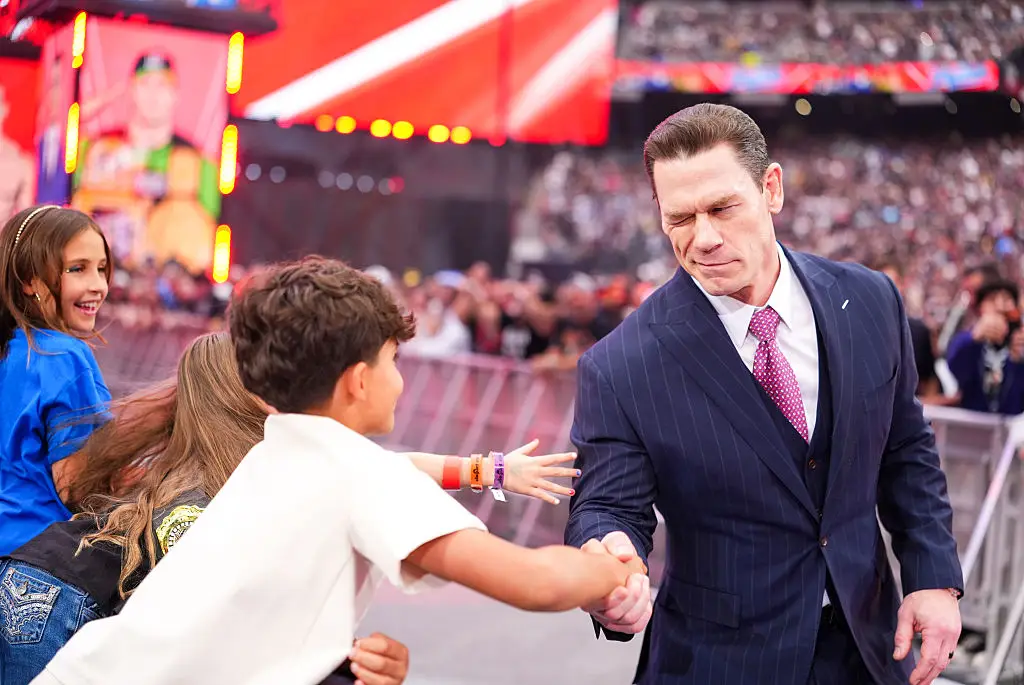
Cena made clear that he was talking about more than just careers or workplace performance. In his view, avoiding those four habits does not promise a win, but embracing them almost certainly creates a loss.
“I’m not saying if you’re coachable, professional, reliable, and passionate, you will succeed,” he explained.
“Because there’s still a level of magic dust and ambiguity and luck and things beyond our control. I can’t tell you how to succeed.
“What I can do is if you are unprofessional, uncoachable, uninvested, and unreliable, you will fail 100%. Guaranteed.”
Poehler agreed, comparing his point to what she has seen in comedy. She said that being someone others genuinely want to work with often opens as many doors as raw ability does.
“It falls under that category, which is when people want you around, you get more opportunity,” she said, adding that people tend to remember how someone made them feel far more than the specifics of what they achieved.
Good Hang launched in 2025 and has regularly featured actors, comedians and other public figures in wide-ranging conversations. Cena’s appearance fit that format well, mixing career reflection with advice about professionalism, accountability and attitude.
Cena said that perspective comes from always viewing each break as something earned rather than owed. He described his own career as an unlikely one, especially given that he did not come through a traditional performance background.
“I’m also not supposed to be here,” he said. “I’m a kid from West Newbury who didn’t train for this.”
He said that same line of thinking applies directly to wrestling. While he may not have control over the final decision in a match, he believes he is fully responsible for how prepared and professional he is before stepping into the ring.
“I don’t run the company, so I don’t control who wins and loses,” he said. “I get a chance to make choices within my story, but I can’t change the finish. I should be prepared. I should hit my time. I shouldn’t ask for more than I’m given. And I should be grateful for what I have.”
For Cena, the lesson is simple: consistent effort, professionalism and gratitude may not guarantee a particular outcome, but they give any opportunity a better chance of leading to the next one.