

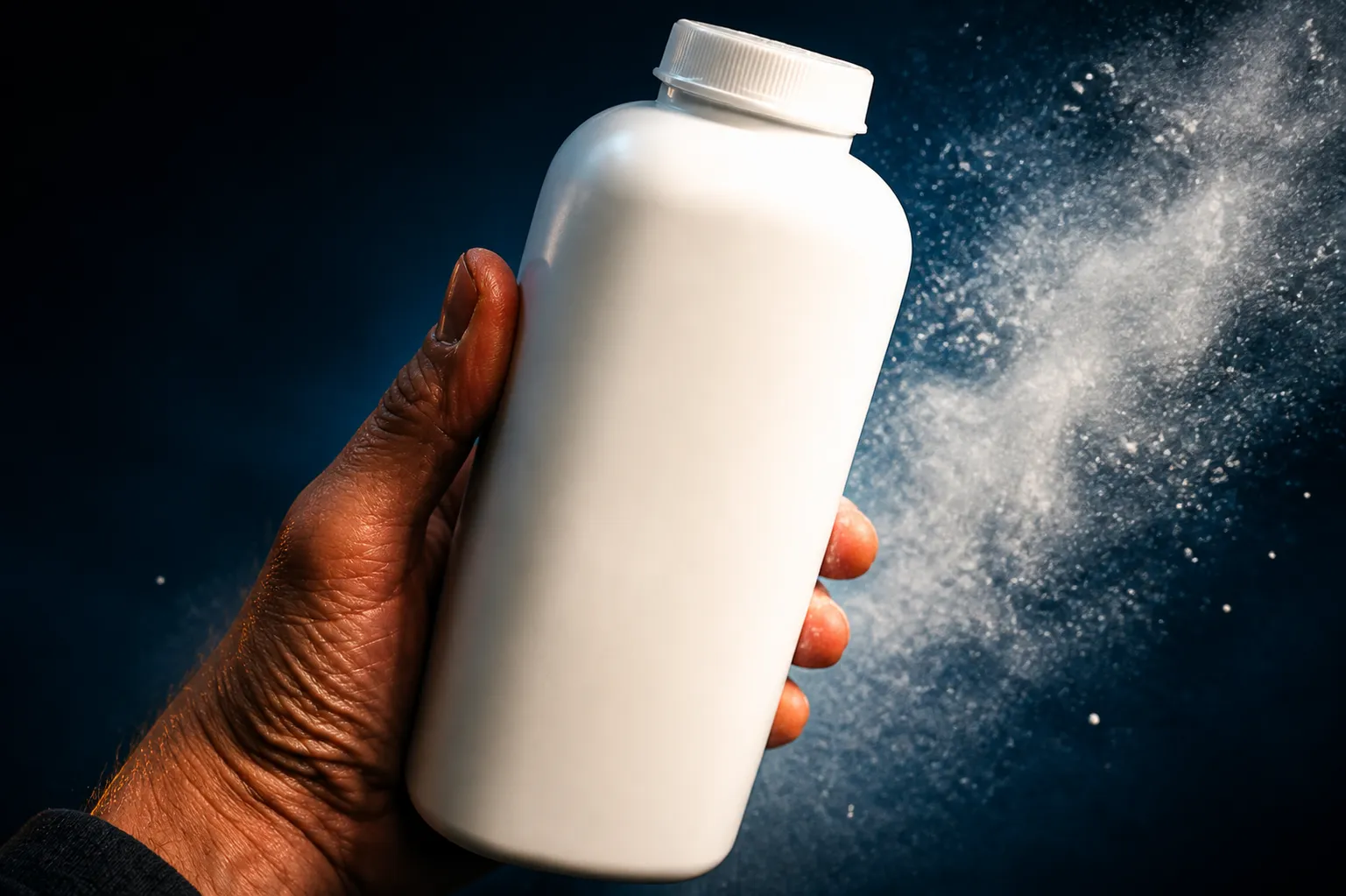
Johnson & Johnson announced Monday that it has proposed a landmark $5.5 billion settlement to resolve tens of thousands of lawsuits alleging that its baby powder and other talc products caused ovarian cancer, marking a potential turning point in a contentious legal battle that has consumed the company for more than a decade.
The proposed settlement would resolve approximately 69,000 to 76,000 cases consolidated in federal court in New Jersey, plus related lawsuits in state courts, representing nearly all remaining talc claims against the company. The agreement covers 99.75 percent of the outstanding ovarian cancer claims, a dramatically broader resolution than previous failed attempts to settle through bankruptcy.
The settlement announcement came just days after a federal judge cast significant doubt on plaintiffs’ claims. On July 22, U.S. Magistrate Judge Rukhsanah Singh ordered plaintiffs to demonstrate why their cases should not be dismissed after they withdrew two key expert witnesses who were supposed to testify that talc specifically caused ovarian cancer. The judge raised “deep skepticism” about whether current scientific methods could reliably establish that talc was a substantial contributing factor in any particular plaintiff’s disease.
Johnson & Johnson has maintained for years that the talc claims lack scientific merit. The company stated that plaintiffs had “effectively conceded” their inability to prove what legal experts call “specific causation”—the ability to show that talc specifically caused a particular claimant’s cancer rather than other possible risk factors.
However, the company decided to settle despite its favorable legal position. Erik Haas, J&J’s worldwide vice president of litigation, said in a statement that while “we are confident the company would have ultimately prevailed with further litigation, as it has in the vast majority of cases tried to date, this resolution allows the company to put this matter behind it and remain focused on its mission to develop medicines and devices that save lives.”
For the settlement to become final, it must be accepted by at least 95 percent of ovarian cancer claimants in state and federal court. Plaintiffs’ law firms confirmed the agreement Monday, saying it represents a good resolution after a decade-long court battle.
The financial terms are significant. J&J has committed a minimum of $5.5 billion, with the company expecting to pay $3 billion in 2027 and make additional payments in 2028. However, the total cost could exceed $7 billion or more, depending on how many eligible claimants participate. Unlike the company’s previous bankruptcy proposals, which would have capped total payouts, this settlement assigns specific values to qualifying ovarian cancer claims without a cap on J&J’s total obligation.
Chris Seeger, a lead plaintiffs’ attorney who represents approximately 2,500 clients and helped negotiate the agreement, called the settlement fair. “We got a fair settlement, and our clients are going to be happy with it,” Seeger said in an interview. He noted that the deal’s exclusion of future claims made more money available to current plaintiffs than previous bankruptcy proposals, and that it accelerates payments so all claims will be paid within 18 months rather than spread over more than a decade.
The talc litigation against Johnson & Johnson has been unusually protracted. The first lawsuit was filed in December 2009, alleging that talc caused ovarian cancer. By the time J&J moved to resolve the matter through bankruptcy in 2021, the company faced tens of thousands of claims. The company attempted bankruptcy resolution three times, but courts rejected each effort, most recently in March 2025 when a bankruptcy judge dismissed the company’s third plan outright.
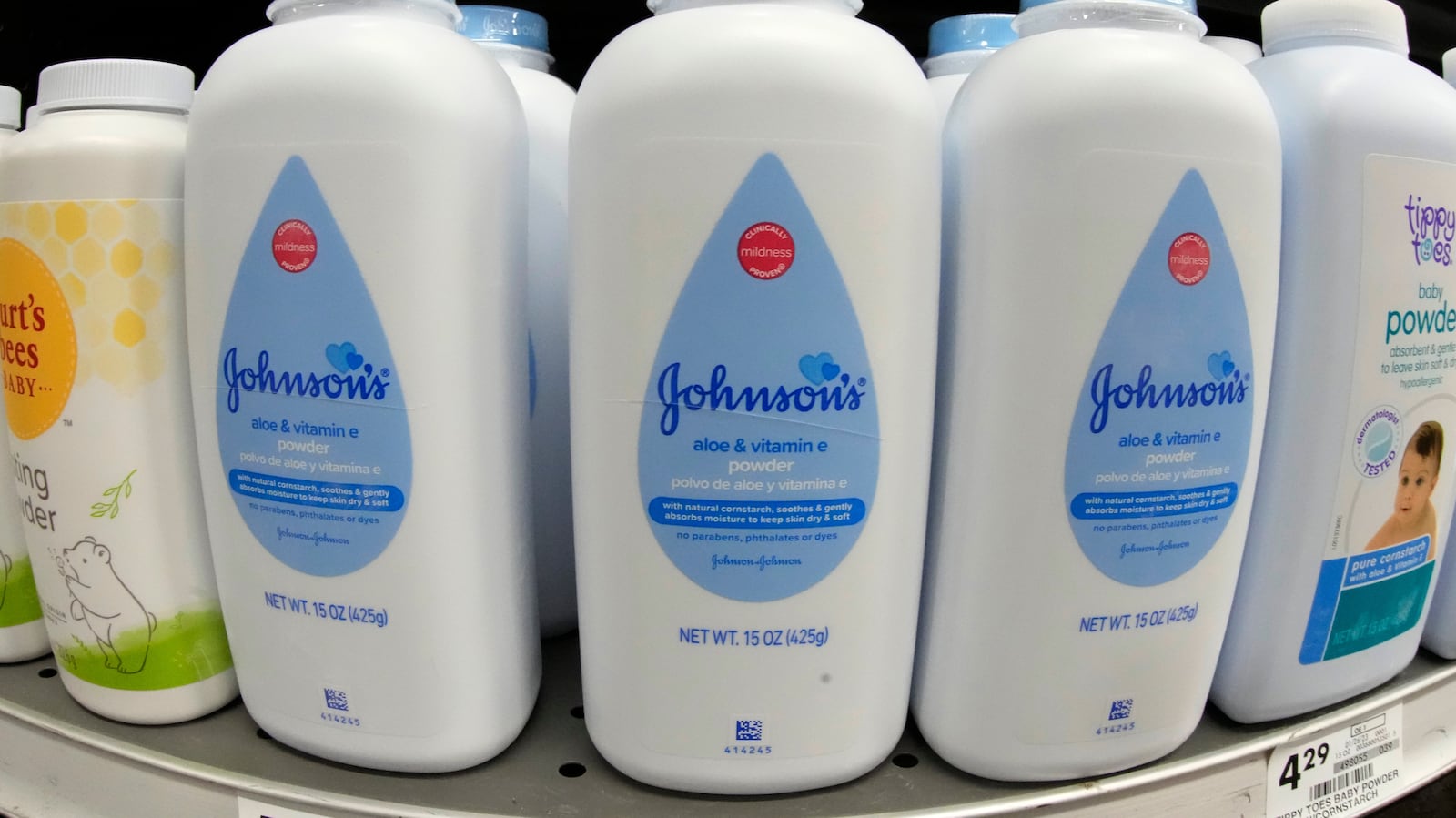
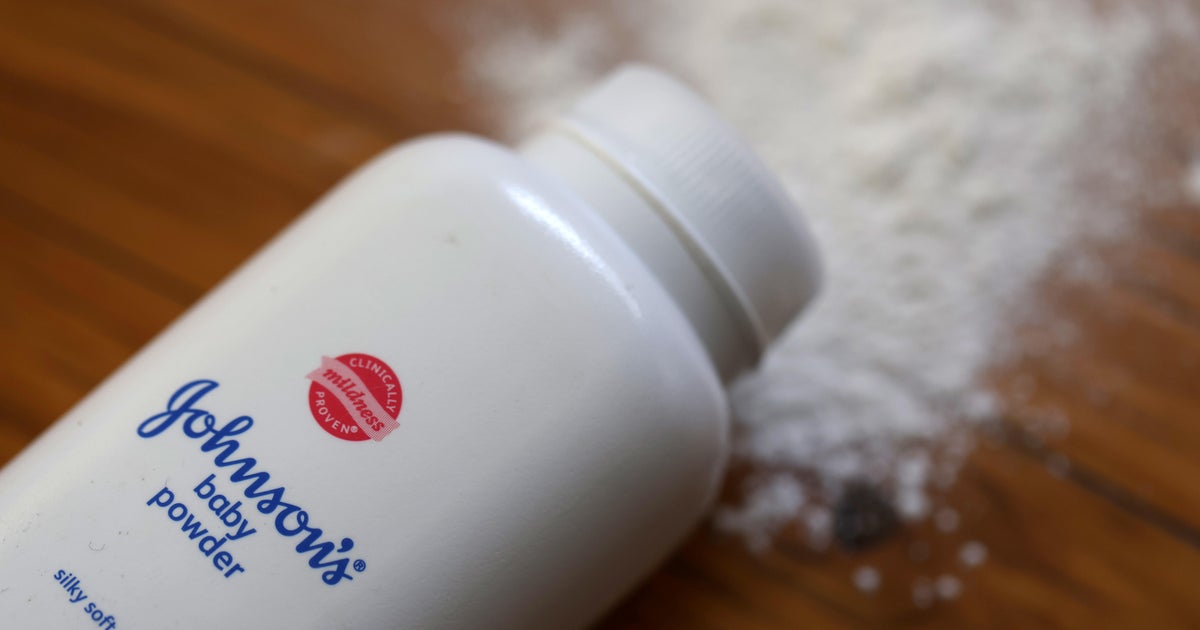
Plaintiffs have alleged that J&J’s talcum powder products, particularly the flagship Johnson’s Baby Powder, contained asbestos contamination, which they claim caused ovarian cancer and other cancers. J&J has repeatedly denied that its talc products caused cancer and stated that talc never contained asbestos. The company stopped selling talc-based baby powder in the United States and Canada in 2020 and halted worldwide sales of the product in 2023.
The company has previously settled most of the cases alleging that its talc contained asbestos and caused mesothelioma, a fatal cancer linked to asbestos exposure. J&J also faces a separate lawsuit in the United Kingdom over similar claims filed in 2025, with compensation claims estimated to exceed 1 billion pounds.
In June 2026, J&J disclosed that it had set aside $11 billion to settle legal matters around talc litigation. The new settlement proposal is expected to significantly reduce that reserve.
The resolution represents an effort by J&J to move past one of the most significant mass tort cases in American corporate history, one that has repeatedly dominated headlines and affected the company’s litigation resources and public perception. The settlement still requires final approval from the federal judge overseeing the litigation and the 95 percent acceptance threshold from participating claimants.