

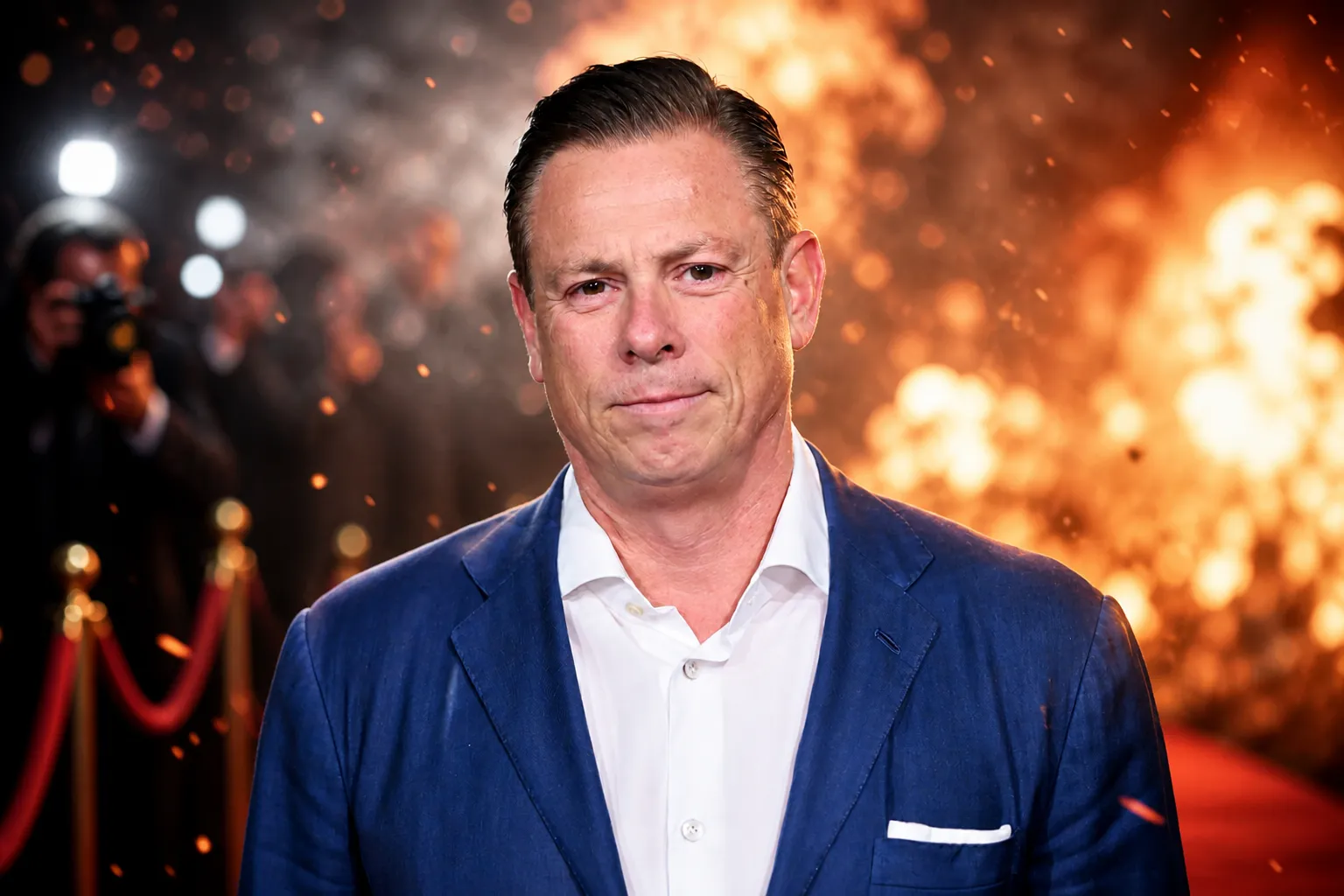
Jason Cloth, 60, of Beverly Hills, was arrested Tuesday in Los Angeles on seven counts of wire fraud in an indictment unsealed in Chicago federal court.
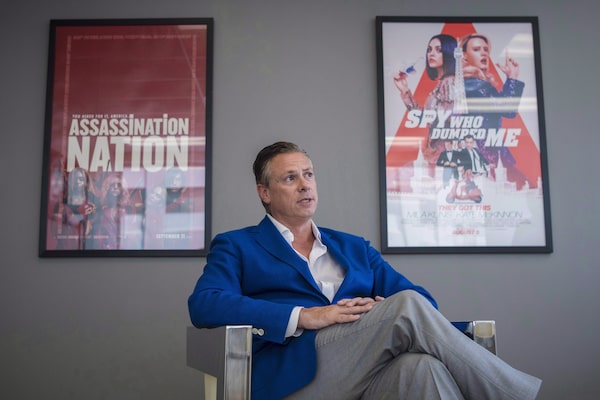
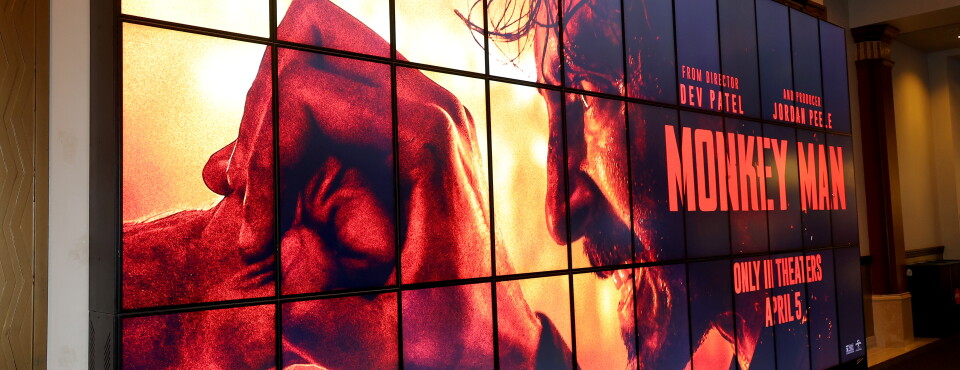
According to the indictment, Cloth operated Canadian-based Creative Wealth Media Finance Corp., and from 2019 to 2026, he solicited various clients, including an investment advisor in Illinois, to invest in purported film and entertainment projects or to fund a gaming entertainment investment platform, fraudulently obtaining more than $100 million from them based on false representations about investment performance and value.
Cloth knew at the time of the investments that he would use the money for other purposes, including the development of a real estate project in Canada.
The producer, whose financing company backed box-office hits like “Joker,” has faced a cascade of fraud allegations over the past two years.
Cloth was hit with a $19.6 million verdict last year after failing to appear at a fraud trial in West Palm Beach, Florida, where a jury found that he defrauded an investor on “The Pathway,” a TNT dockseries about the NBA draft, out of $6.6 million.
The jury awarded $13 million in punitive damages.
Attorney David Jonelis, who represented the plaintiff in the Florida case, said: “He’s made a career of telling people whatever they want to hear in order to get what he wants.”
Cloth stepped away from his entertainment finance role last May.
Cloth served as co-head of C2 Motion Picture Group until his departure was announced shortly after the Florida jury verdict, as he fielded fraud allegations related to productions including Ghostbusters: Afterlife, Monkey Man and the NBA dockseries.
Investigators say Cloth ran schemes across multiple entities, repeatedly defrauding successive waves of investors.
Cook County residents filed a class action lawsuit against Cloth alleging he operated a Ponzi-style investment scheme that pays existing financiers with money collected from new ones.
Loftus said Cloth targeted wealthy North Shore residents with “Hollywood accounting” methods, noting that “with the movie funding investments, this doesn’t work in California, where people actually understand how movie finance works. So, what the movie finance con-men do is they reach out to the Midwest.”
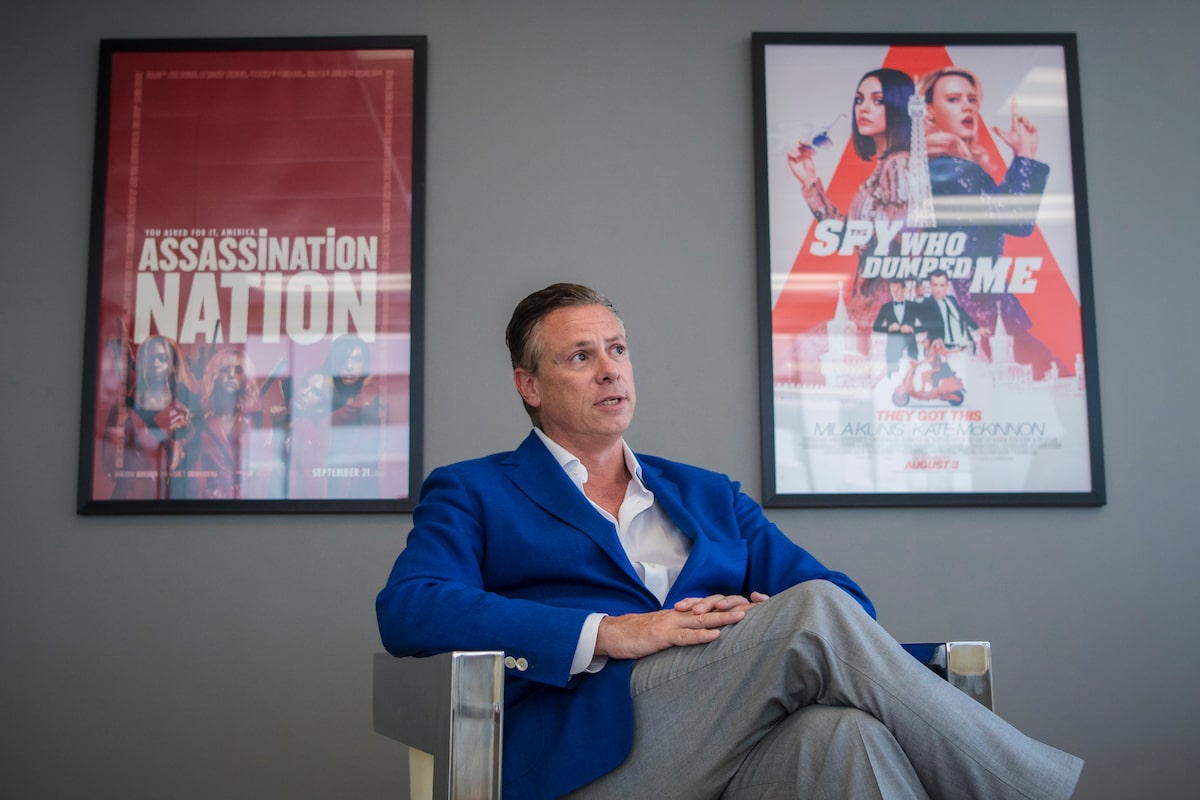
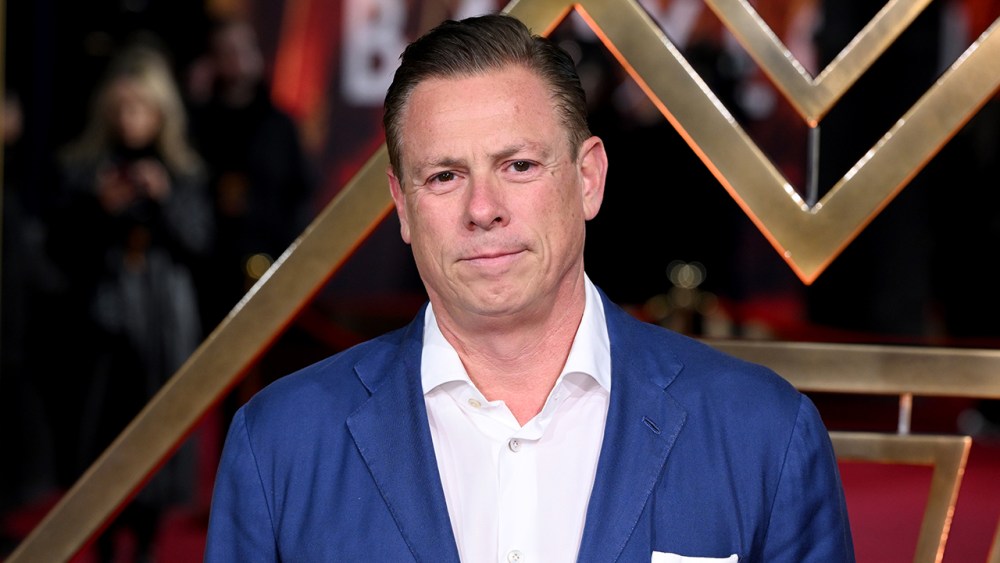
Cloth had claimed he made a deal with Netflix to acquire rights to “Monkey Man” for $34 million, but Universal ended up distributing that film instead, according to court filings.
Court documents detail the misrepresentations used to secure investor cash.
At the Florida trial, evidence showed Cloth had solicited the investment on “The Pathway” by claiming it had been greenlit for five seasons.
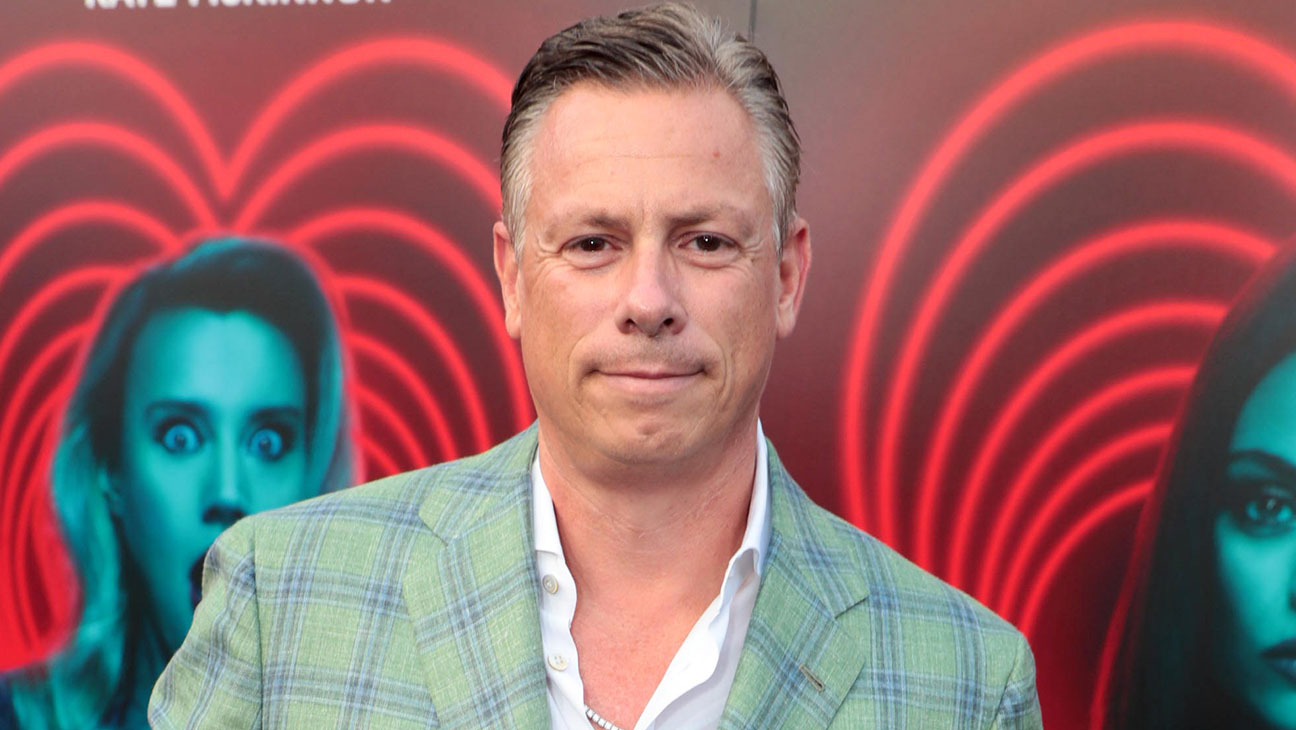
Harris alleged that he had not been repaid loans totaling $6 million for seven film projects, including “Monkey Man” and “Ghostbusters: Afterlife,” and sought $6.9 million including interest.
In the Chicago case, Cloth is accused of working with two salesmen to solicit investments in a series of film projects.
Last year, when facing financial pressure, Cloth offered explanations that would later become part of the pattern.
In earlier communications, Cloth indicated that the bankruptcy of his company, Creative Wealth Media Finance Corp., and its studio partner, Bron Studios, had left him in a “very difficult financial situation,” and he was not able to pay his lawyers.
He also sought a delay in the trial, noting that he would be at the Cannes Film Festival, where he was selling three films.
In an email to Variety on Friday, he said it was “a very trying time for me.”
The Ontario Securities Commission brought its own proceedings against Cloth years earlier.
The OSC alleged Cloth and Creative Wealth raised over $500 million from investors across Ontario, Canada and the U.S., by holding themselves out as providing loans to film, television and animation producers, but diverted at least $70 million of investor funds for unauthorized uses, including to a real estate development and other projects, as well as repaying existing investors.
Cloth’s film finance company filed for bankruptcy after operating for nearly a decade.
Creative Wealth eventually collapsed into bankruptcy.
The company listed roughly over $100 million in liabilities.
Chicago attorney Alex Loftus spoke publicly about victims who said they’d lost tens of millions to Cloth’s false promises about major film investments. Cloth allegedly claimed their tens of millions were going to bankroll big name films including “Joker,” “Babylon” and an upcoming “Mission Impossible,” Loftus told reporters: “He took money promising to do one thing with it, and he didn’t do that and took and kept the money.” The ABC7 I-Team’s reporting in March 2024 sparked federal interest, with Loftus saying the case gained the attention of federal authorities, who contacted him the day after the initial report aired, noting “there’s an ongoing federal investigation, and it came right on the heels of ABC’s reporting on this.”
Federal prosecutors are pursuing maximum penalties under wire fraud statutes.
Each count of wire fraud is punishable by up to 20 years in federal prison.
Cloth made his initial court appearance Tuesday in U.S. District Court in Los Angeles.